

The Complete Beginner’s Guide to Raising Backyard Ducks — From Zero to Full Flock
The first morning after your ducks arrive, you will stand at the edge of their enclosure with your coffee and watch them do something — anything, it does not matter what — and you will feel a specific, quiet satisfaction that is difficult to describe to people who have not experienced it. The small flock is moving through their space. The sounds they make. The way they investigate their water with an enthusiasm that suggests this is the greatest water they have ever encountered.
Ducks are not chickens. They require a different setup, a different daily routine, a different relationship with water, and a different understanding of what backyard poultry keeping means. But the people who keep them are, without exception, evangelical about the choice. And this guide gives you everything you need to understand why — and to start correctly.
Why Ducks Instead of (or Alongside) Chickens?
This is the first question, and it deserves a direct answer.
Free Backyard Flock Checklist
Planning the rest of your flock setup?
Turn your coop-size estimate into a complete setup plan with our free equipment and preparation checklist.
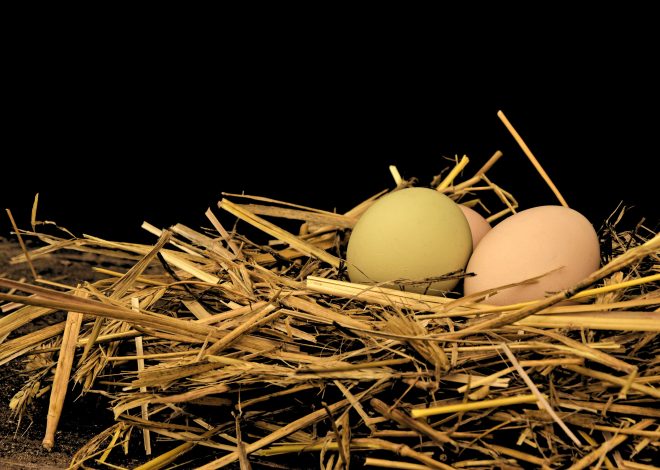
Ducks are superior egg layers in many respects. Duck eggs are larger than chicken eggs, richer in flavor, higher in omega-3 fatty acids, and contain a larger yolk-to-white ratio that makes them the preferred choice for baking. Duck eggs are larger than chicken eggs and are known for their rich flavor. A good home will ensure good egg production. Other benefits of owning ducks can include lawn maintenance and pest control.
Ducks are significantly more cold-hardy than most chicken breeds. Their thick down insulation, their ability to thermoregulate in ways chickens cannot, and their general robustness mean that winter egg production from ducks is often more consistent than from chickens in cold climates.
Ducks are natural pest controllers. They consume slugs, snails, and insects with an enthusiasm that is genuinely useful in a garden context — and unlike chickens, they are less likely to scratch up garden beds in the process. They process forage differently, treading lightly enough that gardens and ducks can coexist productively with proper management.
And ducks are, in the honest assessment of everyone who keeps them, more entertaining than almost any other backyard animal. Their personalities are distinct, their social dynamics are fascinating, and their relationship with water — the diving, the splashing, the frenzied play that happens several times daily — provides a level of daily spectacle that chickens simply cannot match.
Step 1: Choose Your Breed
Not all ducks are the same animal in different packaging. Breed selection meaningfully affects egg production, size, temperament, noise level, foraging behavior, and suitability for your specific setup. Here are the breeds that are most consistently recommended for backyard beginners:
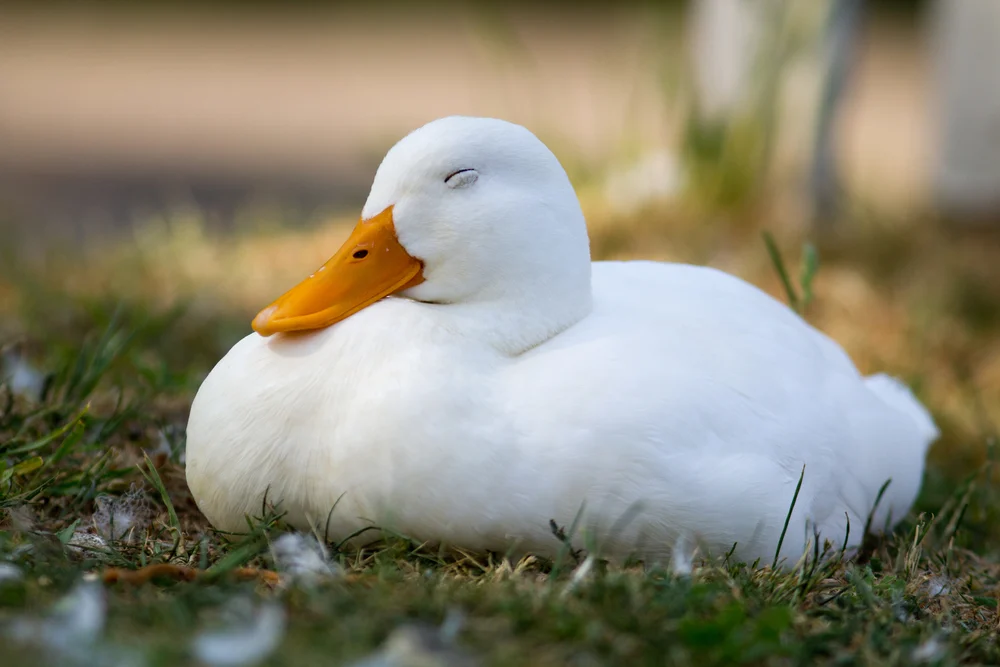
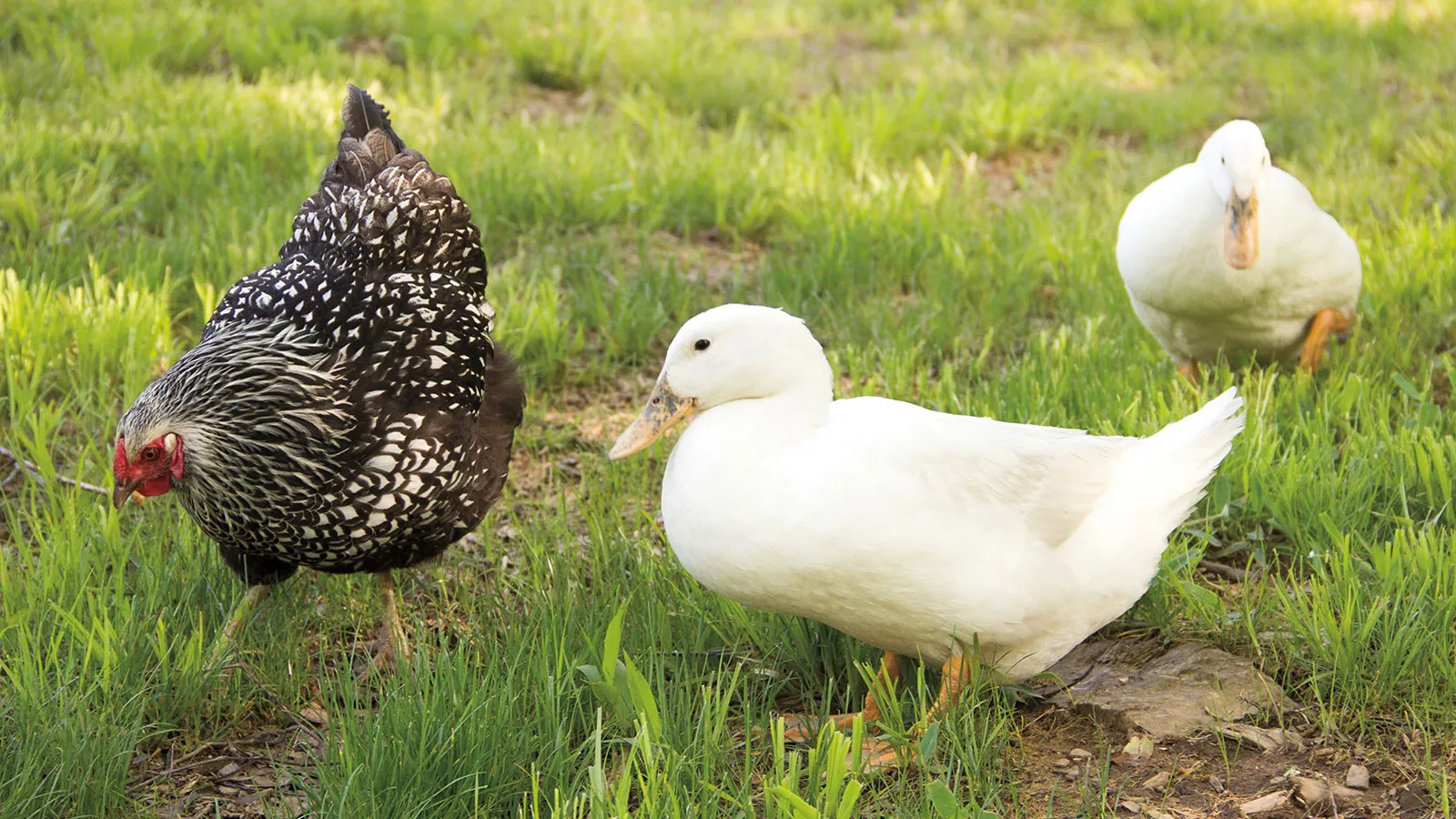
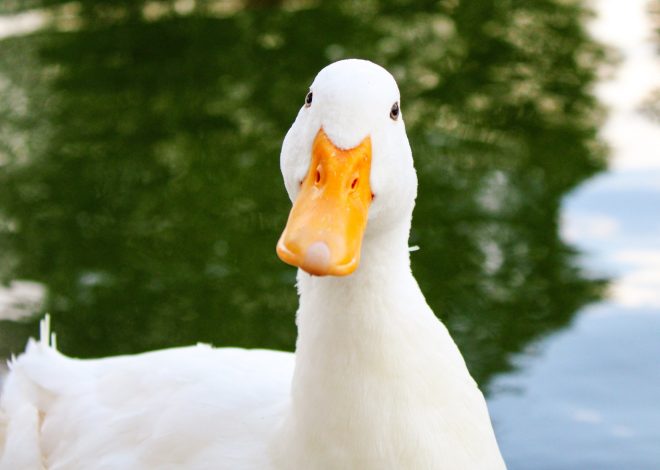
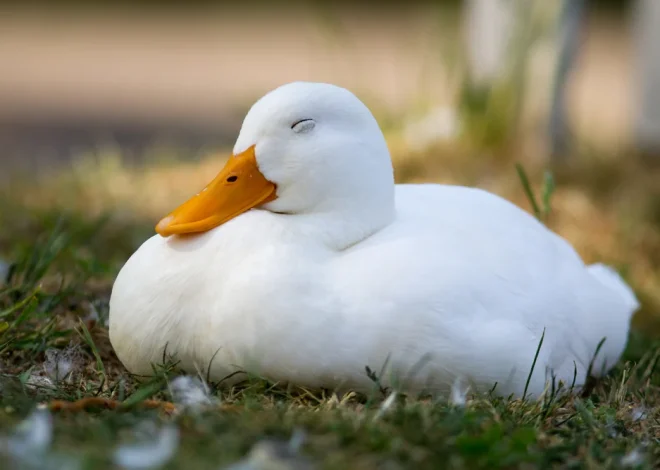
Pekin: The most popular backyard duck in the United States and the most recognizable — large, white, yellow-billed, immediately iconic. Pekin ducklings grow much faster than Mallards, and the full-grown Pekin ducks will be more than twice as heavy as full-grown Mallards. They are calm, friendly, excellent layers of large white eggs, and adapt well to a variety of setups. Their size makes them somewhat less agile and more vulnerable to overheating in very warm climates.
Khaki Campbell: The egg-production champion of the domestic duck world. Khaki Campbells lay 250 to 340 eggs per year — comparable to the best laying hen breeds — in a smaller, more athletic package than the Pekin. They are active and alert, which can make them slightly more flighty but also excellent foragers.
Welsh Harlequin: A remarkable heritage breed revered for its personalities, beauty, and egg production. Welsh Harlequins are calm, beautiful, excellent layers, and one of the best choices for a mixed flock that needs to be both productive and visually striking.
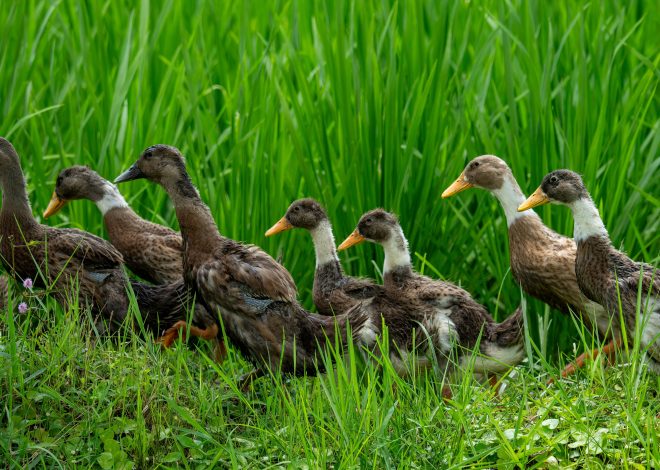
Indian Runner: The eccentric of the domestic duck world — they stand nearly upright rather than adopting the typical horizontal body posture, giving them the appearance of a penguin in a hurry. They are excellent layers, excellent foragers, and possessed of such an unusual appearance that their presence in a backyard is immediately and permanently entertaining.
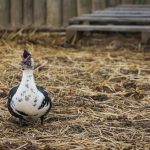
Muscovy: Not technically a true duck but a separate species that is commonly kept alongside domestic ducks. Muscovies are larger, quieter (they hiss rather than quack), excellent fliers if not pinioned, and very effective foragers. They are the best choice for someone who wants maximum meat production from their duck flock.
For most beginners: Start with Pekins or Welsh Harlequins. Both are calm, manageable, excellent layers, and available from most hatcheries. Once you understand the rhythm of duck keeping, adding additional breeds becomes a natural next step.
Step 2: Decide Between Ducklings or Started Ducks
Ducklings: Purchased at 1 to 7 days old, requiring a brooder setup with a heat source for the first 4 to 6 weeks of their lives. They are deeply endearing, allow you to establish comfort with humans from the earliest possible point, and are typically less expensive than older birds. They will not lay eggs for 4 to 7 months, depending on breed.
Started ducklings (4–8 weeks): Have passed the most fragile early stage, no longer require supplemental heat, and are significantly more robust than newly hatched birds. They still require time before laying.
Point of lay ducks: 16 to 28 weeks old and approaching or beginning egg production. More expensive, less accustomed to human interaction, but provides results faster. For someone who wants eggs as quickly as possible, this is the practical choice.
For most beginners: Start with ducklings. The process of raising them from the early weeks establishes the flock’s comfort with humans and provides the full duck-keeping experience from its earliest stages.
Step 3: Set Up the Brooder
Young ducklings usually need a brooder with a safe heat source until they are well feathered, but the duration depends on age, room temperature, weather, and the birds’ behavior.
Key brooder requirements include a securely installed brooder plate or other equipment rated for the space, a warm zone and a cooler escape zone, dry non-slip bedding, and a stable waterer deep enough for bill dipping but designed to prevent climbing or drowning. Use an age-appropriate waterfowl starter when available. If using chick starter, confirm its medication and niacin suitability with the feed label, manufacturer, veterinarian, or extension specialist rather than assuming every medicated or non-medicated formula is appropriate.
The critical difference between brooding ducklings and chicks: ducks are extraordinarily messy with water. They will soak their bedding multiple times per day through normal waterer use. Plan to change bedding far more frequently than you would for chicks, and position the waterer away from the heat source and feeding area to manage the moisture spread.
Step 4: Build the Duck Coop Before the Ducks Arrive
This is non-negotiable. If you’re going to raise ducks responsibly, it’s critically important that you construct a well-built, predator-proof duck coop BEFORE you get ducks. Without secure nighttime housing, the flock faces avoidable predator and weather risks.
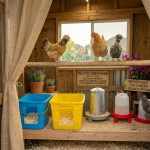
The duck coop is where your flock sleeps at night and shelters from extreme weather. It does not need to be elaborate — but it should be predator-resistant, appropriately sized, well ventilated, dry, and easy to clean. Space recommendations are starting points; breed size, climate, time outdoors, flock behavior, and local welfare guidance also matter.
Key differences from a chicken coop: ducks do not roost — they sleep on the ground in bedding, so elevated roost bars are unnecessary. Nesting boxes should be at ground level or very low rather than elevated. Ventilation requirements are higher because ducks produce significantly more moisture than chickens. Ramps should be gradual and have good grip surfaces because ducks’ webbed feet make steep ramps difficult to navigate.
Step 5: Understand the Water Situation
Water is the defining feature of duck keeping. It is what makes ducks ducks, and it is the element that creates the most management work relative to chicken keeping. You need to understand it before you get your first bird.
Ducks need clean drinking water deep enough to submerge the bill and clear the nostrils. A safely designed bathing container supports preening and enrichment, while a larger swimming setup is optional only if it can be kept clean, entered and exited safely, and drained without saturating the housing.
Our ducks probably spend 4 to 6 hours per day in their pool in the summer and 3 to 4 hours per day in the winter. At least once per day, they’ll go into a frenzied play mode where they start diving and swimming underwater.
The water management challenge: all of this water use makes the area around duck water sources wet, muddy, and significantly messier than the area around chicken waterers. The most important infrastructure decision in any duck enclosure is where the water sources are positioned and how water and waste are drained away from the living area.
Step 6: Feeding Your Flock
Base the diet on a complete, age-appropriate waterfowl feed or a poultry feed specifically confirmed to meet ducks’ needs. Treats and forage are optional additions, not substitutes for the formulated ration.
Use layer feed only for actively laying adult females; ducklings, growers, drakes, and non-laying birds may need a different formulation. Provide clean water beside feed at all times so birds can drink while eating.
Offer treats in small portions so they do not unbalance the diet. Avoid avocado, moldy or spoiled food, heavily salted or seasoned scraps, and anything the feed manufacturer or veterinarian identifies as unsafe.
Ducks eating whole grains, fibrous greens, or other foods beyond a complete pellet may need appropriately sized insoluble grit. Follow age-specific feed guidance; grit does not replace calcium or a balanced ration.
What Nobody Tells You Before You Get Ducks
Ducks are loud. The female duck’s quack is one of the most carrying sounds in the animal world, and a flock of several hens will exercise this capability regularly. Muscovies and male ducks of most breeds are significantly quieter — a consideration worth making before selecting breed and sex composition.
Ducks are wet and messy in a way that surprises almost every new keeper. The combination of their water use and the volume of waste they produce means that a duck enclosure requires more active management than a chicken setup of the same size.
Ducks are social and strongly resist being kept alone. Ducks are social and should not be kept alone as a normal arrangement. Plan a compatible group that local rules, space, and care capacity can support, along with a contingency if a companion is lost.
Ducks are more difficult to herd than chickens and will not reliably put themselves to bed at dusk in the way that chickens do. Developing a routine — a specific food call, a particular routine that conditions the flock to return to the coop at closing time — takes patience but produces reliable results within a few weeks.
Ducks will not always go into the coop when you want them to. Build your enclosure so that when the door is open, it creates a natural herding corridor — this allows you to guide them in if needed. Otherwise, you might be circling the coop for hours.
Prepare the Whole System Before Ducks Arrive
Ducks are not the easiest backyard animal. They are the most interesting, the most entertaining, the most genuinely surprising, and — for the people who commit to understanding them — among the most rewarding farm animals available to a backyard keeper of any scale.
The learning curve is real. The water management is real. The daily routine is non-negotiable. And the reward — the eggs, the pest control, the entertainment, the specific satisfaction of watching a well-cared-for flock thriving in a setup you built for them — is entirely, unreservedly worth it.
Before committing, confirm local rules, identify a poultry-experienced veterinarian, and price the housing, feed, bedding, water use, and daily labor for the flock’s full lifespan.
Sources and further reading
- Cornell Duck Research Laboratory: Duck housing and management
- Cornell Duck Research Laboratory: Duck nutrition
- NC State Extension: Feeding ducks
Continue Exploring Your Backyard Flock
Use these closely related guides to plan your next steps:
- Surprising Things That Happen When You Get Backyard Ducks
- Best Duck Breeds for Beginners
- Everything You Need to Know About the Bali Duck
For the next stage of flock care, see our guides to duck eggs and laying and the most common duck-raising mistakes.
14 thoughts on “The Complete Beginner’s Guide to Raising Backyard Ducks — From Zero to Full Flock”
Comments are closed.