


How to Help Chickens Feel Safer Around You: 8 Gentle Steps
Some backyard chickens approach people readily; others keep their distance or retreat when someone enters the run. Neither response makes a bird defective or the keeper unsuccessful.
Genetics, breed tendencies, early experience, individual temperament, health, and current handling all influence fear and approach behavior. Calm, consistent routines can help many birds feel safer, but the goal is low-stress care—not forcing every hen to enjoy being touched or held.
The Chicken’s Relationship With Trust
Free Backyard Flock Checklist
Planning the rest of your flock setup?
Turn your coop-size estimate into a complete setup plan with our free equipment and preparation checklist.
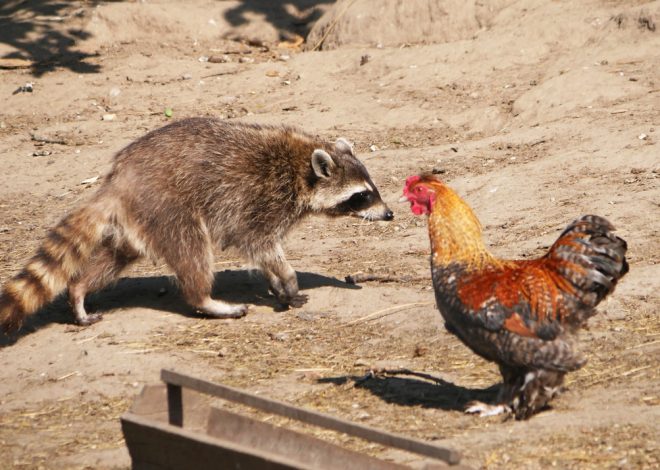
Chickens are prey animals. Their baseline state is vigilance. Every large moving object that enters their environment is, by default, a potential predator until proven otherwise through consistent, positive experience. You are, initially, a large moving object.
The proving process is entirely behavioral — it cannot be explained, negotiated, or reasoned. It can only be demonstrated through action, repeated consistently enough that the accumulated evidence of your safety outweighs the instinct.
Chickens can learn routines and recognize familiar cues and people. Look for reduced avoidance and normal behaviors such as feeding, preening, exploring, and resting in your presence. Those signs suggest increasing comfort, but they do not prove a specific internal emotional state.
Step 1: Daily Presence — The Non-Interactive Foundation
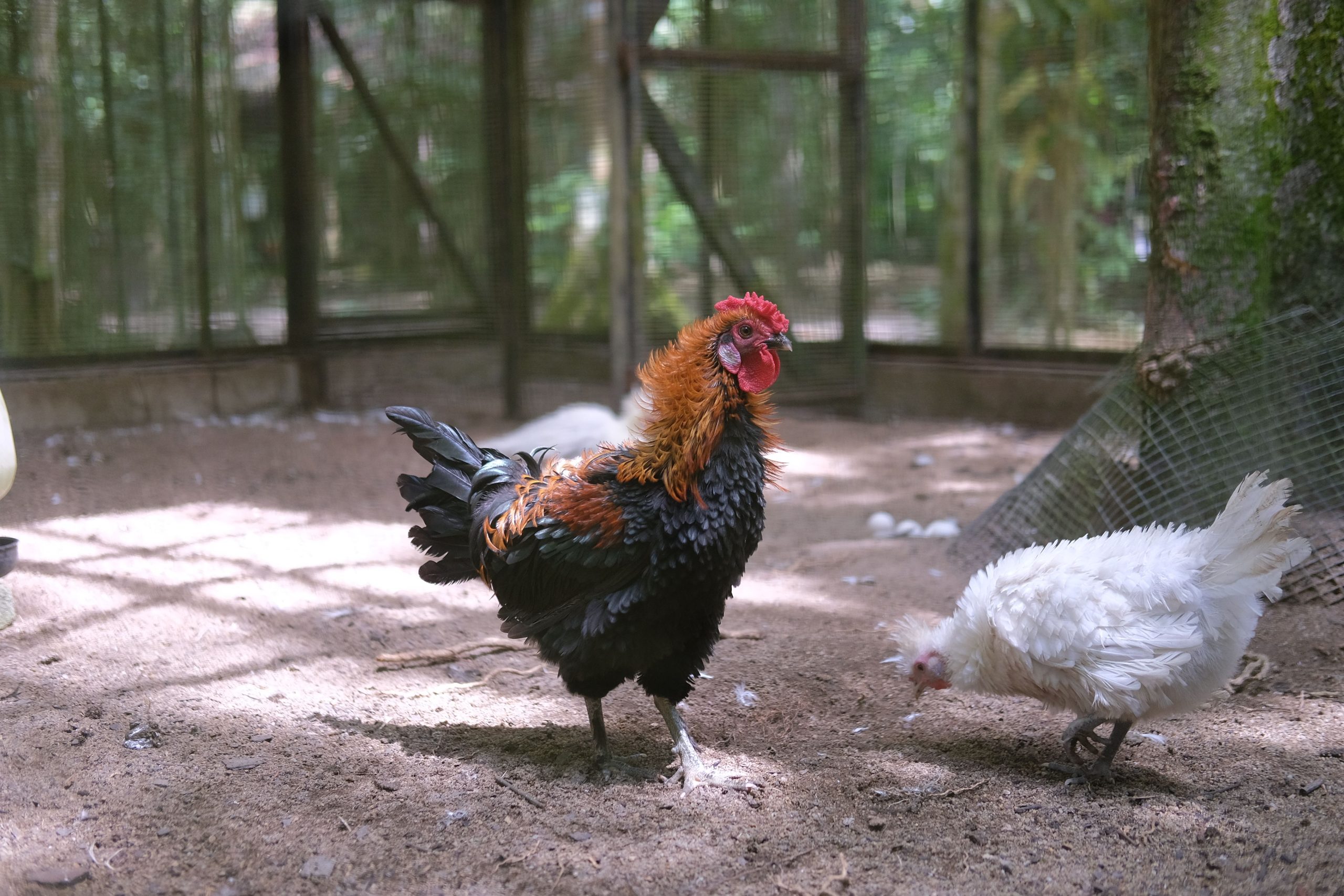
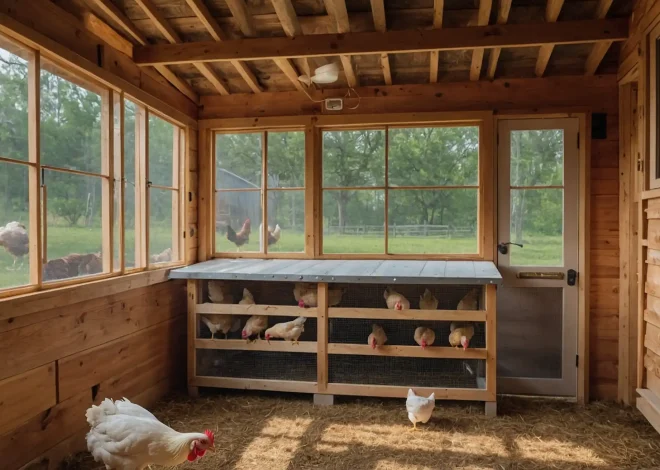
Before treats, before touch, before any active trust-building effort: spend time in the enclosure every day doing nothing specific. Sit on a bucket, a stool, or on the ground. Move slowly. Make quiet, low sounds rather than sudden noise. Do not chase any bird. Do not attempt to pick anyone up.
Begin with short, quiet visits and preserve an open escape route. Sit outside the enclosure if entering it causes panic. Progress may take days, weeks, or longer, and retreat distance will not decrease on a fixed schedule.
Step 2: Establish a Sound Signal
Pair one consistent call or container sound with the normal arrival of feed or a very small treat. Over time, many chickens learn to approach that cue.
Practice only inside a secure area before relying on recall during supervised ranging. A cue is a useful management aid, not a guarantee that frightened, distracted, or threatened birds will return.
Step 3: Scatter Treats From Your Position
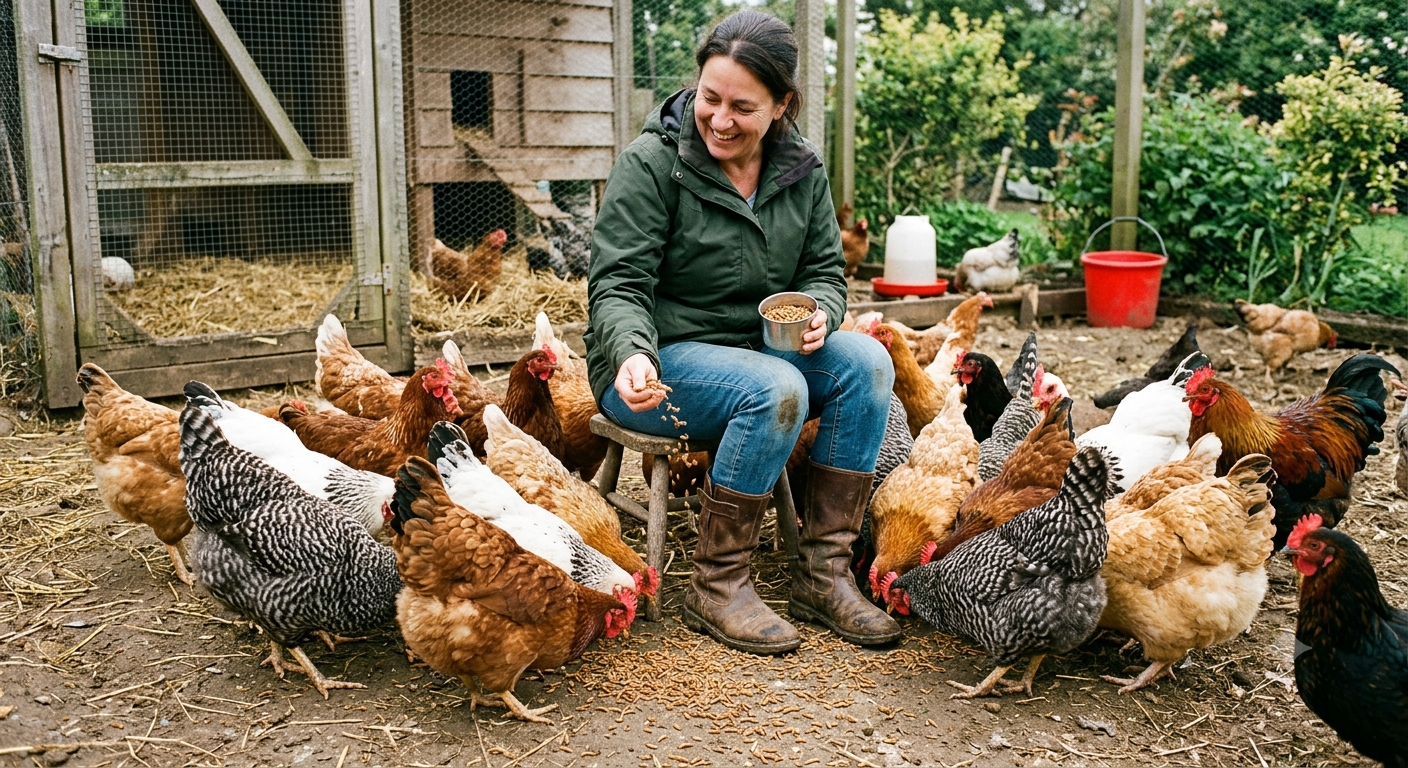
Sit calmly and toss a small amount of a safe treat onto a clean, dry surface at the birds’ current comfort distance. Gradually place later portions nearer only when the birds approach without crowding or panic.
Do not withhold the regular ration to create motivation, and do not place food so close that a hungry bird must choose between fear and eating. Mealworms are one possible treat, not a universally superior training tool; use whatever safe, modest reward suits the flock.
Step 4: From Scatter to Hand
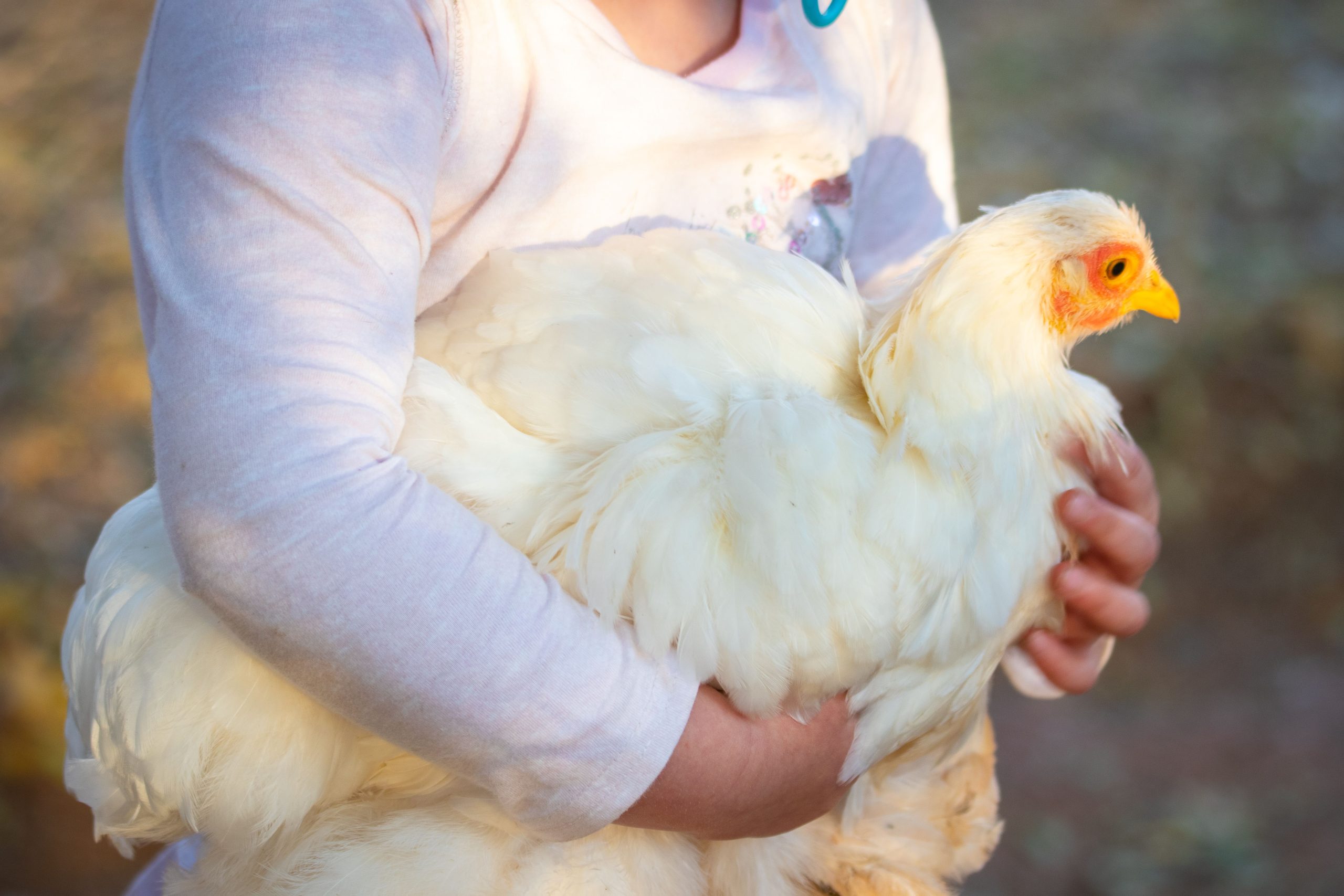
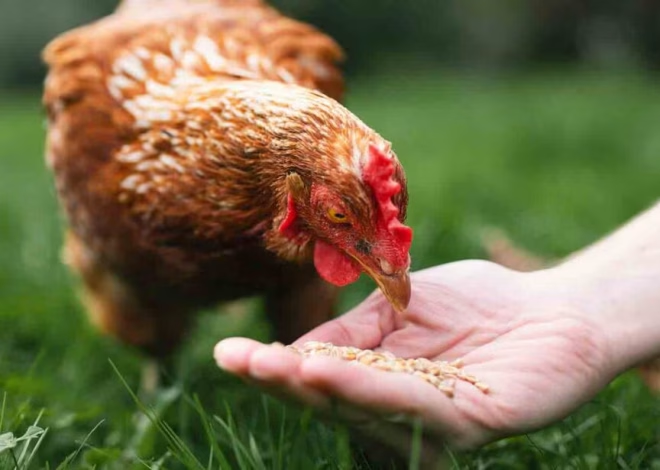
Hand-feeding is optional. A small cup or shallow dish near you provides the same association without exposing fingers to hard pecks. If using an open palm, keep fingers together, supervise children closely, and stop if birds become competitive.
Let each bird approach and leave freely. There is no need to raise the hand toward waist or shoulder height; keep food at a stable, comfortable level that does not encourage jumping, crowding, or falls. Wash hands with soap and water after touching poultry, feed, or their environment.
Step 5: Introducing Touch
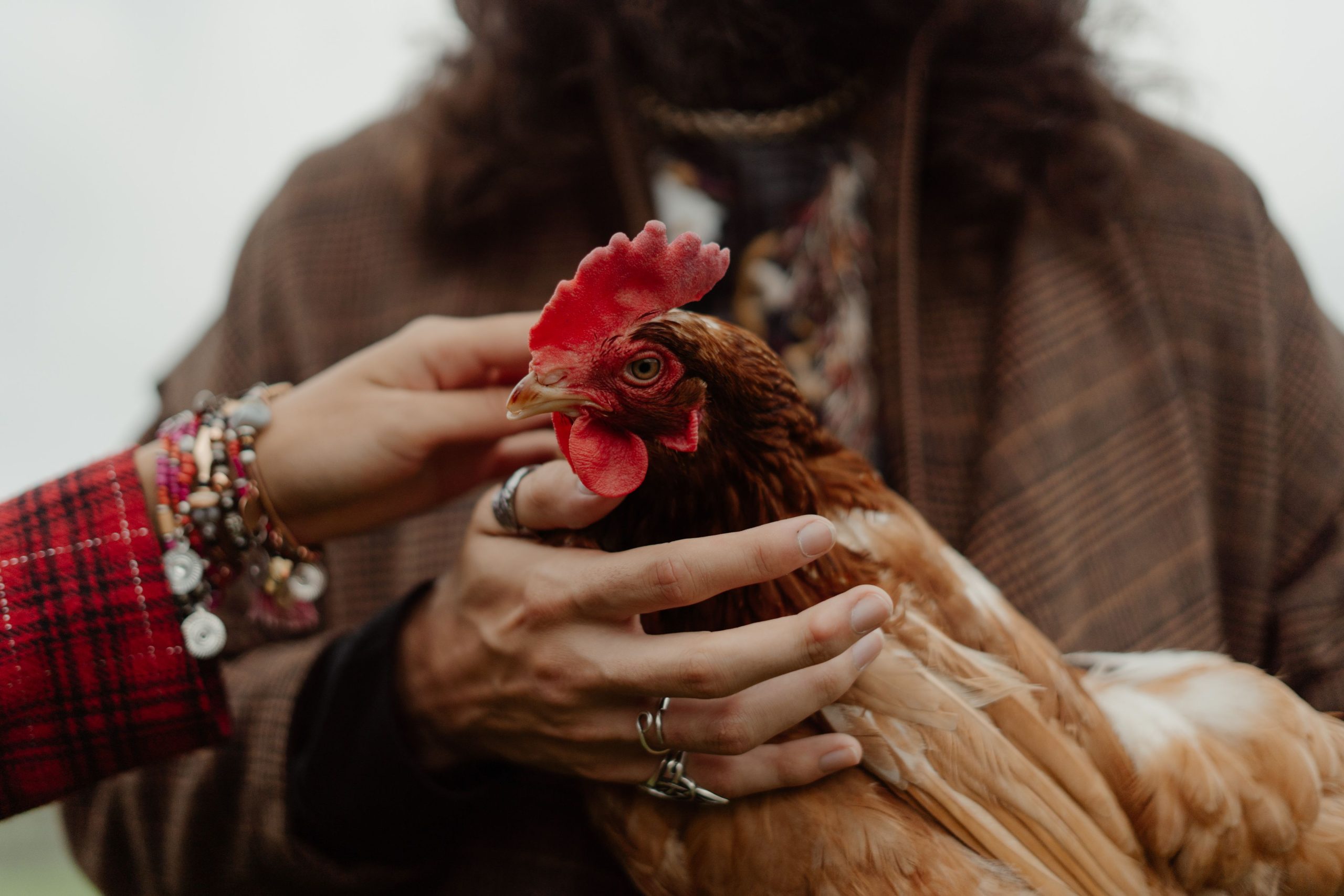
Do not surprise a bird with touch while food holds her attention. First let her see the hand and briefly touch the side or breast only if she remains relaxed. Stop when she steps away, crouches rigidly, freezes, vocalizes, flaps, or shows other avoidance.
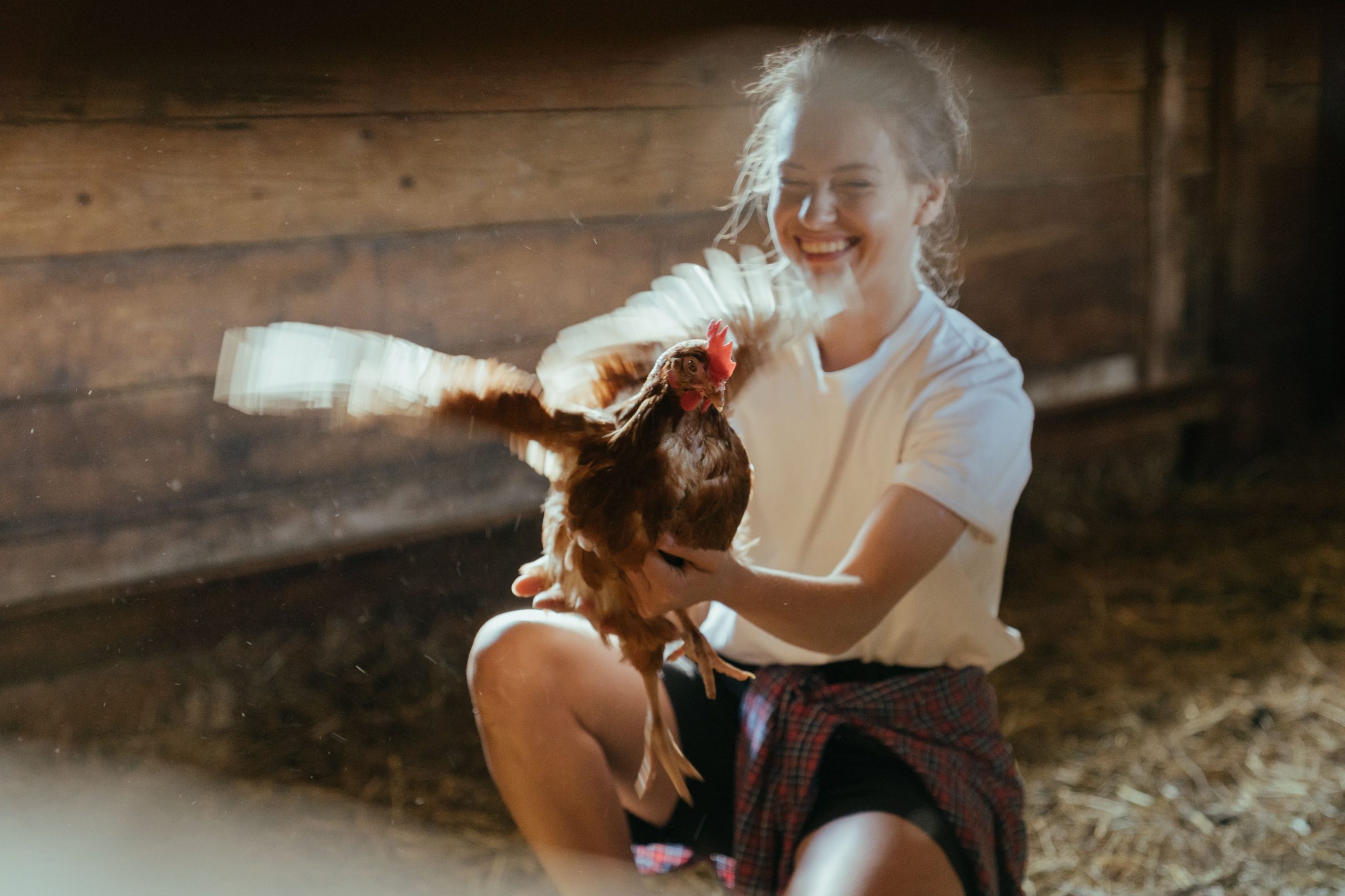
When handling is necessary: Approach calmly, secure the wings close to the body, support the breast and feet, and keep the bird upright. Use the least restraint needed and release her into a safe area if struggling escalates. Never chase repeatedly, carry a chicken by the wings or legs, or “persist” until she stops resisting.
Step 6: Daily Handling for Young Birds
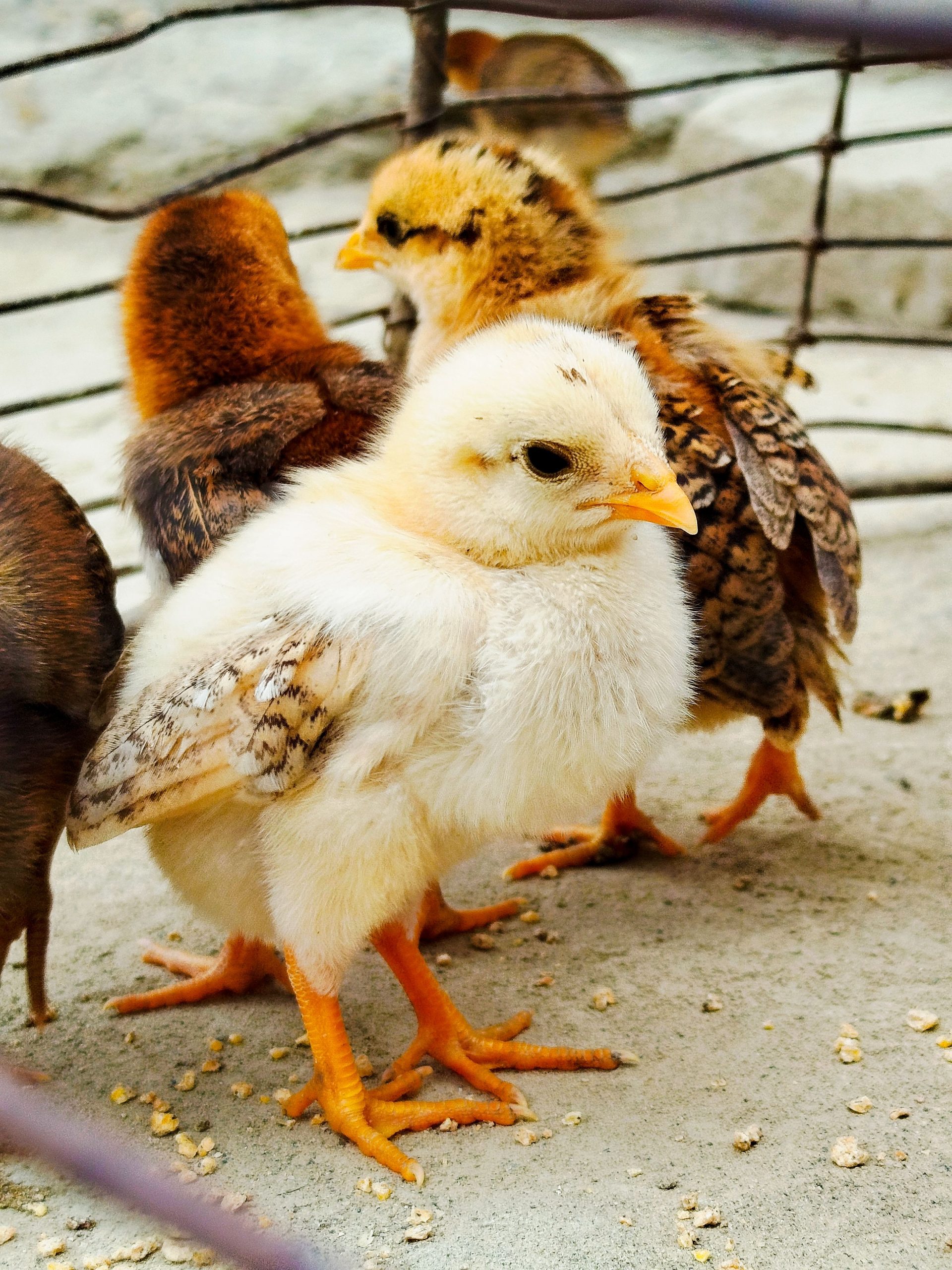
Young birds can become familiar with calm caretaking, but handling should never compromise brooder warmth, rest, hygiene, or safety. Begin with quiet presence and necessary care; add very brief, gentle contact only when chicks are warm, healthy, and not showing distress.
Support the whole body, keep sessions short, and return the chick promptly to the correct brooder temperature. Early handling does not guarantee an adult bird that enjoys being held, and young children require close supervision.
Step 7: Breed Selection Matters
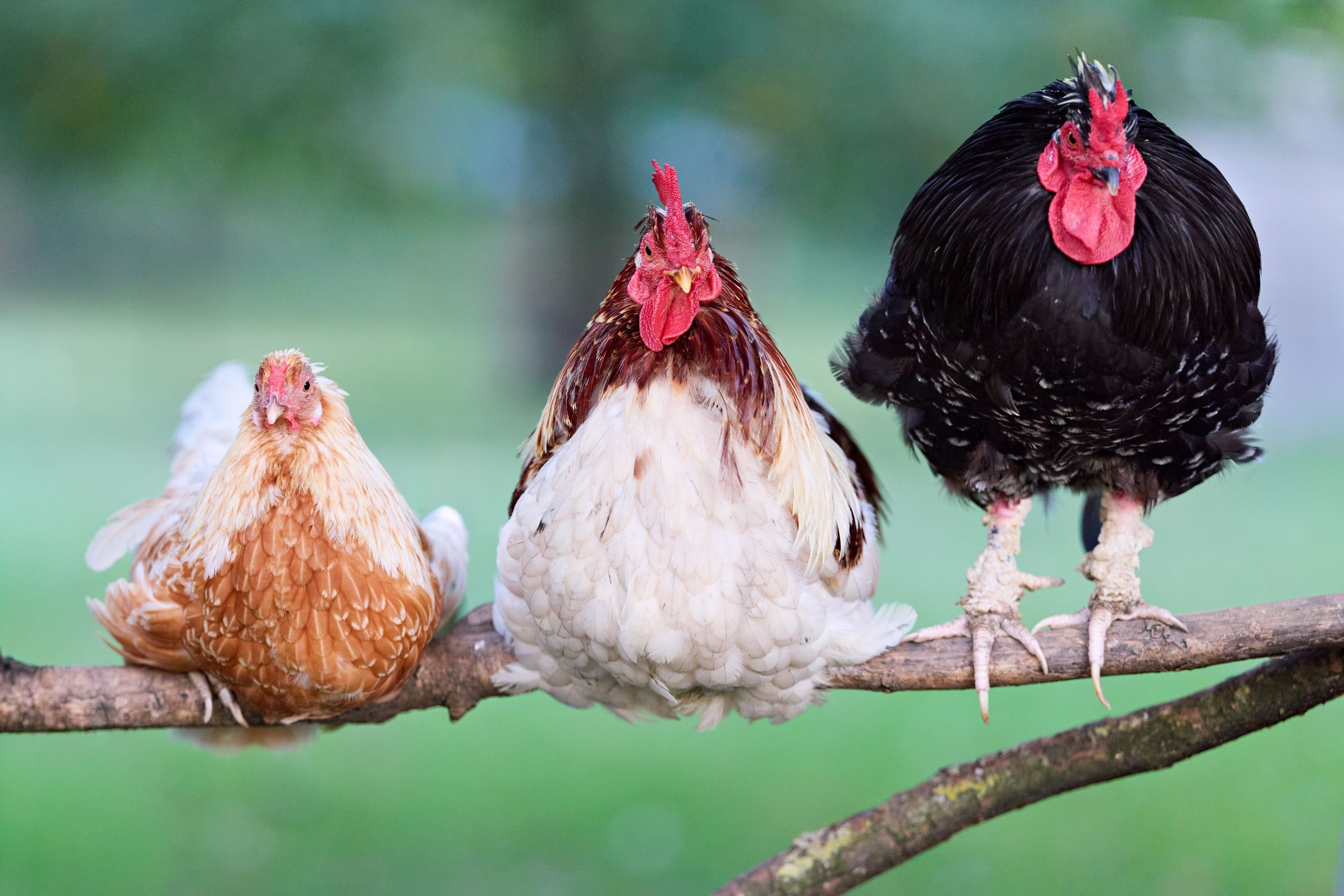
Breed lines can differ in average activity and reactivity, but individuals within the same breed vary widely. Silkies, Orpingtons, and Plymouth Rocks are often described as calm, while some lighter laying strains are described as more alert; none of these labels predicts a particular bird’s comfort with people.
Choose birds primarily for health, climate suitability, flock compatibility, and responsible sourcing. Early experience and current handling matter alongside genetics, and a bird that prefers distance can still be easy to manage without becoming cuddly.
Step 8: What Trust Actually Looks Like
Increasing comfort may look like a shorter retreat distance, voluntary approach, normal feeding or preening nearby, or easier necessary handling. Evaluate the whole posture: a motionless bird may be calm, freezing with fear, or unwell.
Not every comfortable chicken seeks touch, and settling within a particular number of seconds is not a trust test. Behavior can change after illness, a predator scare, flock disruption, travel, or a break in routine, so return to an easier step when needed.
Low-stress familiarity can make routine observation and necessary handling easier. Work at the pace of the most cautious bird, keep sessions short, and value calm coexistence even when a hen never chooses close contact.
Sources and Further Reading
- RSPCA: Keeping Chickens as Pets
- Merck Veterinary Manual: Physical Examination and Safe Restraint of Backyard Poultry
- CDC: Backyard Poultry and Hand Hygiene
Continue Exploring Your Backyard Flock
Use these closely related guides to plan your next steps:
One thought on “How to Help Chickens Feel Safer Around You: 8 Gentle Steps”
Comments are closed.