

Raccoons Keep Getting In? Build This 8-Layer Defense for a Safer Chicken Coop
A forced latch, bent mesh, disturbed soil, or feathers near the coop can reveal a predator attempt—or a devastating loss. Raccoons are skilled climbers with dexterous paws, so a coop needs more than one well-placed latch. This guide uses eight practical layers to reduce the chance of entry and make weaknesses easier to spot. No setup is completely predator-proof, but strong materials, secure closures, good sanitation, and consistent inspection can greatly lower risk.
Understanding What You Are Actually Dealing With
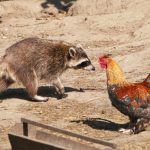
Before building your defense, understand your enemy. Raccoons are great climbers and can easily breach poorly secured coop areas. Once raccoons discover a food source like chickens, they will return and become persistent pests. Even if you manage to deter raccoons at the moment, they could continue to pose a threat in the future. Raccoon feces may also contain parasites and bacteria harmful to both humans and chickens.
Their climbing ability and dexterous front paws allow them to exploit loose edges, simple closures, and openings within reach. A layered plan matters because one missed weakness can undermine an otherwise solid enclosure.
Free Backyard Flock Checklist
Planning the rest of your flock setup?
Turn your coop-size estimate into a complete setup plan with our free equipment and preparation checklist.
Treat signs of probing as a reason to inspect the whole structure—not as proof that one specific animal will behave predictably. Local predators and pressure vary, and exclusion is more dependable than trying to outsmart or frighten wildlife.
Layer One — The Material Foundation: Hardware Cloth or Nothing
Raccoons will bully their way through chicken wire mesh. It is too flimsy with a loose weave pattern. I cannot stress this enough: chicken wire is not going to keep predators away.
Raccoons can tear through chicken wire with ease. Instead, use heavy-duty hardware cloth with a mesh size no larger than half an inch.
Chicken wire is designed primarily to contain poultry, not resist determined predators. For vulnerable windows, vents, and run panels, use sturdy welded hardware cloth with openings small enough to prevent a raccoon from reaching through—commonly 1/2 inch—and fasten it to sound framing with corrosion-resistant screws and washers or another secure fastening system. Inspect seams, corners, and fasteners regularly; material strength is only useful when every edge is firmly attached.
Layer Two — The Latch System: Locks That Raccoons Cannot Manipulate
Raccoons can learn how to open most types of latches, so you should lock the latches with a padlock. This should be done to all windows and doors, and the locks should be locked during the evening and night.
Simple hook-and-eye closures and unsecured barrel bolts can be manipulated or knocked open. Use a robust latch that cannot open from one push or pull, then secure it with a locking carabiner, clip, or padlock. Large doors may need upper and lower closures to prevent a predator from pulling a corner outward, but the goal is structural tightness—not an assumption about how many actions an animal can perform.
Layer Three — The Ground Defense: The Predator Apron
Raccoons dig. Not as their primary entry strategy — they prefer above-ground solutions — but when everything else fails, they will attempt to dig under the run perimeter. Ideally, bury hardware cloth a foot deep and bend it 90 degrees outwards to create an anti-digging ground barrier. If you lay the cloth down on the run as well, cover it with a deep layer of sand so the chickens can scratch without hitting the wire.
An outward-facing apron makes animals encounter mesh when they begin digging at the fence line. Attach it continuously to the enclosure base, overlap and secure seams, and cover or pin it so exposed edges cannot injure birds or people. A 12- to 18-inch apron is a common starting point, but soil, erosion, frost, and local predator pressure affect what is adequate. Reinspect it after storms, digging, landscaping, or ground movement.
Layer Four — The Automatic Pop Door: Your Single Best Investment
The moment your chickens are inside the coop at night and the pop door is closed, locked, and latched, a raccoon’s most accessible entry point is sealed. An automatic pop door opener — solar- or battery-powered — closes the pop door at dusk and opens it at dawn, regardless of whether you remember to do it manually. All chickens should be secured in their coop before nightfall every night. Raccoons are most active at night, and an open pop door is a direct invitation.
An automatic door can improve consistency, but batteries fail, tracks jam, sensors misread light, and a bird can remain outside. Choose a sturdy model whose closed door cannot be lifted or pried easily, test it regularly, and physically confirm every evening that all birds are inside and the door is fully closed.
Layer Five — Motion-Activated Deterrents: Disrupting Their Comfort
Raccoons prefer the cover of darkness, so motion-activated lights or sprinklers can scare them away. This eco-friendly solution adds an extra layer of protection.
Motion-activated lights or sprinklers may discourage some visits, especially when newly installed, but wildlife can become accustomed to predictable stimuli. Bright lighting can also disturb neighbors and nighttime wildlife, while sprinklers can create mud or ice.
Use deterrents only as a supplement to physical exclusion. Aim and maintain them responsibly, follow local rules, and never let a temporary device become the reason a weak door, vent, or fence remains unrepaired.
Layer Six — Feed Management: Remove Every Reason to Come Near
Raccoons prefer to live in areas that have easy access to water and food. You can reduce the chances of having raccoons near your chickens by not leaving anything out that could attract them. Move pet food dishes inside at night. Use secure trash cans and compost bins.
Unsecured feed, pet food, spilled grain, trash, fallen fruit, and accessible compost can attract wildlife. Clean spills promptly, store feed in tightly closed containers, bring pet food indoors, and use trash and compost lids that close securely. Keep feeders where wild animals cannot reach them and follow local wildlife-management guidance for other attractants.
Layer Seven — Remove Cover and Inspect the Approach
Skip ammonia-soaked rags, cayenne pepper, mothballs, and improvised chemical repellents around birds. They can expose poultry, pets, wildlife, and people to irritating or toxic substances, and scent-based methods do not secure an opening.
Instead, trim dense cover immediately beside the coop, remove climbable clutter, and use a trail camera when helpful to learn where animals approach. Do not handle raccoon feces bare-handed; keep children and pets away, and follow public-health guidance for safe cleanup because raccoon droppings can carry disease risks.
Layer Eight — The Nightly Perimeter Walk: The Human Layer That Closes Every Gap
Promptly repair any damage you find to ensure the security of your flock. Consider adding more reinforcements to your coop doors. Check for loose boards, bent hardware cloth, and probed latch areas.
The final layer in this system is the one that holds all the others together: a nightly 5-minute walk of the coop perimeter before going inside for the evening. Look for any hardware cloth that has been bent or pulled, any latch that is not fully closed, any new gap that has appeared in the run walls, and any evidence that something has been probing the exterior — scratch marks, disturbed soil at the base of the run, or droppings nearby. A raccoon that probed your coop last night and found a weakness in the hardware cloth is the same raccoon that will be back tonight to work on it further. Finding and repairing that weakness in the 24 hours between visits is the maintenance habit that makes every other layer function as designed.
Layered Protection Is Stronger Than Any Single Device
A strong enclosure combines securely fastened hardware cloth, well-fitted doors, protected latches, an intact digging barrier, controlled attractants, and a reliable nightly check. Deterrents and automatic equipment can help, but neither replaces physical security or inspection. If predation continues, contact your local wildlife agency or USDA Wildlife Services for location-specific guidance. USDA also provides practical advice on reducing wildlife access to feed and waste.
2 thoughts on “Raccoons Keep Getting In? Build This 8-Layer Defense for a Safer Chicken Coop”
Comments are closed.