
5 Common Duck-Raising Mistakes—and Safer Solutions
Ducks are genuinely wonderful backyard animals — they are personable, entertaining, excellent for pest control, and productive egg layers. They are also fundamentally different from every other backyard animal in ways that matter enormously for their health and yours. Several early-care mistakes can affect growth and welfare: using feed that does not meet ducklings’ nutritional needs, allowing unsafe water access, relying on low-nutrient treats, overlooking moisture in housing, or keeping a social bird alone. This guide explains practical prevention and connects housing questions to our duck coop articles. Feeding bread because it seems harmless, and creating a nutritional deficiency that looks like a disease. This guide covers every stage of duck keeping, from duckling to adult, with specific, honest information that prevents these outcomes.
Mistake One: Choosing Feed by the Bag Name Instead of the Label
Why This Mistake Happens
Ducklings and chicks are often purchased at the same time from the same farm supply store. Chick starter is widely available, while waterfowl starter can be harder to find. The important question is not simply whether a feed says “medicated,” but whether its label identifies it as suitable for ducks and supplies the nutrients required for duckling growth.
Why It Matters
Ducklings have different nutrient requirements from chicks, including greater attention to niacin. A chicken starter that does not meet waterfowl requirements can contribute to poor growth or leg weakness. However, it is inaccurate to treat every medicated starter as automatically toxic: medications and approved species vary, so read the complete label and never use a feed for ducks unless the manufacturer labels it for ducks or a poultry veterinarian recommends it.
Free Backyard Flock Checklist
Planning the rest of your flock setup?
Turn your coop-size estimate into a complete setup plan with our free equipment and preparation checklist.
If waterfowl starter is unavailable, ask a poultry nutritionist, extension specialist, veterinarian, or the feed manufacturer whether a particular starter is appropriate and whether measured niacin supplementation is needed.
The Fix
Use a complete waterfowl starter or an all-flock starter explicitly labeled for ducklings, following its life-stage directions. Do not rely on a universal spoonful of brewer’s yeast: products vary greatly in niacin content, and excess or inadequate supplementation can make the ration less predictable. Any supplement should be chosen and measured against the feed label with professional guidance.
The early signs of niacin deficiency to watch for in ducklings from 2 to 4 weeks of age: legs that appear weak or that splay outward during walking, difficulty maintaining balance, reluctance to move around normally, and a tendency to sit rather than walk. Leg weakness, splayed legs, reluctance to walk, or persistent sitting can have nutritional, developmental, injury-related, or infectious causes. Correct the ration promptly, provide non-slip footing, and obtain veterinary advice rather than assuming brewer’s yeast will produce a full recovery.
Protein levels matter at different growth stages. Ducklings should be fed a high-quality, unmedicated waterfowl or duckling starter feed with sufficient niacin. As they grow, transition to grower feed and enjoy small treats like chopped greens, mealworms, or scrambled egg, but main nutrition should always come from a balanced starter feed. Transition to the next life-stage feed according to the product label, breed, and purpose. Laying females need an appropriate breeder or layer ration; growing birds and nonlaying drakes should not automatically receive a high-calcium layer diet.
Mistake Two: Allowing Unsupervised or Unsafe Swimming
Why This Mistake Happens
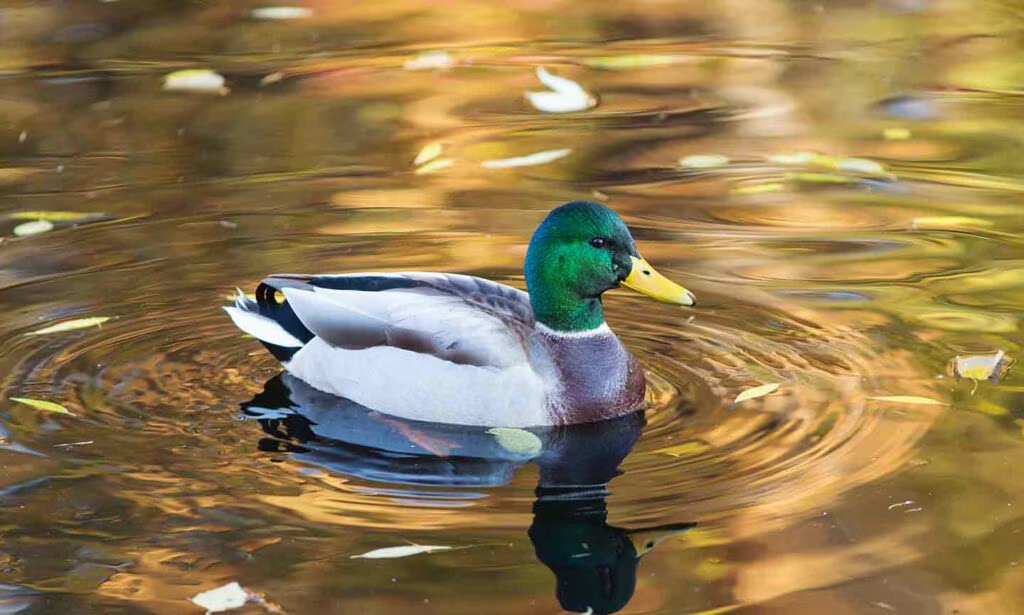
Ducklings are born looking like they belong in water. They dive toward it instinctively from their first hours of life, and watching a duckling in a small bowl of water is one of the most joyful things imaginable. New duck keepers, enchanted by this response, give their ducklings early, unrestricted access to water and are blindsided by the hypothermia or drowning that follows.
Why It Matters
Young ducklings can swim, but brooder-raised birds can become waterlogged, chilled, exhausted, or trapped when water is deep, cold, or difficult to exit. There is no single safe starting age for every setup. Feathering, water temperature, room temperature, depth, session length, and easy entry and exit all matter.
The Fix
If you offer swim time before full feathering, use comfortably warm, very shallow water for a brief, directly supervised session. Every duckling must be able to stand and leave without climbing a slick wall. Return them to a clean, warm brooder and ensure they dry promptly. Watch for any duckling that becomes lethargic, has wet, flattened feathers against the body, or is shivering — this is hypothermia beginning and requires immediate removal from the water and warming.
Increase depth and duration only as feathering, strength, and water confidence develop. Even fully feathered ducks need clean water, secure edges, an easy exit, predator protection, and routine supervision; age alone does not make a pond or container safe.
Mistake Three: Feeding Bread and Calling It a Treat
Why This Mistake Happens
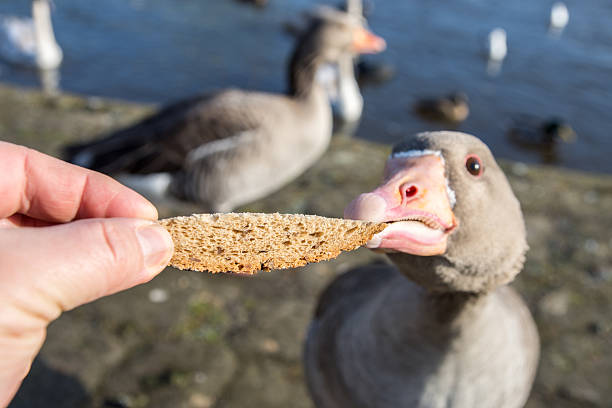
Feeding ducks bread is one of the most culturally embedded activities in human experience — it is what people do at ponds and parks, what children are taught from their earliest outings, and what feels kind and generous toward a duck that is approaching eagerly. The eagerness of ducks for bread reinforces the behavior. Nobody tells new duck keepers that the thing their ducks appear to love most is nutritionally equivalent to feeding them cotton candy.
Why It Matters
Many well-meaning duck owners accidentally cause serious health problems by offering the wrong foods or making simple mistakes in how they feed their flock. Bread and processed snacks are junk food for ducks. Bread supplies calories but is not a balanced duck feed. Frequent or large servings can displace the amino acids, vitamins, and minerals required for healthy growth. Angel wing has been associated with rapid growth and dietary imbalance, but it should not be presented as the guaranteed result of a specific amount of bread.
The Fix
The foods that serve as genuine nutritious treats for ducks are: chopped leafy greens such as kale, lettuce, and spinach — torn into small pieces; peas defrosted from frozen and cut in half for small ducks; mealworms live or dried which are an excellent protein source; cucumber, watermelon, and zucchini chopped into small pieces; and scrambled egg which is a high-quality protein source they find highly palatable. All treats should comprise no more than 10% of daily food intake — the primary diet should always be the formulated feed appropriate to the duck’s age and stage. Offer treats sparingly and in pieces that are easy to swallow, with drinking water available. Ducks differ in how quickly they accept new foods, so avoid promising a 48-hour behavior change.
Avoid moldy food, avocado, chocolate, raw or undercooked dried beans, alcohol, and heavily salted or sugary processed foods. Bread, crackers, and similar foods are poor routine choices rather than instant poisons. Evidence for categorical bans on small amounts of citrus, onion, or garlic in ducks is less clear, so the practical rule is to keep the formulated ration central and verify questionable foods through an avian veterinarian or extension service.
Mistake Four: Housing Ducks Without Addressing Moisture — The Single Most Common Health-Destroying Error
Why This Mistake Happens
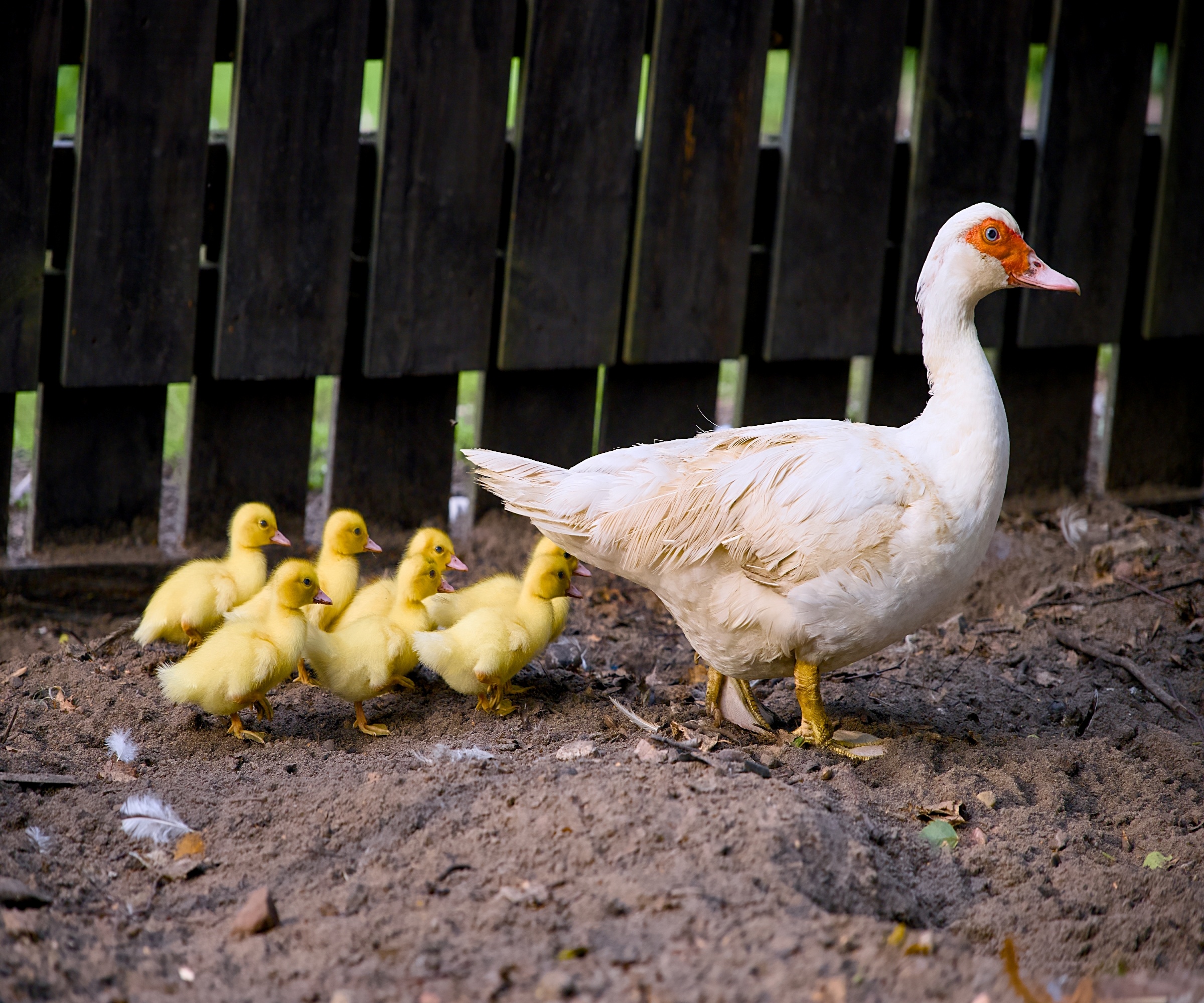
New duck keepers read general backyard poultry guides that were written for chickens and apply the same housing standards to ducks. They provide the same bedding depth, the same ventilation, and the same water placement — and within days, their duck coop is wet, smelling of ammonia, and beginning to produce the respiratory problems and foot infections detailed in our duck coop health article.
Why It Matters
Everything covered in the duck coop articles earlier in this blog applies here with full force. Ducks produce dramatically more moisture than chickens through every mechanism — wetter droppings, more respiratory moisture output, wet feathers on entry, and the water they track from the drinker. Water placed right inside the sleeping area or too close to the entrance causes the whole coop to turn into a soaked bedding pile. Ducks need water, but they do not need to turn their sleeping space into a swamp. The farther you can separate sleeping space from heavy water use, the easier your life gets.
The Fix
Read the complete duck coop moisture guide and coop health red flag guide earlier in this blog — they cover every structural housing requirement in full detail. The critical rules to apply from day one: water sources outside the coop and at the far end of the run always, ventilation sized for ducks, not chickens, absorbent, low-dust bedding; a floor that can be cleaned and kept dry; and a schedule based on actual moisture and odor rather than waiting a fixed number of days. These measures reduce risk, but no housing system guarantees that respiratory disease, bumblefoot, or fungal illness will never occur. Persistent ammonia odor, wet litter, coughing, eye irritation, lameness, or foot swelling calls for prompt correction and veterinary assessment when signs continue.
Mistake Five: Keeping a Single Duck
Why This Mistake Happens
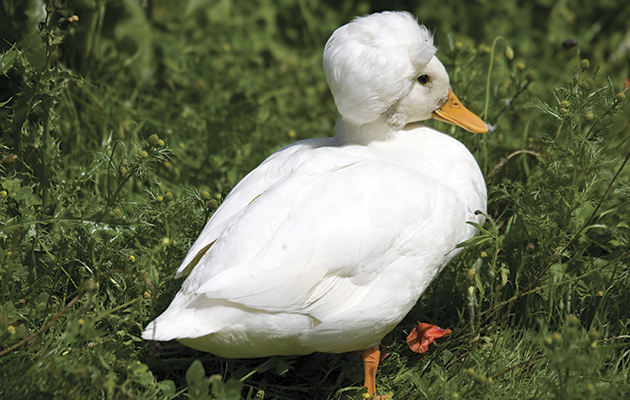
As our beginner’s duck-raising guide explains, people sometimes acquire a single duckling as a pet. It is tame, bonded to them, and seems happy in human company. They do not realize that this apparent contentment in a single duckling is compensation behavior — the duckling is imprinted on the only companionship available to it, not genuinely content as a solitary animal.
Why It Matters
Ducks are social flock animals that communicate and rest, forage, and move together. Human attention does not fully replace companionship from another compatible duck. A lone bird may become unusually vocal, anxious, or dependent, although an exact effect on lifespan cannot be claimed without individual veterinary evidence.
The Fix
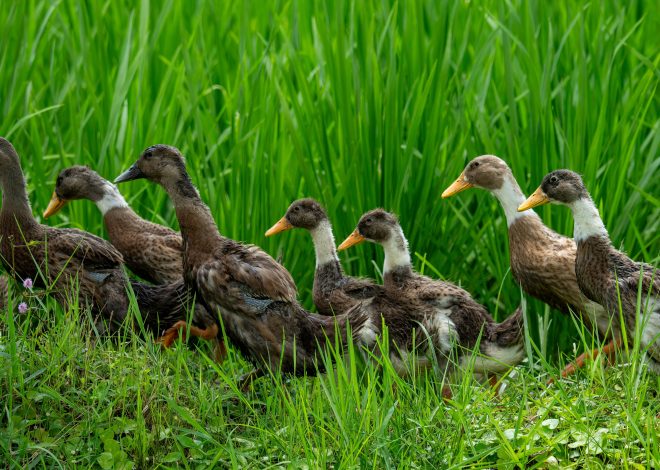
Keep at least two compatible ducks, with three or more offering resilience if one bird must be separated temporarily. The composition of a small flock matters: if you do not want ducklings, keep all hens or a ratio heavily weighted toward hens, since drakes kept with too few hens — too few hens can contribute to overmating and injury. No ratio works for every breed or individual, but many small-flock keepers begin around three to five hens per drake and adjust or separate birds based on behavior. A drake-free all-hen flock lays just as reliably, requires less management, and is the simplest starting configuration for any new duck keeper.
The Ducks You Raise on This Information Will Thrive in a Way That Makes the Work Completely Worth It
These mistakes increase avoidable risk, but one imperfect choice does not mean a duck will inevitably become sick or disabled. Feeding the right food from hatch, supervising early water access, never offering bread, housing them correctly from day one, and keeping them in a flock of appropriate size — these five changes applied from the beginning produce a duck flock that is genuinely healthy, genuinely productive, and genuinely one of the most rewarding things you can have in a backyard. Start with a suitable ration, safe water access, dry housing, and compatible companions, then use a consistent daily duck-care routine to keep observing and adjusting as the flock grows.
Sources and further reading
- Cornell Duck Research Laboratory: Duck nutrition
- Cornell Duck Research Laboratory: Duck housing and management
- NC State Extension: Feeding ducks
Continue Exploring Your Backyard Flock
Use these closely related guides to plan your next steps:
One thought on “5 Common Duck-Raising Mistakes—and Safer Solutions”
Comments are closed.