
What to Feed Laying Hens for Balanced Nutrition and Consistent Eggs
If your chickens have slowed down or stopped laying eggs, the issue may not be their age or the season—it may be their diet. Egg production is heavily influenced by nutrition, and even small deficiencies can lead to inconsistent laying.
A sound feeding strategy supports health and normal laying, but it cannot override age, molt, daylight, broodiness, illness, stress, or genetics.
Why Chickens Stop Laying Eggs
Before fixing the problem, it’s important to understand what causes it.
Free Backyard Flock Checklist
Planning the rest of your flock setup?
Turn your coop-size estimate into a complete setup plan with our free equipment and preparation checklist.
Chickens may stop or reduce egg production due to:
- Poor nutrition (low protein or calcium)
- Seasonal changes (especially reduced daylight)
- Stress or overcrowding
- Molting periods
- Lack of clean water
Among these, nutrition is the most controllable factor—and often the most overlooked.
Start With a Complete Layer Feed
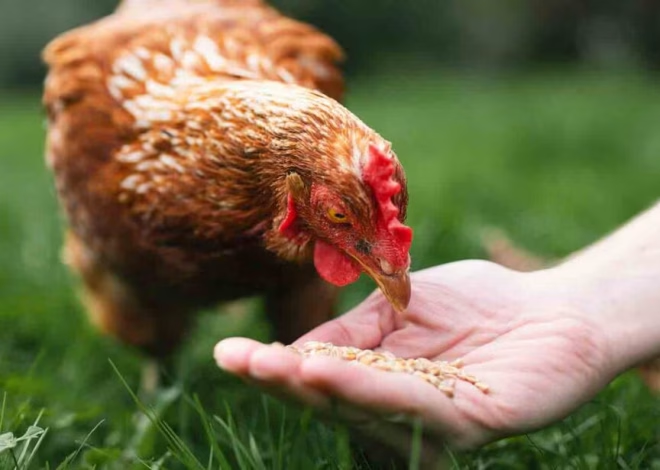
For actively laying adult hens, a reputable complete layer ration should provide the foundation. Choose a product formulated for the birds’ life stage and follow its label; extra protein or calcium is not automatically better.
Here’s what makes the biggest difference:
1. Protein Boost (The Egg Engine)
Eggs are made mostly of protein, so your chickens need a steady supply.
Treats such as mealworms or cooked egg can be offered sparingly, but adding concentrated protein to an already complete ration may dilute other nutrients or exceed the intended balance. Use the protein level recommended on the feed label for the flock’s age and purpose.
2. Calcium Sources (For Strong, Consistent Eggs)
Laying hens need adequate calcium for shell formation, while excessive calcium can be inappropriate for chicks, growers, drakes, roosters, or non-laying birds.
Offer plain oyster shell in a separate feeder to actively laying hens when recommended for the ration. Do not confuse soluble calcium with insoluble granite grit, and do not mix large unmeasured amounts into complete feed.
3. Keep Grains and Scratch as Treats
Corn, oats, barley, and scratch mixes can add calories but dilute the vitamins, amino acids, and minerals in a complete ration when overfed. They do not “heat” a hen in a way that replaces dry shelter, appropriate body condition, and adequate complete feed.
4. Offer Greens Safely and Sparingly
Leafy greens and vegetables can provide enrichment, but they should remain a small part of the diet. Avoid piles of long grass clippings that can mat or be swallowed in long strands, and remove wet or moldy leftovers promptly.
A Simple Daily Feeding Formula
Make the complete, age-appropriate ration the large majority of intake. Keep treats and scratch limited—commonly no more than about 10% of the diet unless a poultry nutritionist directs otherwise—and provide any separate oyster shell or grit only to the birds that need it.
Don’t Forget Water (Critical!)
Limited or contaminated water can quickly reduce feed intake, welfare, and egg production.
- Always provide clean, fresh water
- Check multiple times per day in hot weather
- Prevent freezing in winter
Water is just as important as food.
Extra Tips for Year-Round Eggs
Feeding alone isn’t everything—combine it with these tips:
- Allow natural seasonal changes unless you have a deliberate lighting plan; supplemental light affects molt, production, and welfare and should be introduced gradually.
- Keep the coop clean and stress-free
- Avoid sudden feed changes
- Protect hens from extreme weather
Consistency is key.
Common Mistakes to Avoid
- ❌ Feeding only scraps (not balanced)
- ❌ Ignoring protein levels
- ❌ Giving unmeasured calcium to the entire mixed-age flock
- ❌ Dirty or limited water supply
- ❌ Overfeeding treats
Final Thoughts
There is no single food that guarantees eggs all year. A complete ration supports normal production and makes nutritional deficiencies less likely.
If laying changes suddenly, review feed and water but also consider molt, daylight, age, broodiness, parasites, stress, and illness.
Keep the diet consistent, monitor body condition and shell quality, and consult a poultry-experienced veterinarian or extension specialist when production drops alongside illness or abnormal eggs.
Sources and further reading
- Oregon State University Extension: How to feed your laying hens
- Oregon State University Extension: Why did my chickens stop laying?
Continue Exploring Your Backyard Flock
Use these closely related guides to plan your next steps:
3 thoughts on “What to Feed Laying Hens for Balanced Nutrition and Consistent Eggs”
Comments are closed.