

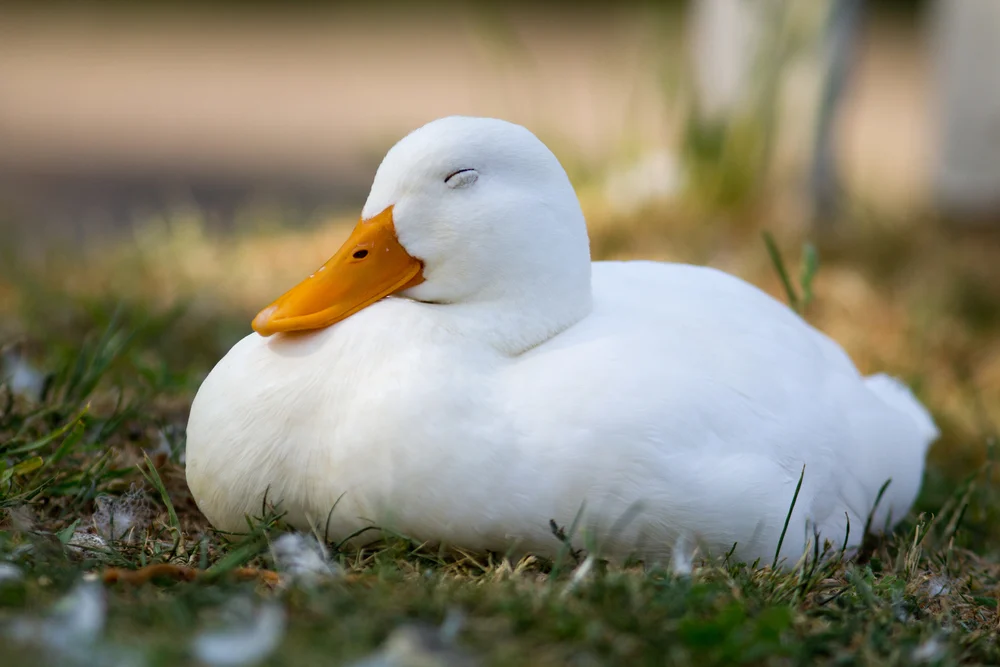
6 Winter Duck Coop Tips From Keepers Who’ve Done It Right
Here is the good news about ducks and winter: they are significantly better adapted to cold weather than most people expect. The same down insulation that has made duck and goose down the gold standard of human winter bedding for centuries is working continuously to keep your flock comfortable in temperatures that would challenge most other backyard poultry.
Many healthy, fully feathered adult ducks tolerate cool weather well, but cold tolerance varies with breed, age, body condition, acclimation, wind, wetness, and health. Winter laying also varies by breed and day length. Do not interpret cold hardiness as immunity to frostbite, hypothermia, dehydration, or housing-related illness.
The challenges that winter does create for ducks are specific: water access in freezing temperatures, bedding moisture management when ventilation must be balanced against warmth, and the specific health monitoring that cold weather requires. These six tips address each challenge directly.
Free Backyard Flock Checklist
Planning the rest of your flock setup?
Turn your coop-size estimate into a complete setup plan with our free equipment and preparation checklist.
Tip 1: Ventilation — The Counter-Intuitive Winter Priority
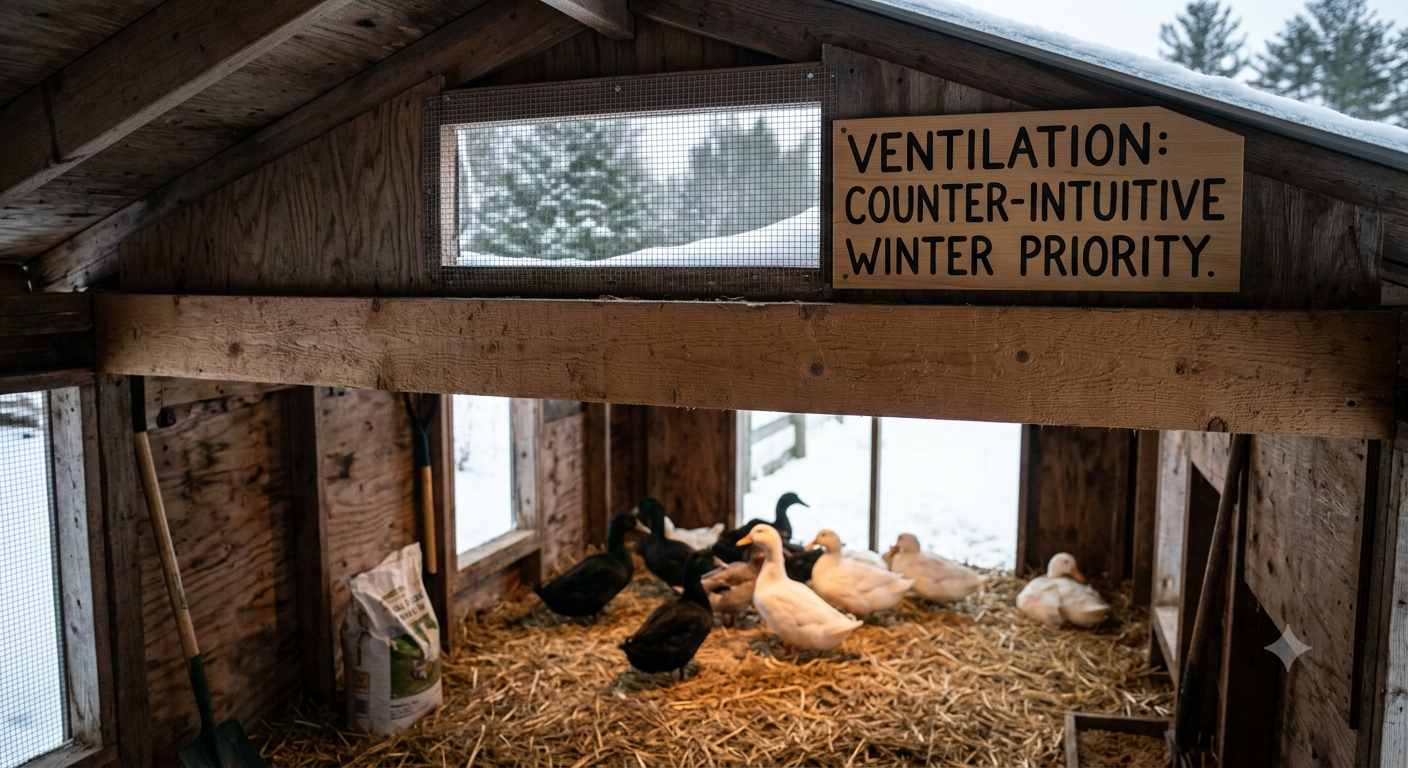
Do not seal a duck coop tightly against winter air. Ducks add moisture through respiration, droppings, and water use, so the shelter must release humid, contaminated air while protecting birds from direct wind and precipitation.
A practical ventilation approach: Use permanent high-level openings sized for the shelter and flock, keep them clear, and prevent strong drafts across the sleeping area. Check for condensation, persistently damp bedding, mold, and ammonia odor. Cornell’s Duck Research Laboratory emphasizes adequate ventilation in duck housing, while the RSPCA’s duck and goose housing guidance calls for shelter that is warm, dry, and well ventilated.
Visible breath is not a humidity test—it can appear simply because warm exhaled air meets cold air. An inexpensive hygrometer can help reveal trends, but bedding condition, condensation, odor, stocking density, and bird health remain important checks.
Tip 2: Keep Bedding Dry and Manage It by Condition
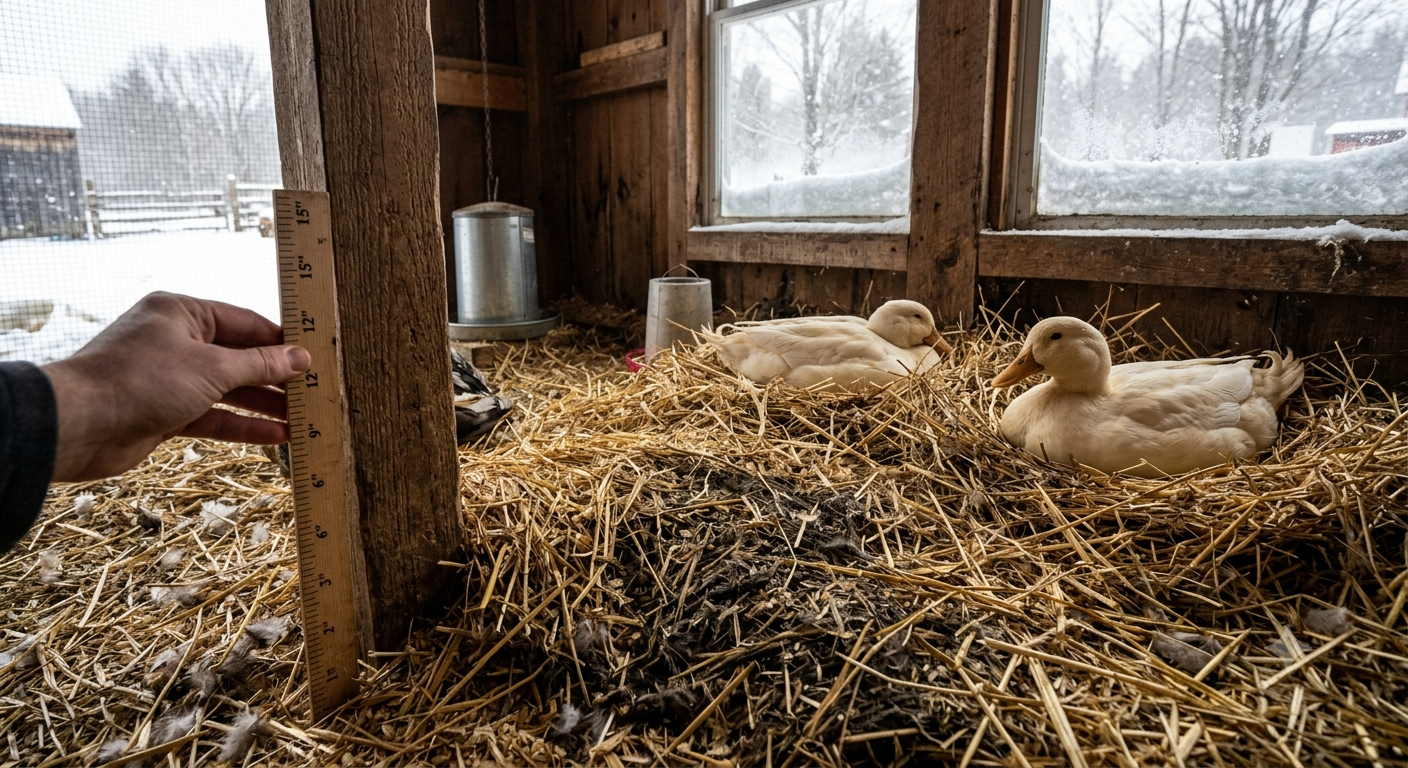
Provide a generous layer of clean, absorbent bedding over a dry, well-drained floor. Pine shavings, hemp, and clean chopped straw can work, but performance depends on the building, flock density, and water-management system.
Deep litter is a managed composting system, not simply old bedding covered repeatedly with new material. In a small duck shelter, excess water and manure can overwhelm it quickly. Remove saturated, moldy, matted, or strongly odorous material promptly. Do not count on litter-generated heat to warm the birds, and do not leave wet lower layers in place merely to preserve supposed composting activity.
Tip 3: Water Access — The Winter Management Challenge
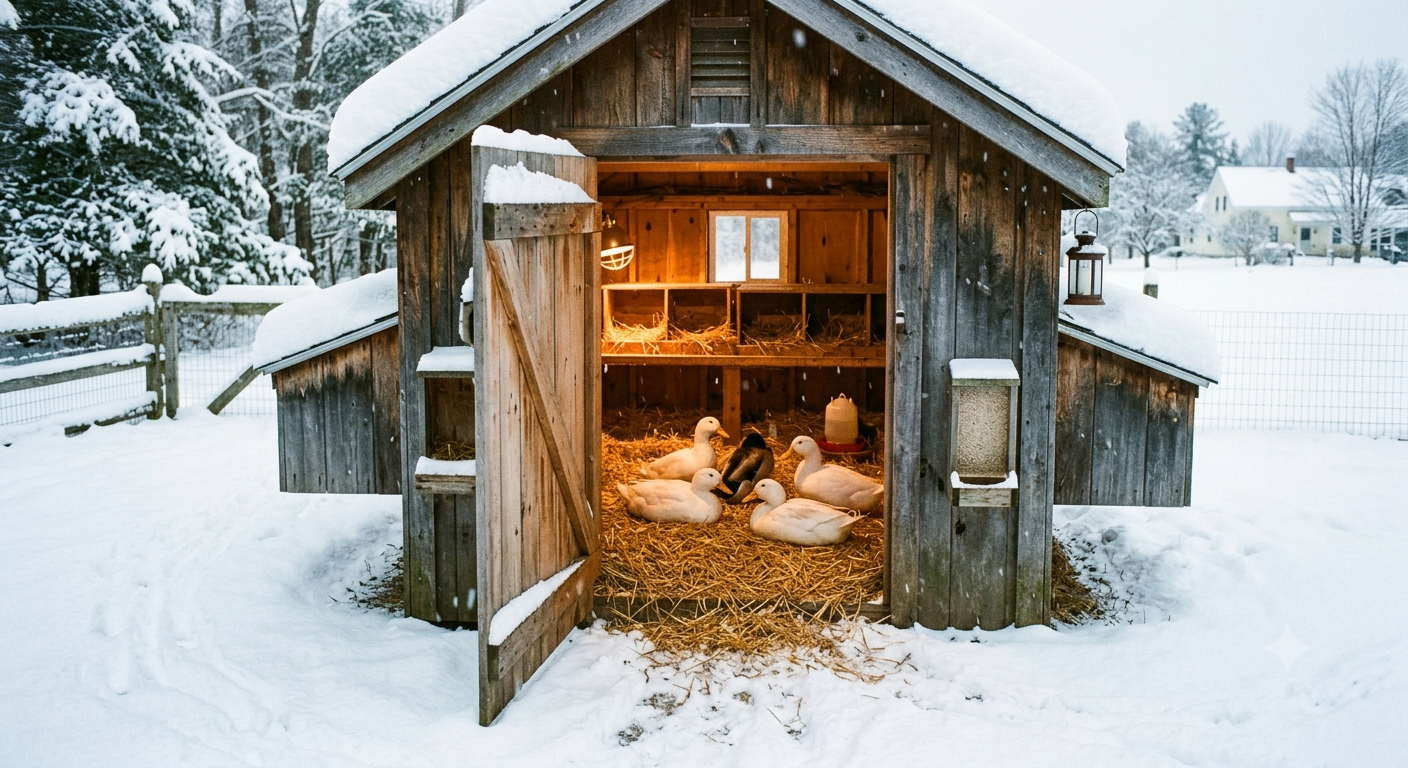
Reliable water access is one of the most important winter responsibilities. Ducks must not be left without clean drinking water simply because temperatures are below freezing.
Heated equipment: Use only a waterer or heated base designed for the container, location, and outdoor conditions. Follow its stated temperature range, protect cords from birds and rodents, use suitable ground-fault protection, and inspect it daily. No single product can be assumed to remain ice-free to 20°F.
Manual management: Check often enough that clean liquid water remains available throughout the birds’ active period. The required frequency depends on temperature, container volume, wind, flock size, and how quickly the ducks foul or empty it; “twice daily” may be inadequate in some conditions.
Head washing and bathing: Drinking water must be deep enough for ducks to submerge and clean the bill and nostrils. Where full bathing water cannot be offered continuously because of ice or safety, provide regular supervised access when conditions allow, with a non-slip entry and exit. Prevent birds from becoming stranded on ice or returning to shelter soaked in severe wind chill.
Tip 4: Monitor Intake and Body Condition
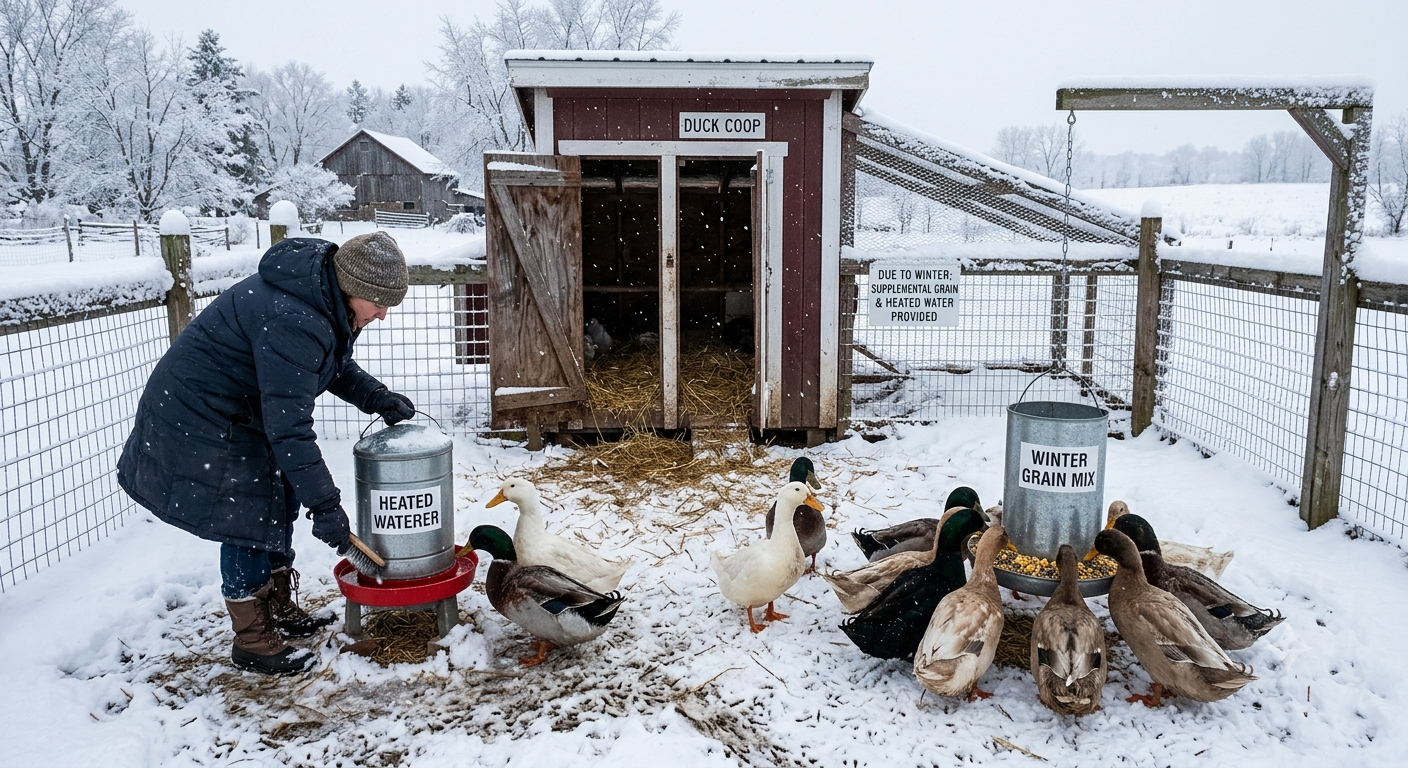
Continue a complete feed appropriate for the ducks’ age and laying status. Energy needs and intake can change with temperature and activity, but a universal 10–15% winter increase is not appropriate for every flock. Follow the feed label, monitor body condition and leftovers, and seek professional guidance for thin, ill, growing, or breeding birds.
Scratch grains do not function as an overnight heater and can dilute protein, vitamins, and minerals when overfed. If used at all, keep them to a small treat portion after the birds have eaten their balanced ration. Leafy vegetables can provide enrichment, but hanging food must be positioned so birds cannot become entangled and should not replace complete feed.
Tip 5: Health Monitoring — What Winter Cold Does and Does Not Cause
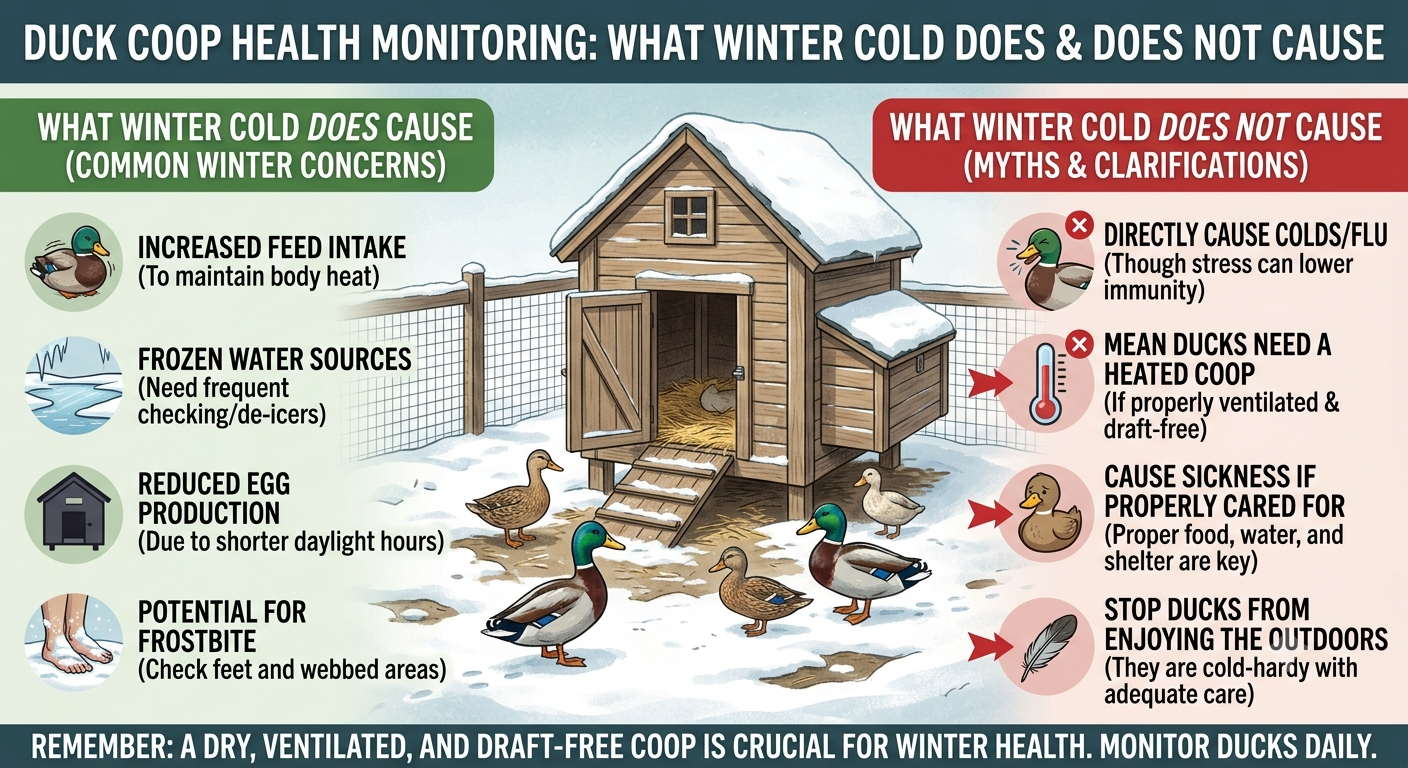
What cold does cause:
- Cold, wind, and wet conditions can contribute to frostbite or hypothermia, especially in young, elderly, injured, underweight, poorly feathered, or unacclimated birds.
- Damp, dirty, poorly ventilated housing irritates the respiratory tract and can increase disease risk; cold air itself does not identify the cause of respiratory signs.
- Egg production often declines with shorter days, molt, age, nutrition, stress, and health, but individual and breed patterns vary.
Avoid universal temperature rules: There is no evidence-based 20°F threshold that determines when every adult duck needs supplemental heat. Assess the birds, shelter, wind exposure, bedding, acclimation, breed, and local extremes. Any heater introduces fire and electrical risks and must be designed, installed, and monitored accordingly.
Do not dismiss drooping wings as a normal way to trap insulating air. Wing droop, weakness, reluctance to move, abnormal breathing, or isolation can indicate heat stress, injury, illness, or severe fatigue and deserves prompt assessment.
Winter health-check priorities:
- Inspect feet and legs for injury, swelling, damaged skin, or cold injury, especially after exposure to wet or frozen ground.
- Investigate nasal discharge, open-mouth or labored breathing, unusual sounds, weakness, or isolation promptly; separate a sick bird only where appropriate housing and companion contact can be maintained, and contact a poultry veterinarian.
- Monitor body condition rather than relying only on appearance beneath dense feathers. Unexplained weight loss despite feed access warrants investigation.
Tip 6: Egg Production — Managing Expectations and the Lighting Option
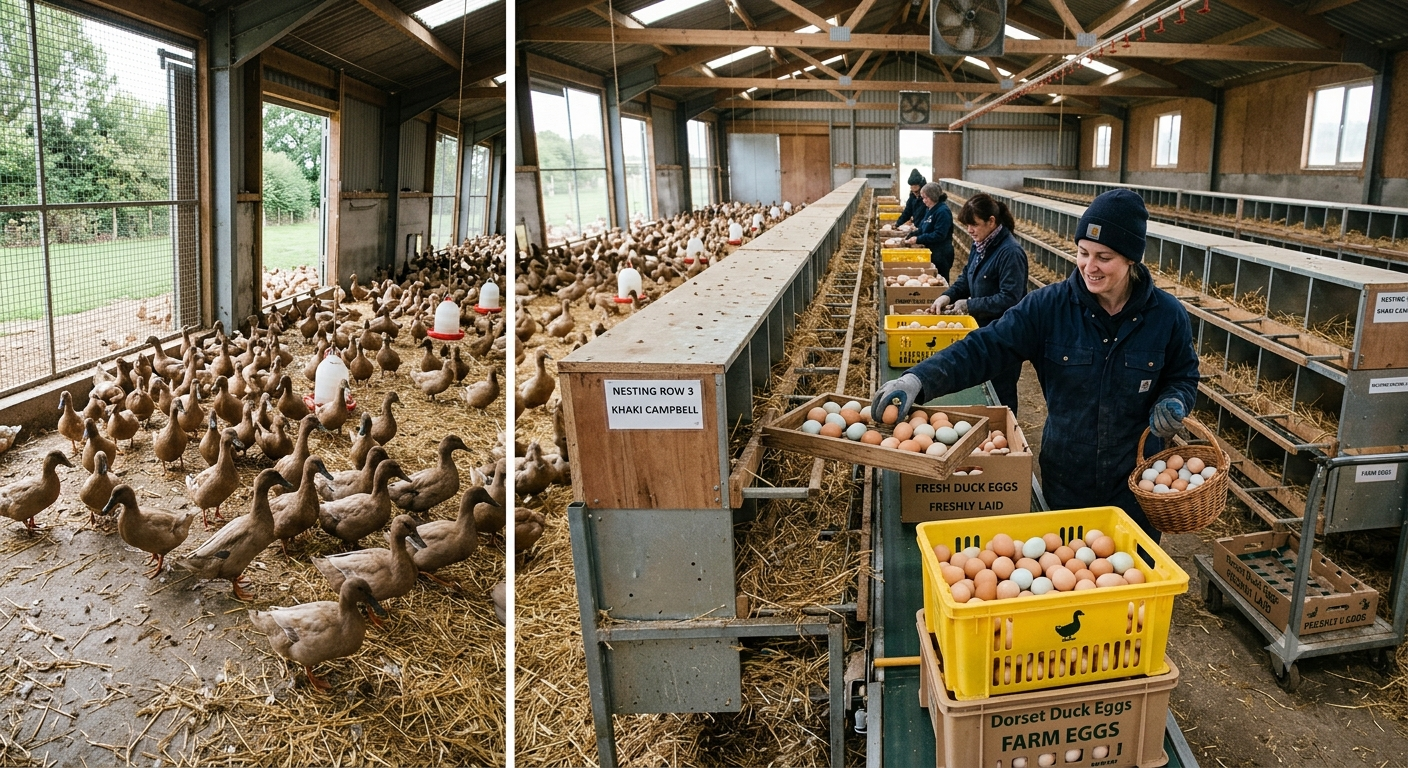
Day length influences reproductive activity, but the response varies by breed, age, molt, nutrition, and health. Many duck breeds reduce laying during shorter winter days; that change is not automatically evidence of poor management.
Supplemental lighting: If lighting is used, introduce it gradually, use a timer and safe fixtures, preserve a consistent dark resting period, and seek breed-appropriate advice. Do not promise that exactly 14 hours will maintain production in every flock.
Welfare: Supplemental light is optional. Claims that a winter laying break necessarily extends life, or that year-round laying is harmless if light is provided, are too broad without flock-specific evidence. Health and welfare should take priority over production.
Winter duck keeping requires preparation and daily observation. Dry bedding, suitable ventilation, dependable unfrozen water, balanced feed, predator protection, and a plan for severe weather reduce risk, but no setup guarantees health through every cold event.
Ducks were built for this. Your coop just needs to support what their physiology is already doing.
Before the first frost, check the shelter for leaks, blocked vents, direct drafts, electrical hazards, and frozen-water failure points. Keep appropriate high ventilation open while protecting the birds from wind at floor level.
Continue Exploring Your Backyard Flock
Use these closely related guides to plan your next steps:
One thought on “6 Winter Duck Coop Tips From Keepers Who’ve Done It Right”
Comments are closed.