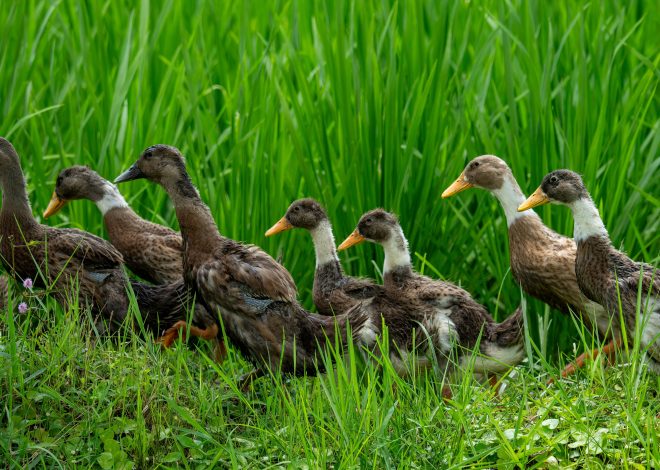



10 Safe Duck Enrichment Ideas for a More Engaging Flock

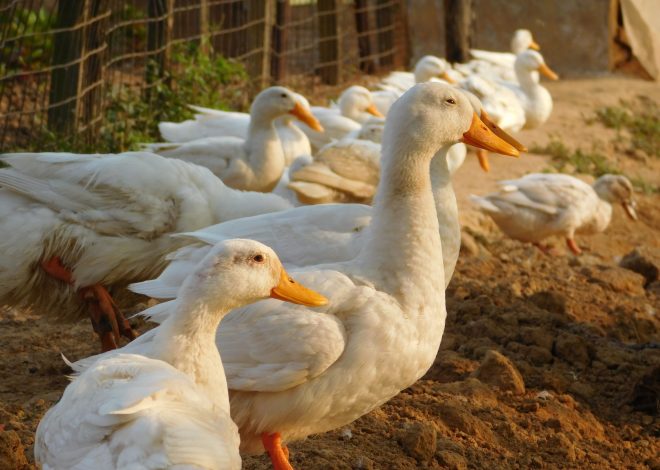
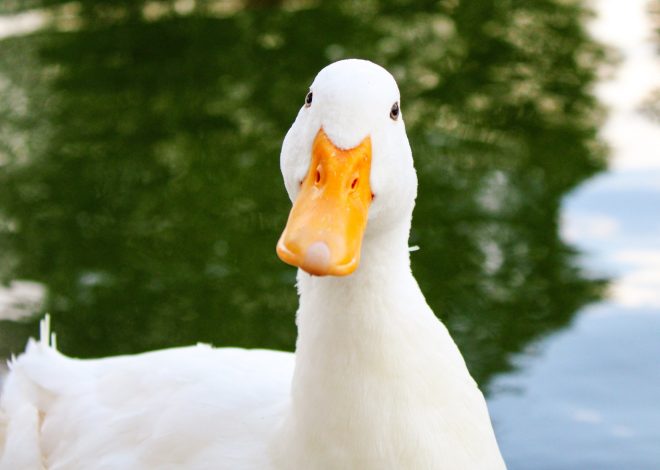
Ducks naturally spend time exploring, foraging, preening, bathing, resting, and interacting with their flock. A well-designed enclosure should give them safe opportunities to perform those behaviors. Enrichment does not need to be expensive, but it does need to be clean, stable, appropriately sized, and easy for every duck to leave. Introduce one change at a […]

8 mins read
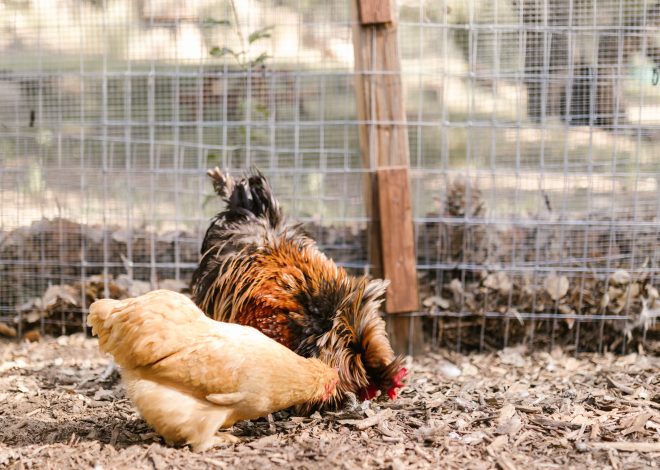
10 Plants for a Chicken-Friendly Garden—Treats, Shade, and Enrichment

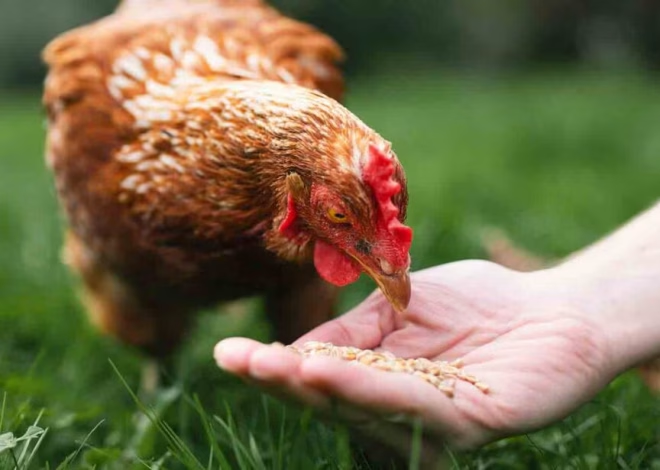
Most chicken keepers think of the feed bag as a fixed cost. A modest garden patch can provide seasonal treats, enrichment, shade, and small supplemental savings, but it should not be expected to replace a complete ration or guarantee a specific reduction in the feed bill. Why Growing Feed Makes More Sense Than It Sounds […]

7 mins read

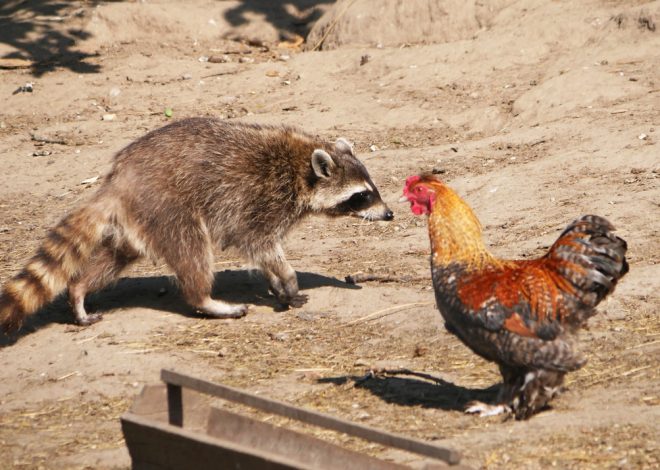
Raccoons Keep Getting In? Build This 8-Layer Defense for a Safer Chicken Coop

A forced latch, bent mesh, disturbed soil, or feathers near the coop can reveal a predator attempt—or a devastating loss. Raccoons are skilled climbers with dexterous paws, so a coop needs more than one well-placed latch. This guide uses eight practical layers to reduce the chance of entry and make weaknesses easier to spot. No […]

9 mins read

8 Practical Chicken Run Designs—from Mobile Hoops to High-Security Builds

The chicken run is where your flock spends most of their waking hours. Not the coop — the run. The coop is where they sleep and lay and shelter. The run is where they live. Where they forage, socialize, dust bathe, argue about hierarchy, investigate every square inch of ground, and conduct the continuous, purposeful […]

11 mins read

Bali Duck Guide: Appearance, Care, Eggs, and Crest Genetics

There are duck breeds that are popular. There are practical duck breeds. And then there is the Bali duck — a breed that is neither of these things in the conventional sense, but that occupies a completely different category: the duck that stops people who know nothing about ducks, who have never considered keeping ducks, […]

10 mins read

6 Winter Duck Coop Tips From Keepers Who’ve Done It Right

Here is the good news about ducks and winter: they are significantly better adapted to cold weather than most people expect. The same down insulation that has made duck and goose down the gold standard of human winter bedding for centuries is working continuously to keep your flock comfortable in temperatures that would challenge most […]

7 mins read

8 Goose Breeds for Backyard Flocks: Size, Temperament, and Care

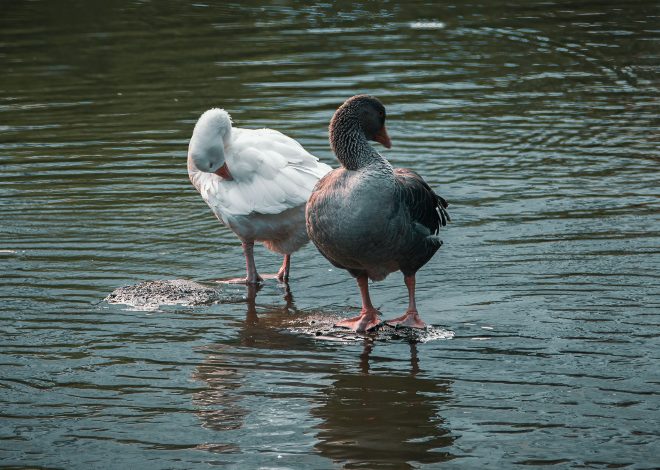
Adding geese to a duck flock changes the social and management needs of the backyard. Geese are alert and may vocalize when they notice something unfamiliar near the enclosure, but an alarm is not predator protection. Ducks and geese still require secure housing, appropriate fencing, and direct supervision whenever local risk calls for it. With […]

11 mins read

5 Signs a Pullet May Be Approaching Her First Egg

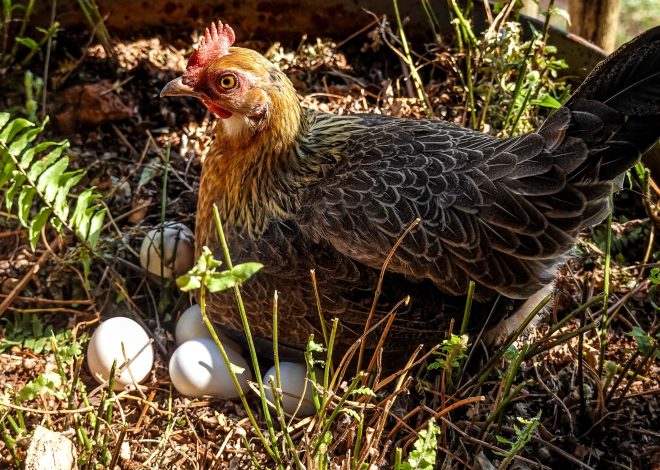
Waiting for a pullet’s first egg can make every visit to the nesting boxes feel like an event. Age and breed offer a rough expectation, but daylight, nutrition, health, season, and individual development can move the timeline considerably. Body and behavior often change as a pullet reaches sexual maturity. These five signs can suggest that […]

5 mins read

How to Help Chickens Feel Safer Around You: 8 Gentle Steps

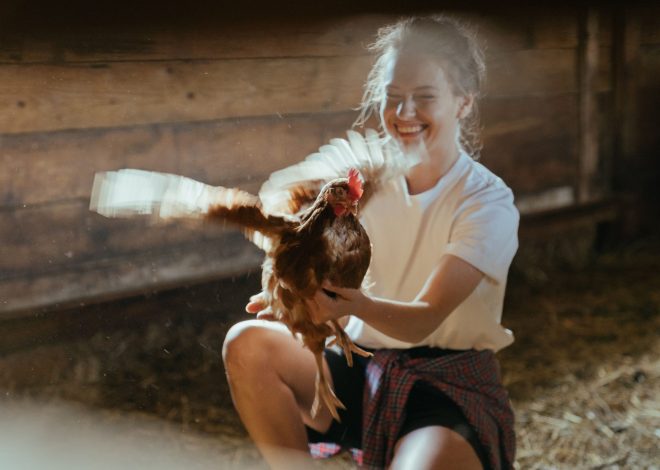
Some backyard chickens approach people readily; others keep their distance or retreat when someone enters the run. Neither response makes a bird defective or the keeper unsuccessful. Genetics, breed tendencies, early experience, individual temperament, health, and current handling all influence fear and approach behavior. Calm, consistent routines can help many birds feel safer, but the […]

6 mins read

How to Help Backyard Ducks Feel Safer Around You: 8 Gentle Steps

A duck choosing to remain nearby or take food from a keeper can be rewarding, but hand-feeding is not required for a good relationship. Ducks are prey animals, and many prefer some distance from people even when they are comfortable with routine care. These eight steps use predictability, choice, and gradual exposure to reduce avoidable […]

6 mins read