



How to Help Backyard Ducks Feel Safer Around You: 8 Gentle Steps
A duck choosing to remain nearby or take food from a keeper can be rewarding, but hand-feeding is not required for a good relationship. Ducks are prey animals, and many prefer some distance from people even when they are comfortable with routine care.
These eight steps use predictability, choice, and gradual exposure to reduce avoidable fear. They are flexible rather than a guaranteed sequence: health, genetics, early experience, flock dynamics, and individual temperament all influence progress.
Why Some Ducks Keep More Distance
Free Backyard Flock Checklist
Planning the rest of your flock setup?
Turn your coop-size estimate into a complete setup plan with our free equipment and preparation checklist.
Before the steps — the understanding that makes patience possible.
Some ducks are more reactive around people than some chickens, but species-wide comparisons hide large differences among breeds, lines, individuals, and past experiences. Retreat is a normal protective response—not proof that a duck has failed to bond.
Repeated calm experiences can reduce fear, while chasing, cornering, and unnecessary capture can increase it. One bold flock member may encourage others to investigate, but each duck learns individually and subordinate birds must not be pushed aside.
Step 1: Establish Predictability — Before You Try Anything Else
The foundation of trust is predictability. A creature that does not know what you are going to do next cannot assess whether you are safe. A creature who knows exactly what you are going to do — when you come, what you bring, what you do while you are there — can perform a reliable safety calculation and arrive at a safe verdict.
Practice predictability:
- Come at the same time every day
- Use the same entrance to the enclosure every time
- Move at the same calm pace every time
- Use the same verbal greeting — a consistent, calm sound that becomes associated with your presence
Keep the routine reasonably consistent, but do not expect a visible change within one or two weeks. Approach from where birds can see you, announce your arrival calmly, and preserve enough space for them to move away without piling into a corner.
Step 2: Sit With Them — Without Doing Anything

Before treats. Before any active engagement. Before any attempt to interact.
Sit outside or near the enclosure for a short period while the ducks continue normal behavior. If entering makes them retreat or crowd together, stay outside the barrier. End before the birds become agitated and adjust the session length to the flock.
There is no required day for a first approach and no need to complete every step. Reduced alarm at routine care is already a useful outcome.
Step 3: Introduce the Treat — Peas
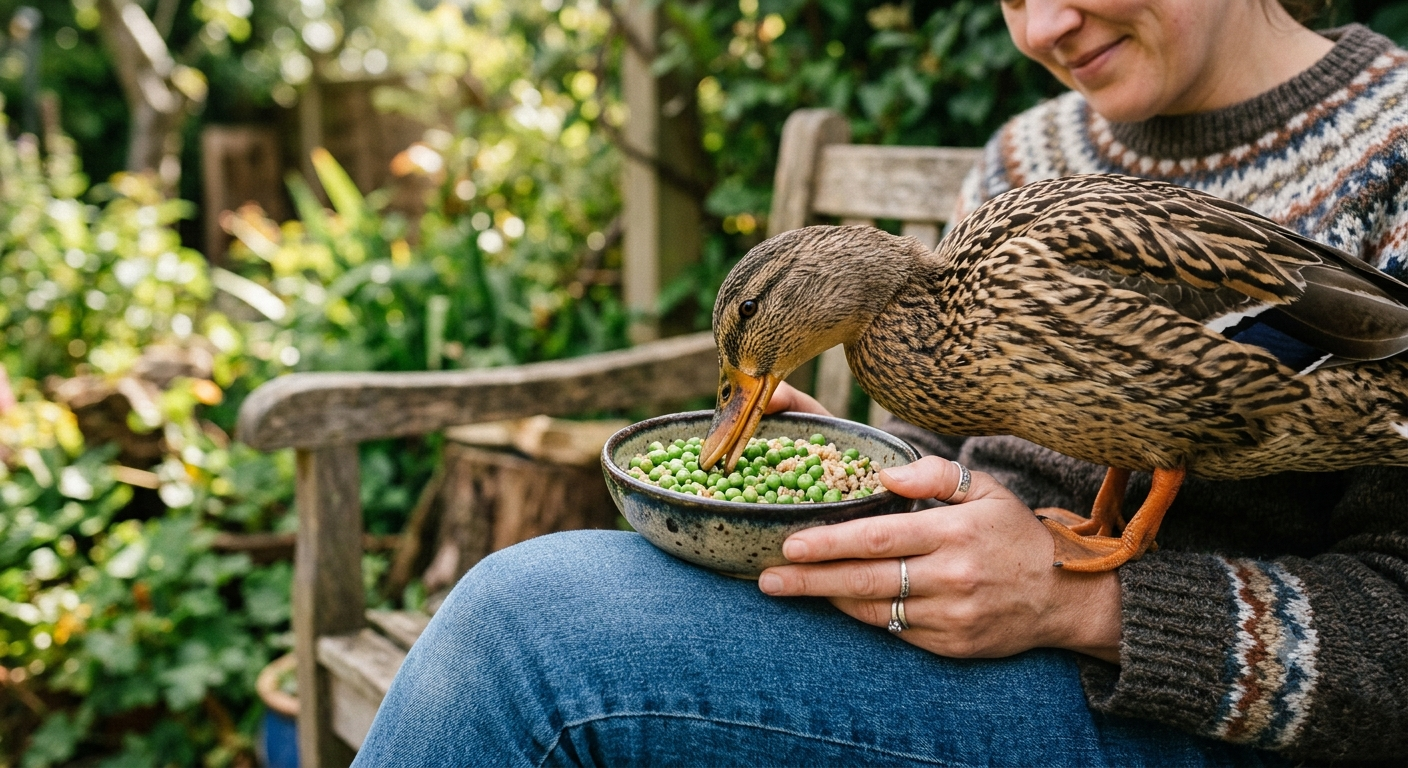
Plain thawed peas are one possible treat, but preferences vary and treats must remain a small part of a balanced diet. Provide drinking water whenever food is offered.
Place a stable bowl at the ducks’ current comfort distance and step or sit back. On later sessions, move it only slightly closer when every bird can eat without hesitation or competition. Never withhold the normal ration or force a hungry duck to approach, and do not expect the bowl to reach your side by a particular day.
Step 4: Move From Bowl to Hand
Hand-feeding is optional. A shallow bowl held low or placed beside you can build familiarity while protecting fingers from hard bill grabs. If you use an open palm, keep fingers together, supervise children, and stop if birds crowd or compete.
Let each duck approach and leave freely; there is no three-to-five-day deadline. Do not use the first close approach as an opportunity to touch. Wash hands with soap and water after contact with ducks, feed, water, or their environment.
Step 5: Introduce Touch — Gradually and on Their Terms
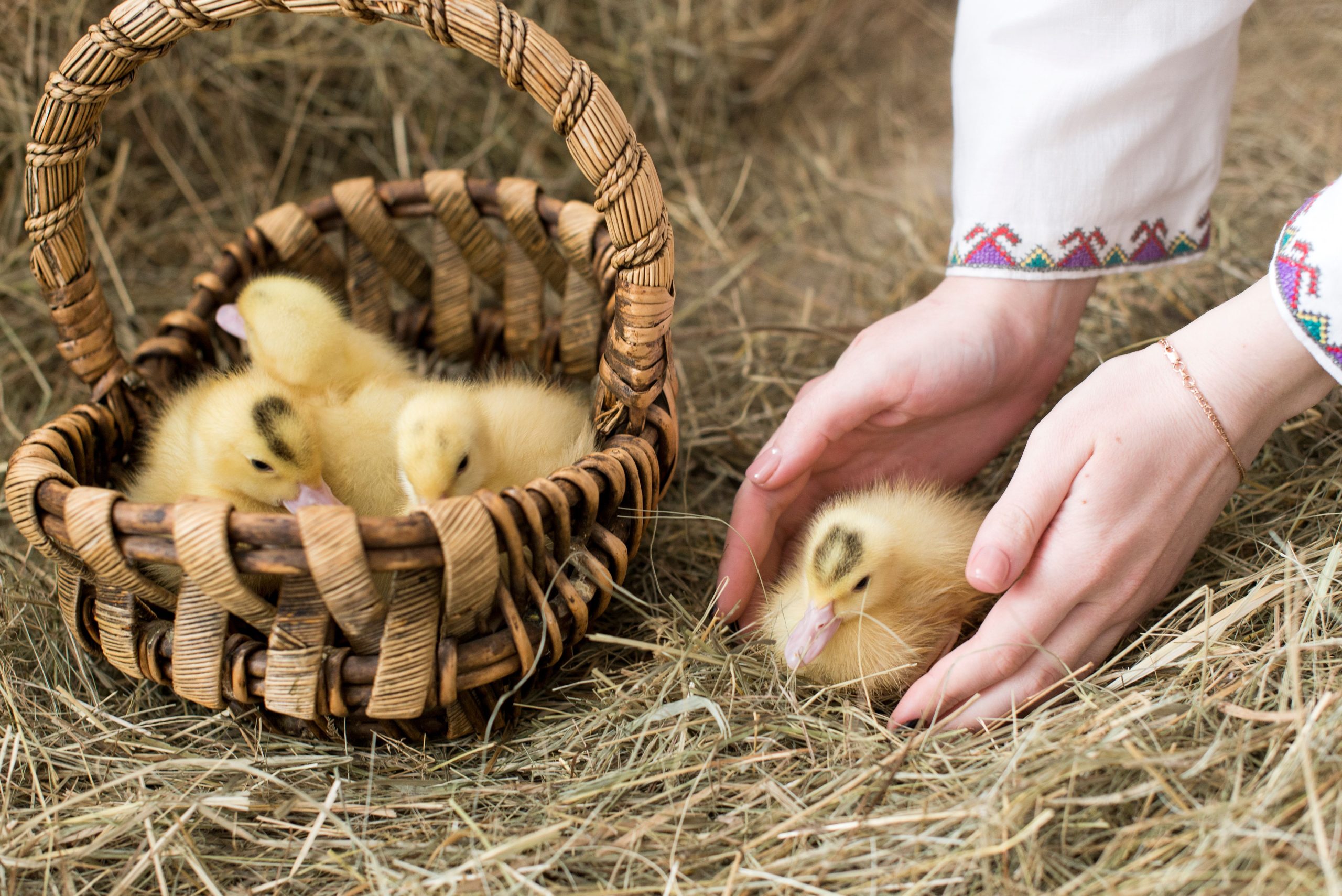
Many ducks never enjoy petting, and that preference should be respected. Do not surprise a duck with a hand on the back while food occupies her attention.
If a bird already chooses close proximity, show the hand from the side and attempt only a brief touch when she remains loose and relaxed. Stop at any retreat, freezing, lowered posture, rapid movement, vocal alarm, or flapping. Necessary health handling is different from social touch and should use calm, properly supported restraint.
Step 6: Consistency Over Months — The Trust That Lasts
Familiarity can strengthen with consistent low-stress care, but behavior is not permanently fixed. Illness, pain, predator scares, flock changes, unfamiliar clothing or equipment, and breaks in routine can increase caution again.
When behavior changes, rule out health or environmental problems and return to an easier step rather than assuming the duck has forgotten or rejected the keeper.
Step 7: Breed Considerations — Some Breeds Trust More Easily
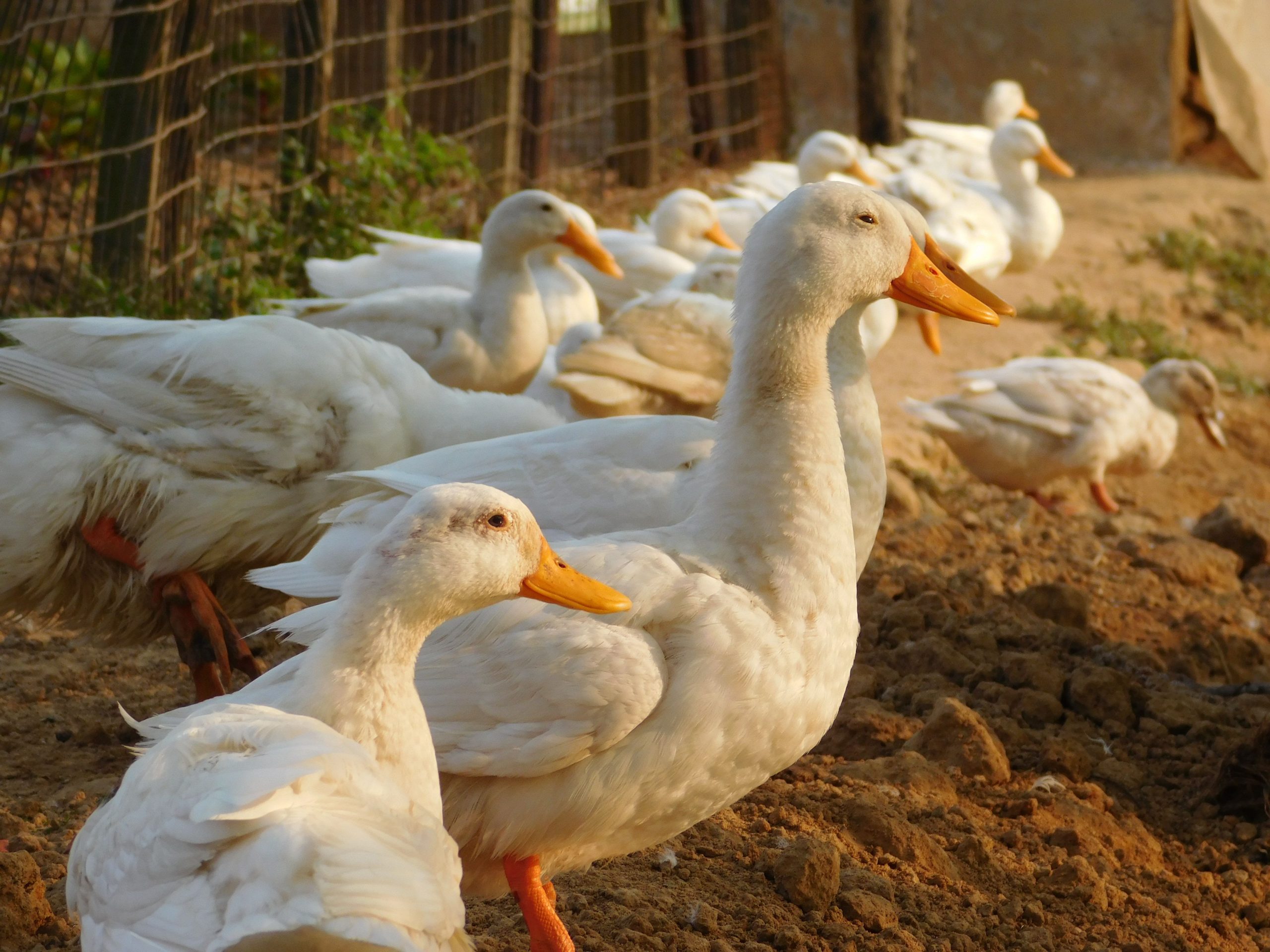
Breed lines can differ in average reactivity, but individuals vary widely. Pekins are often described as calm and some laying breeds as alert, yet no breed guarantees attachment or tameness.
Early gentle care can support habituation, but deliberate human imprinting is not a trust-building shortcut. Ducklings need appropriate warmth, sanitation, nutrition, water safety, and social development with other ducks. Adult-acquired ducks can also become comfortable with patient care, and birds should never be raised in isolation to maximize human attachment.
Step 8: Look for Increasing Comfort, Not “Complete Tameness”
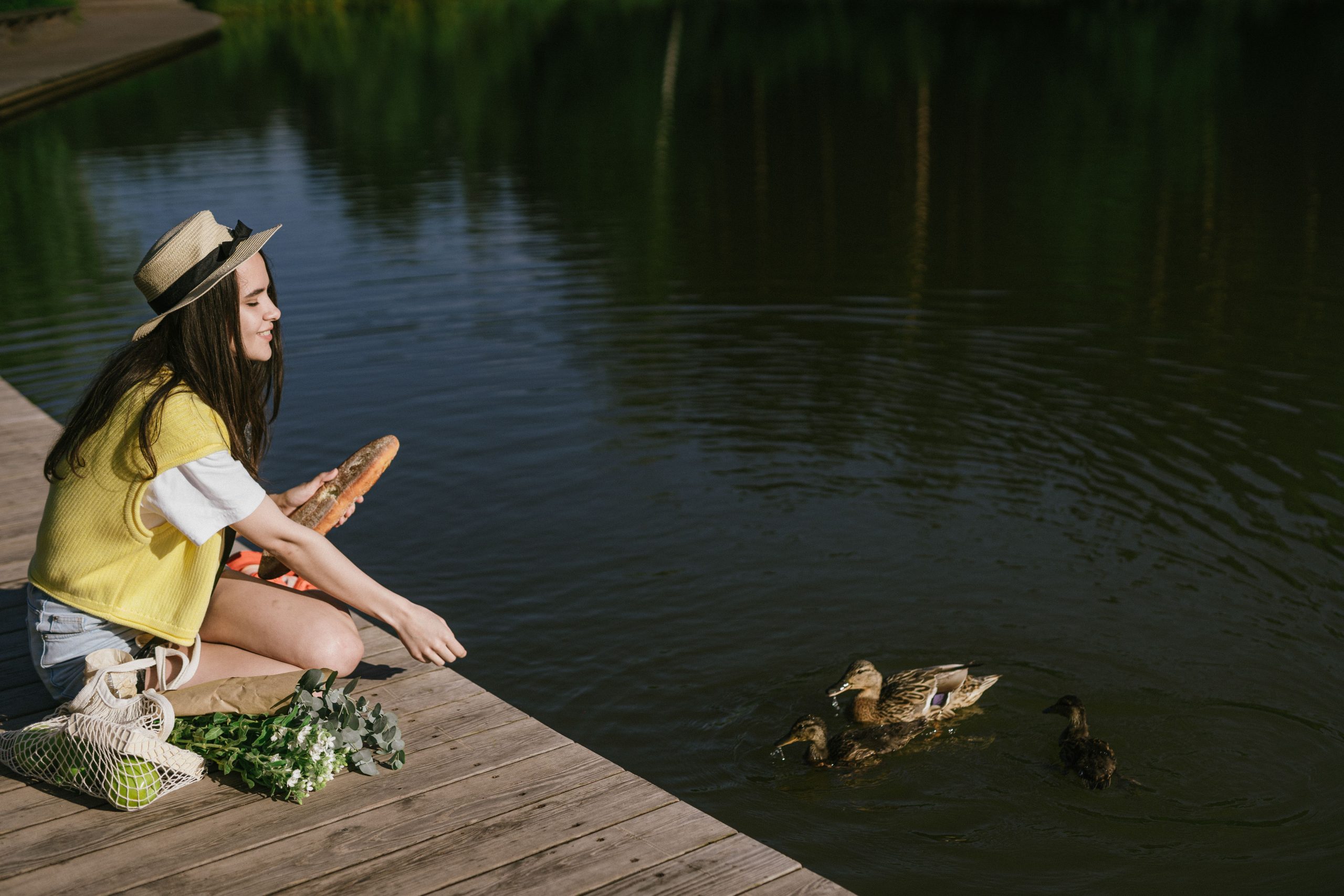
Increasing comfort may appear as a shorter retreat distance, normal feeding or preening during your visit, voluntary approach, or easier necessary handling. Interpret the whole posture: a motionless duck may be relaxed, freezing with fear, or unwell.
A good relationship with backyard ducks does not require petting, hand feeding, or birds gathered around your feet. Calm routine care and low-stress health checks are meaningful successes.
Sources and Further Reading
- RSPCA: Creating a Suitable Outdoor Environment for Ducks and Geese
- Cornell Duck Research Laboratory: Duck Housing and Management
- CDC: Backyard Poultry and Hand Hygiene
Continue Exploring Your Backyard Flock
Use these closely related guides to plan your next steps:
One thought on “How to Help Backyard Ducks Feel Safer Around You: 8 Gentle Steps”
Comments are closed.