
7 Common Reasons Chickens Stop Laying Eggs—and What to Check
You walk out to the coop every morning with a basket and come back with nothing. It started gradually — fewer eggs, then even fewer, then none at all. Before you resign yourself to buying eggs at the grocery store and question every decision you have made as a chicken keeper, take a breath. Many laying slowdowns have an identifiable cause, although illness and reproductive disorders sometimes require veterinary diagnosis. Start with the common possibilities below, observe the whole flock, and avoid forcing production before you understand what changed.
The Flock Is Not Broken — It Is Responding to Something
Chickens do not stop laying out of stubbornness or spite. A laying pause can reflect season, molt, diet, broodiness, stress, water access, age, or illness. Correcting the cause may help, but eggs do not always return on a fixed schedule. Here are seven common explanations, followed by the warning signs that should move illness higher on the list.
Reason 1 — The Days Got Shorter, and Nobody Told Your Pituitary Gland
Many hens lay most consistently with about 14 hours of total daily light, but individuals and breeds vary. Shortening days commonly reduce egg production. Production often drops as days shorten, with timing that depends on latitude, breed, age, and molt. This is the single most common reason egg production drops, and it is also the reason most chicken keepers miss because the change is gradual rather than sudden. You do not notice the days shortening until one morning you realize the basket has been light for three weeks.
Free Backyard Flock Checklist
Planning the rest of your flock setup?
Turn your coop-size estimate into a complete setup plan with our free equipment and preparation checklist.
Light entering a hen’s eye stimulates her pituitary gland to trigger the hormones that start the egg-forming process. Remove the light, and you remove the hormonal signal. The hen’s body is not broken — it is doing exactly what it was designed to do in shorter daylight conditions. Supplemental light is optional, not medically necessary. Keepers who use it should add light gradually, use a safe fixture and timer, maintain a dark rest period, and avoid heat lamps or poorly secured wiring. Allowing a natural seasonal pause is also a reasonable management choice.
Reason 2 — She Is Molting, and every ounce of Energy Is Going to Feathers
Around 18 months of age and annually after, chickens go through molt — a period of feather loss and regrowth. Molting chickens redirect their energy from laying eggs to growing feathers. Molt typically lasts eight to 16 weeks, depending on the bird.
A molting hen looks alarming if you have never seen it before. Patchy bald spots, scattered feathers in the coop, and a generally bedraggled appearance combine with a complete stop in laying, making you feel as though something has gone very wrong. Nothing has. Molt replaces worn feathers, and laying commonly resumes afterward, although age and season affect the result. Keep a complete ration available and ask an extension poultry specialist or veterinarian before changing feed solely to accelerate molt; a higher protein percentage does not guarantee a shorter molt. Do not try to force laying during molt with light or feed changes. Let the body do what it needs to do, and your hens will come back stronger.
Reason 3 — Too Many Treats Are Quietly Diluting Her Nutrition
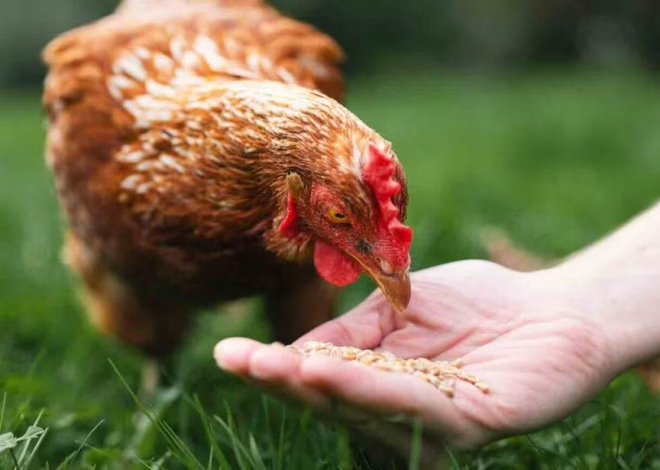
Backyard chicken keepers are accidentally depriving their flocks of the nutrients they need to be healthy and productive by offering too many dietary extras in addition to their nutritionally complete commercial layer feed. Anything laying hens eat that is not layer feed — including vegetables, fruits, mealworms, table scraps, and grubs — has the effect of diluting the nutrient balance in their feed.
This is the mistake that catches the most devoted, attentive chicken keepers because the treats feel like kindness and the hens respond to them with visible enthusiasm. When scratch grain and kitchen scraps displace a substantial share of the formulated ration, nutrient intake becomes less predictable and laying may suffer. Use an age-appropriate complete layer ration as the dietary foundation. A simple conservative rule is to keep treats small—often around 10% or less of intake—while watching body condition and shell quality.
Reason 4 — She Has Gone Broody and Has No Interest in Your Eggs
A broody hen has one job on her mind, and it is not filling your nesting box — it is hatching babies. She will sit on eggs, claim every nesting box she can access, growl at anyone who approaches, and refuse to lay new eggs until she either hatches something or snaps out of it. A broody hen is a hen who thinks she wants to be a momma. You will usually find her sitting on a pile of eggs that she has swiped before you can get there to collect them.
If you want chicks, let her work. If you do not, you need to break the broodiness promptly because a broody hen sitting in a nesting box also discourages other hens from laying in that box. The most effective method is a broody-breaker cage — a wire-bottomed elevated cage where the hen cannot build a nest, gets good airflow, and has access to food and water but no nesting opportunity. A well-ventilated broody pen with food and water may interrupt the cycle, but timing varies. Check the hen at least daily, protect her from weather and predators, and return her to the flock once broody behavior resolves; laying may take time to resume.
Reason 5 — She Is Stressed, and Her Body Has Shut Production Down as a Survival Response
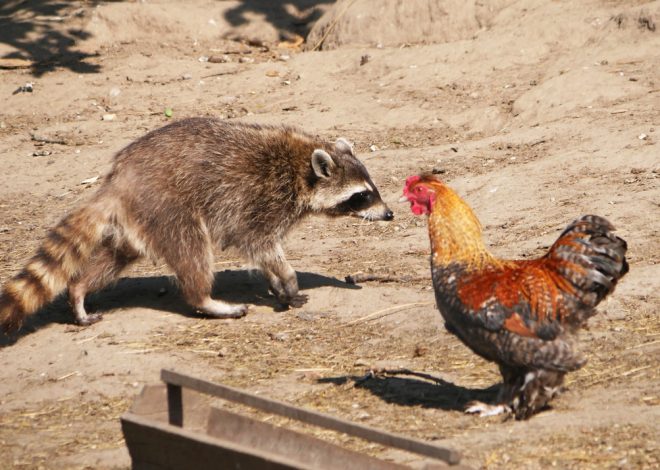
If birds are stressed, egg production may suffer. Stress comes in many forms — predators, overcrowding, aggressive hens, loud noises, too much heat or cold, poor nutrition, and illness.
The stress response in chickens is a biological shutdown of non-essential functions, and reproduction is considered non-essential when the body is under threat. Repeated predator pressure can contribute to a temporary decline, but an exact ten-day response cannot be predicted. A new flock member that has disrupted the pecking order creates enough social stress to pause production across multiple hens. Even construction noise or a change in routine can trigger a temporary lay pause. Walk through your flock’s environment with fresh eyes, looking for anything that has changed recently — new animals nearby, changes in their daily schedule, temperature extremes, or crowding — and address it. Removing a stressor supports recovery, but persistence or additional symptoms warrants a health assessment.
Reason 6 — She Is Dehydrated, and Eggs Require a Significant Amount of Water to Form
An egg is approximately 74% water. A hen that does not have continuous access to clean, fresh water simply does not have the biological material she needs to form an egg, regardless of how good her feed is or how much light she gets. Hens stop laying eggs for several reasons, including dehydration. A common problem is failing to provide a constant source of fresh water, especially during the coldest months when the water can freeze.
Check your waterer twice daily in summer when evaporation is high, and heat reduces the hen’s tolerance for even mild dehydration, and twice in winter when freezing can cut off the water supply silently overnight. Even a relatively brief interruption can affect laying, and heat makes dehydration more dangerous. Restore clean water promptly and seek help for birds that remain weak or do not drink. This is one of the simplest problems to prevent and one of the most easily overlooked precisely because of its simplicity.
Reason 7 — She Is Getting Older, and Her Production Has Naturally Declined
As hens age, their egg production naturally slows down. Most chickens lay the highest number of eggs during their first two years, with gradual declines thereafter. By four to five years old, many hens lay less often, although individual birds vary widely. This process is entirely normal.
A hen is born with all the eggs she will ever have. She does not run out of eggs — what happens is that the efficiency of her reproductive system gradually declines with age. This is not something you can reverse, but it is something you can plan for. Introducing new pullets annually ensures your flock always has a cohort of young, high-production birds carrying the bulk of your egg supply while older hens are allowed to slow down naturally. Track the age of every bird in your flock, and you will never be surprised by age-related production drops again.
When to Suspect More Than a Routine Pause
Look beyond routine causes if a hen is lethargic, not eating, losing weight, straining, repeatedly visiting the nest, walking upright like a penguin, producing abnormal discharge, breathing poorly, or showing a swollen abdomen. Isolate an obviously ill bird for observation and contact an avian veterinarian. For a fuller step-by-step assessment, use the linked laying checklist below.
Sources and further reading
- Oregon State University Extension: Why did my chickens stop laying?
- Oregon State University Extension: How to feed your laying hens
Continue Exploring Your Backyard Flock
Use these closely related guides to plan your next steps:
2 thoughts on “7 Common Reasons Chickens Stop Laying Eggs—and What to Check”
Comments are closed.