
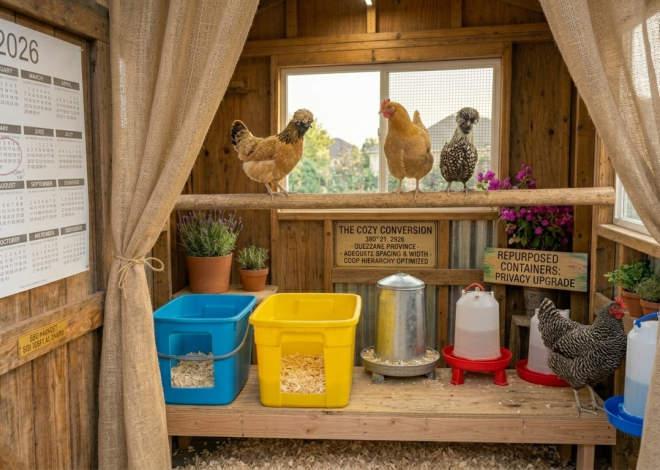




12 Chicken Coop Interior Ideas That Balance Beauty and Function
Somewhere between “practical livestock housing” and “the cutest room in the whole farmyard,” there exists a category of chicken coop interior that stops people mid-scroll every single time. We’ve rounded up 12 of the most beautiful, functional, and genuinely inspiring inside chicken coop designs on the internet — and fair warning: after seeing these, a basic plywood box will never feel like enough again.
Whether you’re building from scratch, upgrading an existing setup, or just here for the chicken coop aesthetics (no judgment — they’re incredible), you’re in exactly the right place.
1. The Rustic Farmhouse Interior
This is the classic inside chicken coop look that takes over Pinterest every single autumn — and it earns its popularity entirely. Raw wood walls, exposed timber roosts, straw-lined nesting boxes built into the wall, and just enough natural light to make the whole space glow.
Free Backyard Flock Checklist
Planning the rest of your flock setup?
Turn your coop-size estimate into a complete setup plan with our free equipment and preparation checklist.
The key to this aesthetic is simplicity. Reclaimed wood shelving, a whitewashed plank wall or two, a hand-painted sign above the nesting boxes (because why not) — all of it adds up to a space that feels intentional rather than accidental.
Why it works: The warm, organic textures read beautifully in photos and feel genuinely cozy to be in. It’s the chicken house aesthetic that converts casual interest into dedicated chicken-keeping faster than anything else.
Pro tip: Use pine shavings instead of straw on the floor if you want the clean, dry look this interior is known for. Straw is beautiful but holds moisture — pine shavings photograph cleaner and are actually better for your flock’s respiratory health.
2. The Organized Nesting Box Wall
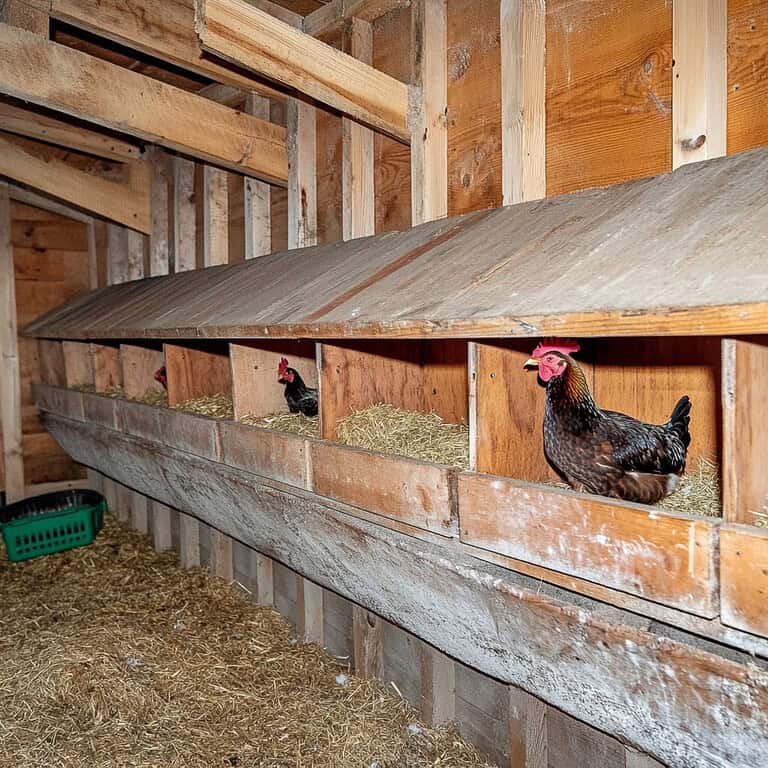
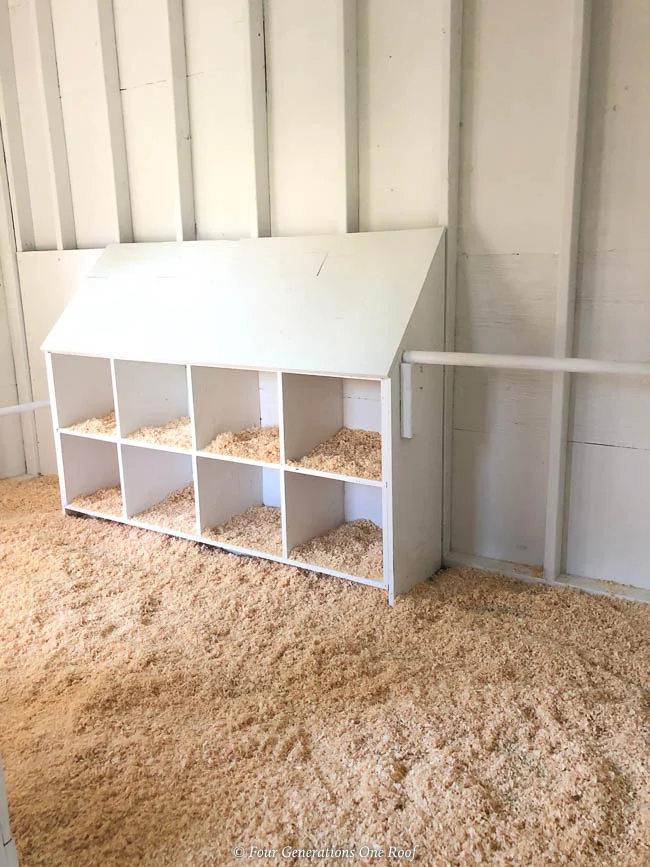
Walk into a well-designed chicken coop and the nesting box wall is almost always the first thing that grabs attention. A row of evenly spaced wooden boxes, each lined with soft nesting material, painted in coordinating tones, sometimes labeled with little chalkboard signs — it’s a genuinely satisfying thing to look at.
The practical standard is one nesting box for every four hens. Most designers and chicken keepers recommend boxes that are roughly 12 by 12 inches and positioned at least 18 inches off the ground. Mounting them in a row with a slightly angled or flat lid above creates a clean, architectural look while making egg collection easy.
Why it works: A clean nesting box wall is the most-shared inside chicken coop image type on Pinterest, period. It’s visual, it’s aspirational, and it makes even non-farmers want to have chickens immediately.
Pro tip: Add a small bunch of dried lavender or rosemary to each box. It smells wonderful, naturally deters mites, and makes your nesting boxes look like something out of a farmhouse catalog.
3. The Walk-In Design with Full Room Feel
Some chicken coops are boxes. Others are rooms. The walk-in coop design treats the interior as a genuine livable space — high enough ceilings to stand comfortably, multiple roost levels, a dedicated feeding station, and sometimes even a small workbench for storing supplies.
This style is particularly popular among serious backyard farmers with larger flocks and among anyone who spends significant time inside their chicken house daily for egg collection, cleaning, and flock health checks. When you’re in there frequently, it’s worth making it functional and pleasant.
Why it works: Beyond aesthetics, walk-in coops are dramatically easier to clean and maintain. Less bending, more accessibility, and room to actually observe your flock’s behavior properly.
4. The Modern Minimalist Coop
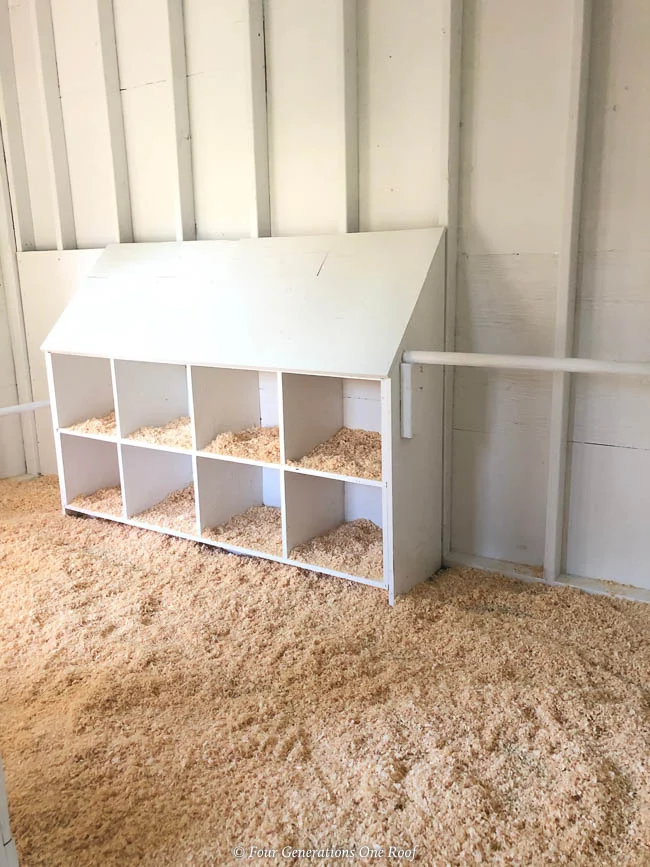
Not every chicken keeper wants the rustic farmhouse look. The modern minimalist chicken coop interior is clean-lined, with painted surfaces (typically white, sage, or charcoal), geometric roost arrangements, and hardware-store components elevated through thoughtful placement.
The inside of this chicken coop style looks almost clinical compared to the cozy farmhouse aesthetic — but it’s extremely effective and produces some of the most striking photos. The contrast of white walls against the warm tones of straw and feathers is genuinely beautiful.
Why it works: Modern and minimalist chicken coop aesthetics are gaining fast on Pinterest as younger farmers bring design sensibility to traditional farm setups. It photographs cleanly and appeals to a wider, design-conscious audience.
5. The Herb Garden Integration
This is one of the most genuinely brilliant inside chicken coop design ideas making the rounds right now. A small shelf or window box mounted near the coop entrance grows herbs that pull double duty: they’re beautiful and aromatic in the coop space, and certain varieties — lavender, mint, thyme, oregano — offer real health benefits to your flock. Chickens will peck at them freely, supporting immune health and naturally discouraging pests.
It requires almost no extra space and dramatically elevates the look and smell of any chicken house interior.
Why it works: The visual of green herbs growing inside a wood-and-straw coop space is immediately shareable. It also positions your content firmly at the intersection of farm life, natural living, and chicken keeping — three Pinterest audiences in one image.
6. The Custom Painted Feature Wall
A single accent wall inside the chicken coop — painted in a deep botanical green, a rich barn red, or a soft muted sage — instantly transforms even a basic structure into something with genuine design intention. Add a painted roost silhouette, a simple mural, or just clean painted wood planks in a contrasting color against raw wood walls.
More chicken keepers than you’d expect take this step, and the before-and-after photos are consistently among the highest-performing inside chicken coop inspo posts online.
7. The Multi-Level Roost System
Chickens naturally want to roost as high as possible — it’s an instinct from thousands of years of predator avoidance. A well-designed multi-level roost system inside the chicken coop honors this instinct while creating a visually interesting vertical dimension in the space.
Staggered roost bars at different heights, arranged so that higher birds can’t poop on lower birds, give every member of the flock their preferred spot while making the interior feel dynamic and considered rather than sparse.
Why it works: In motion photos or video, a full flock settled on a multi-level roost system is one of the most visually compelling things in chicken-keeping content. Still images show beautiful natural layering.
8. The Window Light Setup
Natural light inside a chicken coop isn’t just aesthetic — it’s genuinely important for hen health and egg production. But the coops that make this look intentional rather than incidental do something specific: they frame the window, add a small flower box or herb container below it, and keep the area immediately around it clean and uncluttered.
A single well-lit window with morning light streaming through it produces the most compelling inside chicken coop photography possible. Every serious chicken coop content creator knows this.
9. The Chalkboard Feature
A small chalkboard mounted inside or just outside the chicken house tracks egg counts, notes health observations, or just says something charming about the flock. It’s a small detail that communicates genuine care and attention, and in photos, it adds a layer of farm-life storytelling that audiences respond to strongly.
Personalized details like this — naming the nesting boxes after the individual hens, writing the date of the last cleaning, tracking weekly egg counts — transform an inside chicken coop from a utilitarian structure into a genuine farm life narrative.
10. The Seasonal Décor Approach
Pumpkins by the door in October. A small wreath of dried herbs in summer. Fresh holly near the roost in December. Chicken keepers who treat their coop interior as a seasonally decorated space generate consistent, repeatable content that performs reliably throughout the calendar year.
It takes almost no investment — a few seasonal foraged materials, the coop itself, and decent natural light — and produces Pinterest-optimized images that resonate with the farm life aesthetic audience year-round.
11. The Feed Station Setup
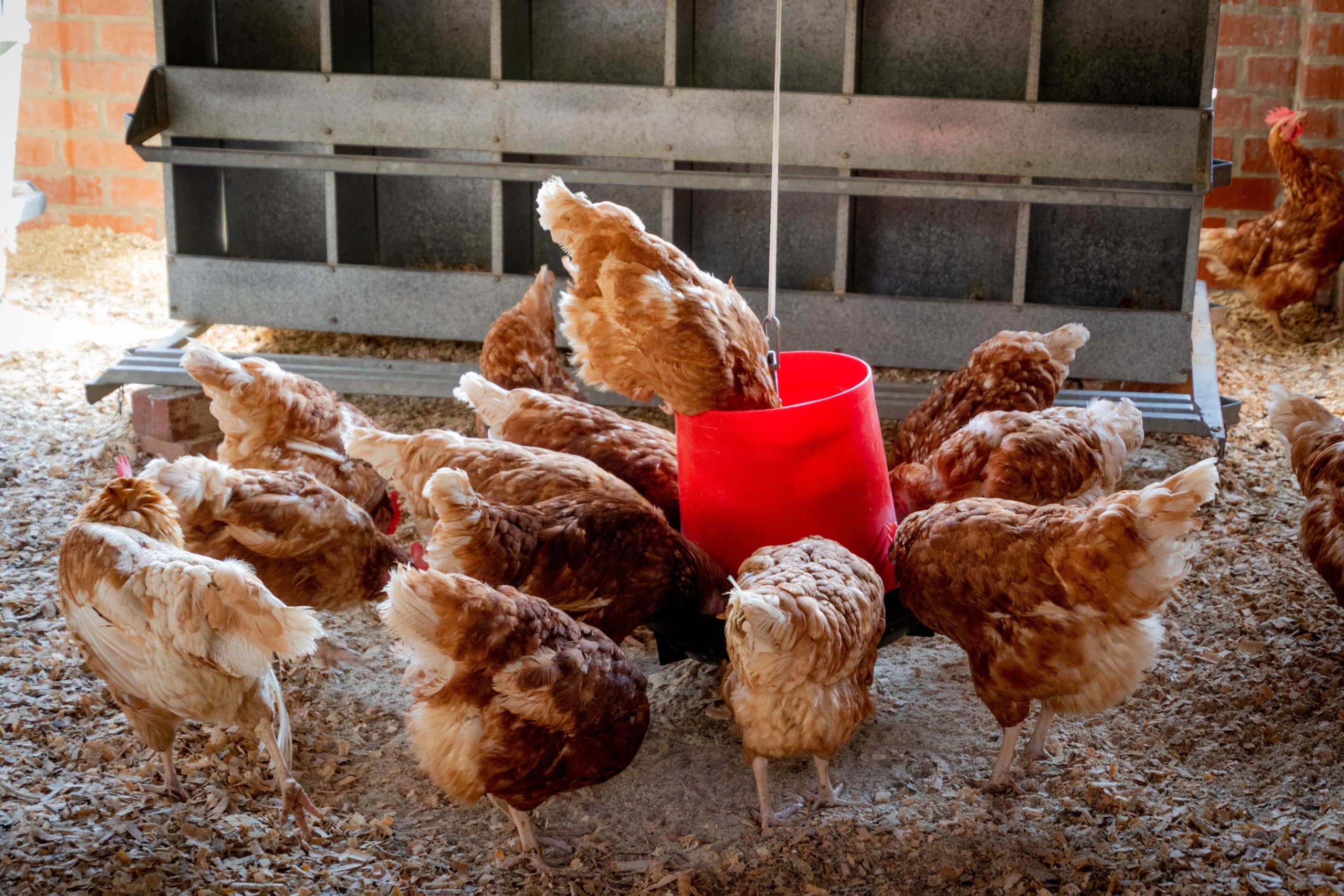
A dedicated, organized feed station — hanging feeders at the right height, a clean water setup, perhaps a small shelf for supplement containers — brings structure to the inside of the chicken coop that casual setups lack. Organized feed stations significantly reduce waste, keep the floor cleaner, and make the daily feeding routine genuinely faster.
They also photograph far better than feed scattered on the floor, and the organized-coop aesthetic they create is consistently popular in the chicken coop aesthetics space online.
12. The Whole Flock Moment
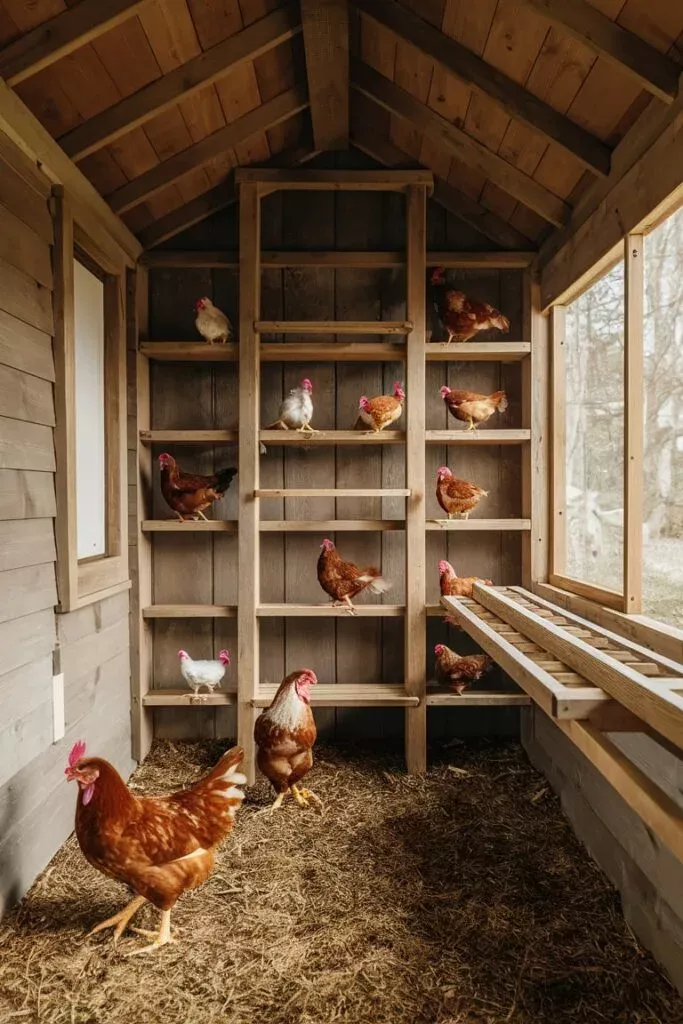
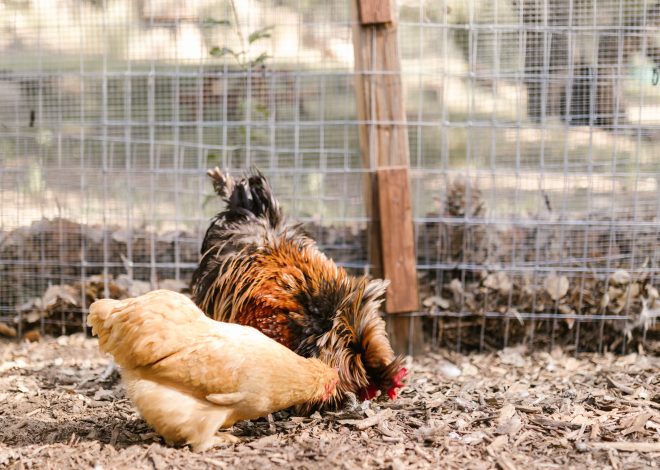
The single most shareable inside chicken coop image type isn’t the empty, decorated interior. It’s the full flock in residence — hens settled on roosts, in nesting boxes, pecking around a clean floor, going about their day in a genuinely beautiful space. The combination of a well-designed coop interior and the natural, chaotic charm of real chickens going about their lives is something that no amount of staging can replicate.
This is what distinguishes chicken coop content that gets saved once from content that gets saved and shared for years.
Final Thoughts
The best inside chicken coop isn’t the most expensive or the most elaborate. It’s the one that clearly reflects genuine care for the flock, for the space, and for the small daily rituals of farm life. If these ideas sparked something, save this to your farm board and share it with anyone who’s about to build their first coop. They’re going to want to do this right.
Design from the bird’s level
Before adding decorative elements, inspect the interior at roost and floor height. Birds need clean air, dry footing, secure roosts, accessible nests, and surfaces that do not trap mites or make sanitation difficult. Avoid loose textiles, exposed cords, sharp wire, flaking paint, and shelves that collect droppings above feeders or waterers.
Sources and further reading
- University of Minnesota Extension: Raising chickens for eggs
- CDC: Backyard Poultry and Public Health
- Utah State University Extension: Poultry resources
Continue Exploring Your Backyard Flock
Use these closely related guides to plan your next steps:
One thought on “12 Chicken Coop Interior Ideas That Balance Beauty and Function”
Comments are closed.