




4 Easy Steps to Compost Chicken Manure (Complete Beginner’s Guide)
Chicken manure is one of the most powerful natural fertilizers you can use—but only if it’s handled correctly. Fresh manure is too strong for plants and can actually burn roots due to its high nitrogen content. The solution? Composting.
This guide outlines four practical steps for composting poultry litter while reducing—not eliminating—pathogen and plant-burn risks.
Why Compost Chicken Manure?
Before diving into the steps, it’s important to understand why composting is essential.
Free Backyard Flock Checklist
Planning the rest of your flock setup?
Turn your coop-size estimate into a complete setup plan with our free equipment and preparation checklist.
Raw chicken manure:
- Contains very high nitrogen levels
- May carry harmful bacteria like E. coli or Salmonella
- Can damage plants if applied directly
Composting solves all of these issues by:
- Breaking down harmful pathogens
- Stabilizing nutrients for plant absorption
- Creating a balanced organic fertilizer
What You’ll Need
To get started, gather these simple materials:
- Chicken manure (fresh or dried)
- Carbon-rich materials (straw, dried leaves, sawdust, shredded paper)
- Water
- A compost bin or pile area
- A compost thermometer
A pitchfork or shovel
The key to success lies in balancing nitrogen (manure) with carbon materials.
Step 1: Collect and Balance Your Materials
Chicken manure is classified as a “green” (nitrogen-rich) material. To compost it properly, you need to mix it with “brown” (carbon-rich) materials.
Ideal ratio:
- 1 part chicken manure
- 2–3 parts carbon material
Good carbon sources include:
- Straw or hay
- Dry leaves
- Wood shavings
- Cardboard or paper
This balance prevents bad odors and ensures proper decomposition.
Step 2: Build Your Compost Pile
Choose a dry, well-drained area for your compost pile or use a bin.
Layer your materials like this:
- Start with a carbon layer (for airflow)
- Add a layer of chicken manure
- Cover again with carbon material
Repeat these layers until your pile is at least 3 feet tall. This size helps generate enough heat for effective composting.
Pro Tip: Avoid compacting the pile—airflow is critical.
Step 3: Maintain Moisture and Turn Regularly
Your compost pile should feel like a damp sponge—not too wet, not too dry.
- If it’s dry → add water
- If it’s soggy → add more carbon material
Turn the pile every 1–2 weeks using a shovel or fork. This:
- Introduces oxygen
- Speeds up decomposition
- Prevents foul odors
Within a few days, your pile should heat up internally. Measure the center with a compost thermometer. Heat can reduce pathogens and weed seeds only when the required temperature is reached throughout the material for enough time; the cooler outer material must be turned into the center.
Step 4: Let It Cure (Don’t Rush This Step)
The active phase may take weeks or longer depending on volume, carbon balance, moisture, weather, and turning. Do not use elapsed time alone to decide that poultry-manure compost is ready. At this point, it needs time to cure.
Curing time: 1–3 months
Finished compost should:
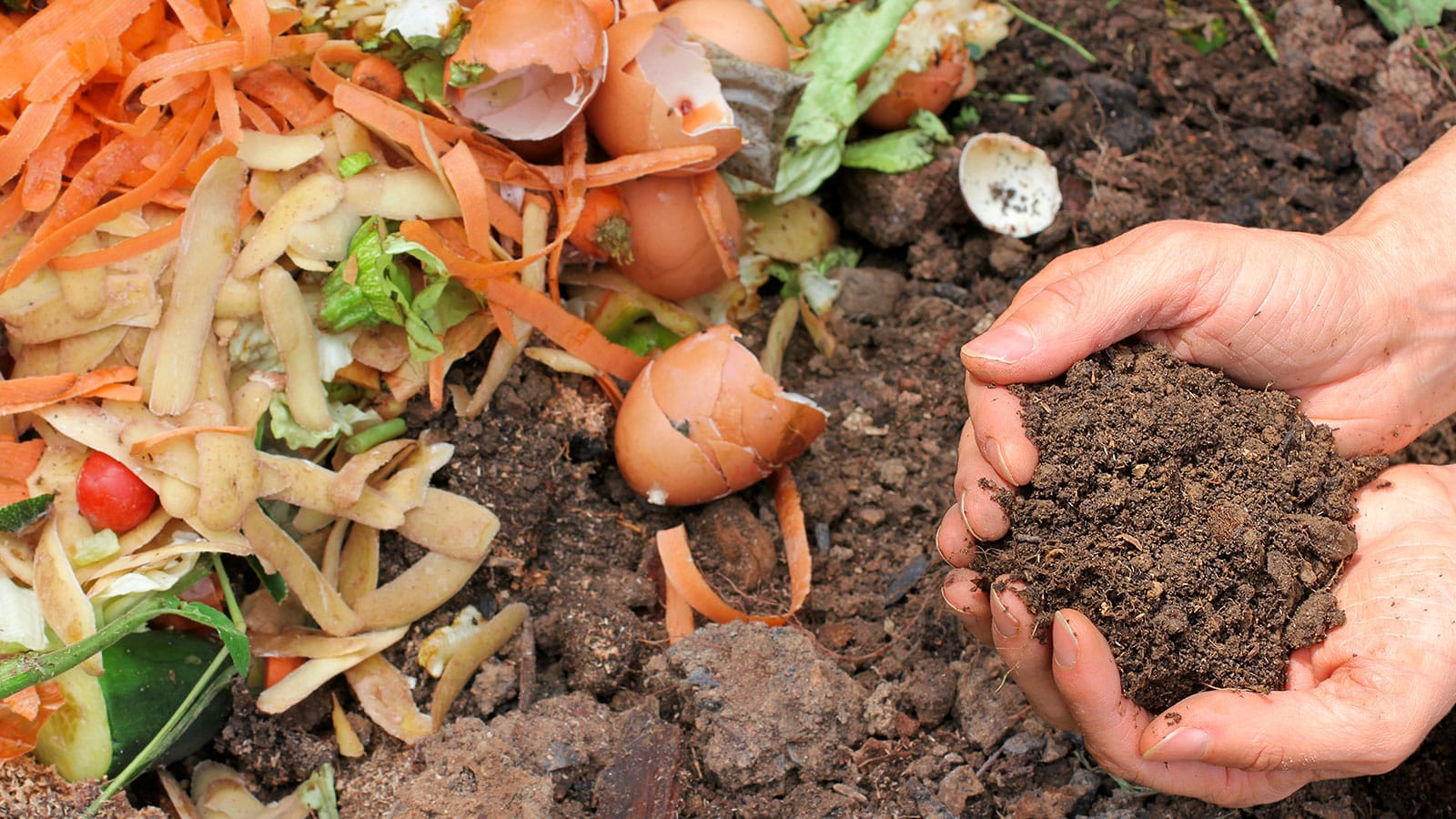
- Be dark, crumbly, and soil-like
- Has an earthy smell (not foul)
- Contain no recognizable manure or bedding
Using compost too early can harm plants, so patience is key.
How to Use Composted Chicken Manure
Finished poultry-manure compost can be a nutrient-rich soil amendment, but nutrient content varies and excessive application can add too much nitrogen, phosphorus, or salt.
You can:
- Mix it into garden soil before planting
- Use it as a top dressing around plants
- Add it to raised beds or containers
Application tip:
Use moderately—this compost is nutrient-dense.
Wear gloves when handling fresh litter, keep the pile inaccessible to children and pets, wash hands afterward, and do not allow runoff to reach drains or waterways.
Common Mistakes to Avoid
Even though the process is simple, avoid these common errors:
- ❌ Using fresh manure directly on plants
- ❌ Skipping the carbon materials
- ❌ Letting the pile dry out completely
- ❌ Not turning the compost
- ❌ Using compost before it fully cures
Final Thoughts
Composting chicken manure is manageable, but safe results require more than simply aging a pile: monitor temperature, moisture, turning, and curing. With just a little effort, you can transform waste into a rich, organic fertilizer that boosts soil health and plant growth.
Follow the process consistently, keep records of pile temperatures and turns, and let the compost cure fully before use.
Sources and further reading
- University of Nevada, Reno Extension: Using chicken manure safely in home gardens
- Penn State Extension: Composting poultry manure to reduce pathogens
Continue Exploring Your Backyard Flock
Use these closely related guides to plan your next steps:
One thought on “4 Easy Steps to Compost Chicken Manure (Complete Beginner’s Guide)”
Comments are closed.