





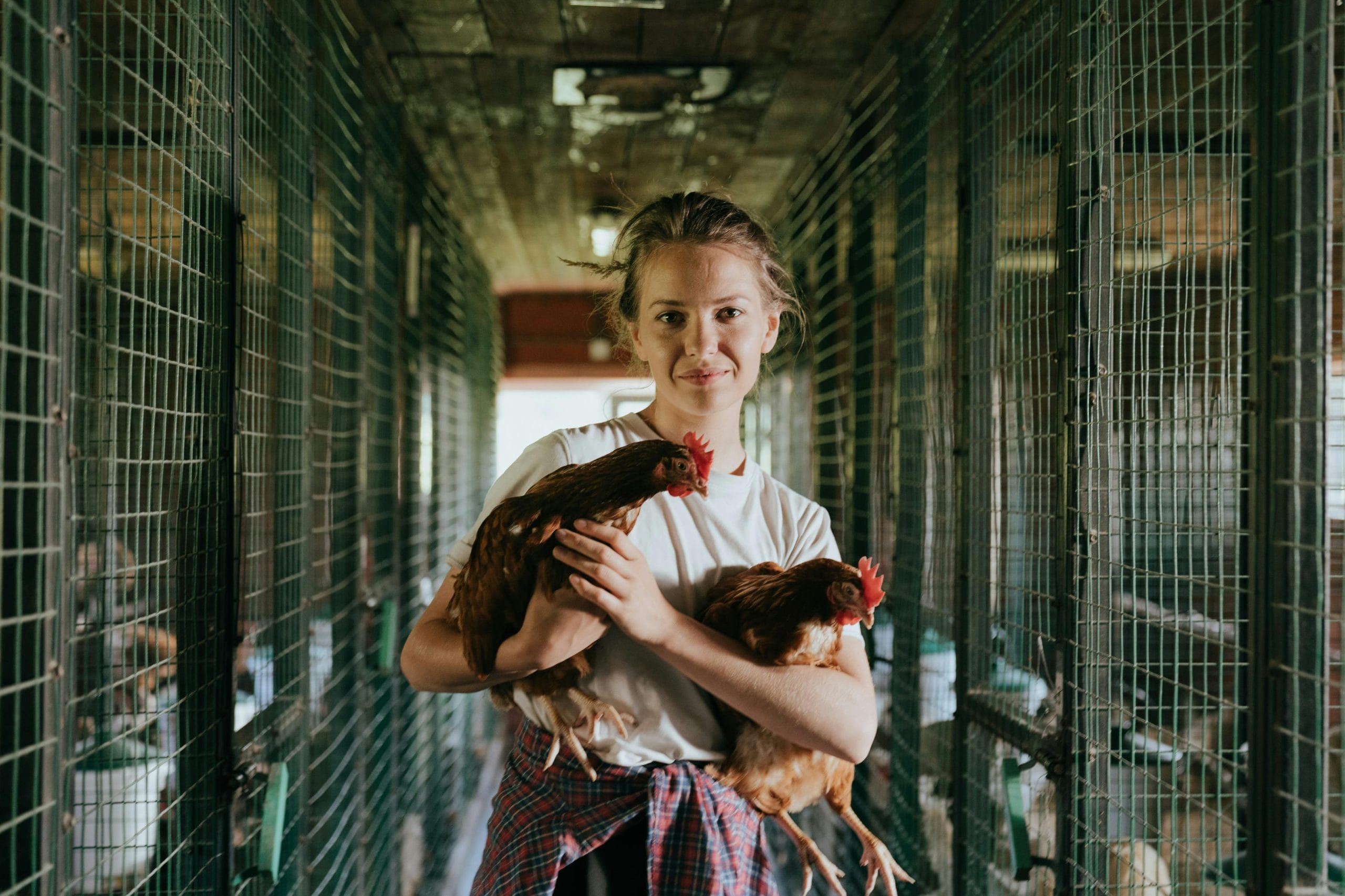
The Honest Reality of Backyard Life With Chickens
The photographs of farm life with chickens are beautiful. Golden hour, fluffy hens, fresh eggs in a wicker basket. And those things are real — they happen regularly, and they are as good as they look. But there are things that happen between the golden-hour photographs that don’t quite make it to the feed, and a fully honest guide to keeping chickens for the first time has to include all of it.
Here is what farm life with chickens actually looks like, in its entirety.
The Morning Routine Is Non-Negotiable
Farm life with chickens begins before anything else in your day. Before coffee, before checking your phone, before deciding whether you feel like it — the coop gets opened. Chickens are creatures of extraordinary routine, and their biological needs do not negotiate with your schedule.

Free Backyard Flock Checklist
Planning the rest of your flock setup?
Turn your coop-size estimate into a complete setup plan with our free equipment and preparation checklist.
In summer, this means an early alarm. In winter, it means an early alarm in the dark and the cold. On the day after a late night, it means an early alarm. This is the commitment that nobody mentions prominently in the getting-started guides, and it is also, paradoxically, one of the things that chicken keepers consistently describe as one of the most grounding parts of the experience. Something living needs you. That turns out to matter more than most people expect.
You Will Lose a Chicken
Not immediately, and perhaps not for a long time. But almost every person who keeps chickens eventually loses one — to illness, to a predator, to old age, to causes unknown. This is a fact of farm life with animals of any kind, and chickens are no exception.
The first loss tends to hit harder than new keepers anticipate. Even people who approached chicken keeping with practical, eggs-focused pragmatism often find themselves surprised by how much they care about a specific bird. This is not a weakness. It’s the natural consequence of daily care and observation, forming genuine attachment.
Know that it will likely happen, have a plan for how you’ll handle it, and understand that it doesn’t mean you’ve done something wrong or that farm life isn’t for you. It means you are raising living animals, which involves the full spectrum of what living animals do.
The Eggs Are Better Than You’re Imagining
People tell you the eggs from your own hens will be better than store-bought eggs. They are right, and they are still underselling it. The yolk is deeper yellow — sometimes almost orange — the white is firmer, and the flavor is richer in a way that makes grocery store eggs taste like a different product entirely.
The first time you crack an egg from your own flock into a pan and see that yolk, you will understand immediately what all the fuss is about. And you will never fully go back. This is not sentimentality — it’s just what happens to the palate once it has experienced the real thing.
Chickens Have Personalities, and You Will Know All of Them
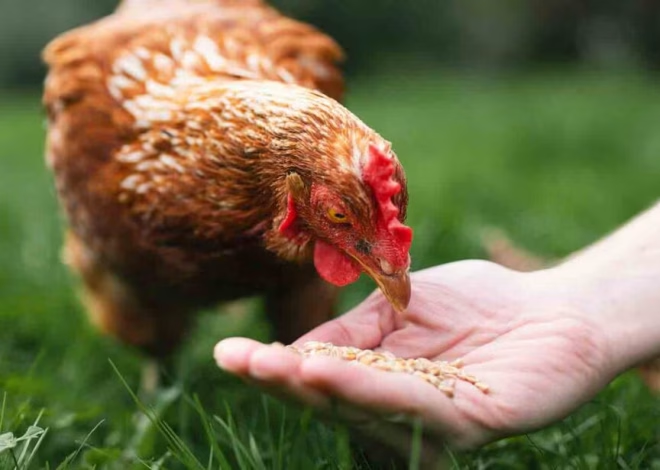
This is the part that surprises people most reliably. Within a few weeks of your flock’s arrival, you will know which hen runs to you first when you appear with kitchen scraps, which one always lays in the same nesting box, which one is curious and investigates everything, and which one is perpetually suspicious of change and takes two days to adjust to any new development.
You will give them names. You will develop favorites, feel slightly guilty about it, and do it anyway. The hen who follows you around the coop while you clean will become a character in stories you tell at dinner parties. Farm life with chickens is more socially rich than most people expect from a relationship with a bird.
The Routine Becomes a Rhythm
By the end of the first month, the daily rhythm of chicken keeping stops feeling like a task and starts feeling like a sequence. Open the coop, check the water, collect any early eggs, and observe the flock for anything unusual. Close the coop at dusk. It takes minutes, and it anchors the day in a way that is quietly profound.
Keepers who have had flocks for years consistently describe this rhythm as one of the most valuable things chickens bring to their lives. Not the eggs, not the aesthetics, not the permaculture benefits — the rhythm. The daily moment of contact with something real and living and dependent.
The Practical Realities Are Manageable
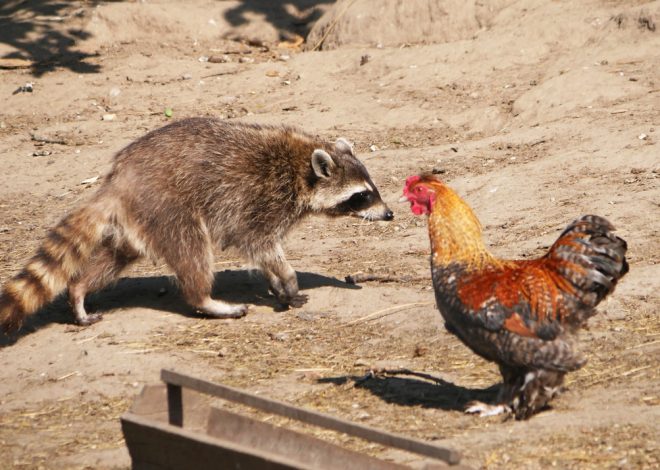
Poop is real and plentiful. Chickens scratch up garden beds given the opportunity. Feed bags are heavy. Predator threats are constant and require consistent vigilance. The coop needs cleaning, whether or not your week was hard. Medical situations arise.
None of these realities is prohibitive. They are manageable with the right systems, the right setup, and the right expectations going in. Chicken keeping is not complicated. But it is consistent, and the people who find it most rewarding are typically the ones who understood the consistency required before they began.
Final Thoughts
Farm life with chickens is not the curated golden-hour version in the photographs, and it is not the relentless work that skeptics describe. It is something in between — a daily commitment that becomes a daily joy, a living system that gives back more than it takes, and a genuinely transformative addition to the rhythm of ordinary life. If you’re on the fence, this is your nudge. Go get the chickens.
The less photogenic responsibilities matter
Daily poultry care also means manure management, muddy weather, predator planning, occasional illness, and handwashing after contact with birds or their environment. Children should be supervised around the flock, and poultry should stay outside the home and away from food-preparation areas. These routines protect both the birds and the people who enjoy them.
Sources and further reading
- University of Minnesota Extension: Raising chickens for eggs
- CDC: Backyard Poultry and Public Health
- Utah State University Extension: Poultry resources
Continue Exploring Your Backyard Flock
Use these closely related guides to plan your next steps:
3 thoughts on “The Honest Reality of Backyard Life With Chickens”
Comments are closed.