


From Zero to Flock: Raising Chickens Successfully in a Small Space
There is a particular kind of life that many people quietly imagine — mornings in the garden, chickens moving through the yard in their unhurried way, the specific pleasure of collecting eggs that came from birds you raised yourself. A farm with chickens, even a small one, even one that exists in a suburban backyard behind a regular fence, is more achievable than most people believe. And once you have it, the question you will ask yourself most often is why you waited.
This is the guide for people who are ready to stop imagining and start building.
What Does a Farm with Chickens Actually Require?
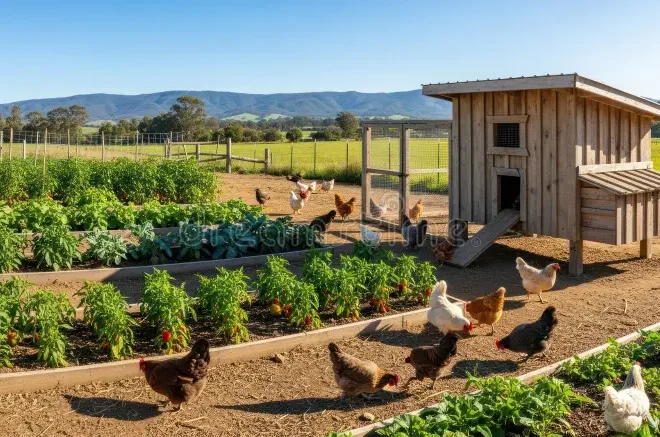
Less than most people think. The romanticized vision — acres of land, a big red barn, endless pastoral landscape — is one version of a farm with chickens. But a backyard of almost any reasonable size can support a small flock of four to eight hens, a properly built chicken house, and everything that comes with it.
Free Backyard Flock Checklist
Planning the rest of your flock setup?
Turn your coop-size estimate into a complete setup plan with our free equipment and preparation checklist.
The realistic minimum: roughly 40 to 50 square feet of outdoor run space and a 20 to 30 square foot coop for four to six birds. A standard suburban backyard can accommodate this without meaningful sacrifice of existing space.
Before acquiring any chickens, check your local municipality or HOA regulations. Most urban and suburban jurisdictions permit small backyard flocks of hens; roosters are where restrictions typically apply, due to noise. Many areas allow six to eight hens without any special permit.
The Three Things That Actually Make Farm Life with Chickens Work
People who struggle with backyard chickens almost always trace the difficulty to one of three things. Get these right and everything else falls into place naturally.
The coop. This is non-negotiable. A secure, well-ventilated, correctly sized chicken coop is the foundation that everything else rests on. Cutting corners here leads to predator losses, respiratory health issues, behavioral problems from overcrowding, and egg production problems. Spend more here than you think you need to. You will not regret it.
The routine. Chickens thrive on consistency. Opening the coop at the same time each morning, closing it at dusk, feeding and watering at regular intervals — this predictability reduces stress in the flock and makes chicken keeping genuinely easy rather than effortful. Build the routine in the first week and maintain it.
The right breed for your specific situation. A cold-climate farm needs different chickens than a warm one. A family with young children needs calmer, more manageable birds than a single adult who wants maximum egg production. Match the breed to your reality, and the experience becomes dramatically more rewarding.
What Farm Life with Chickens Produces (Beyond the Eggs)
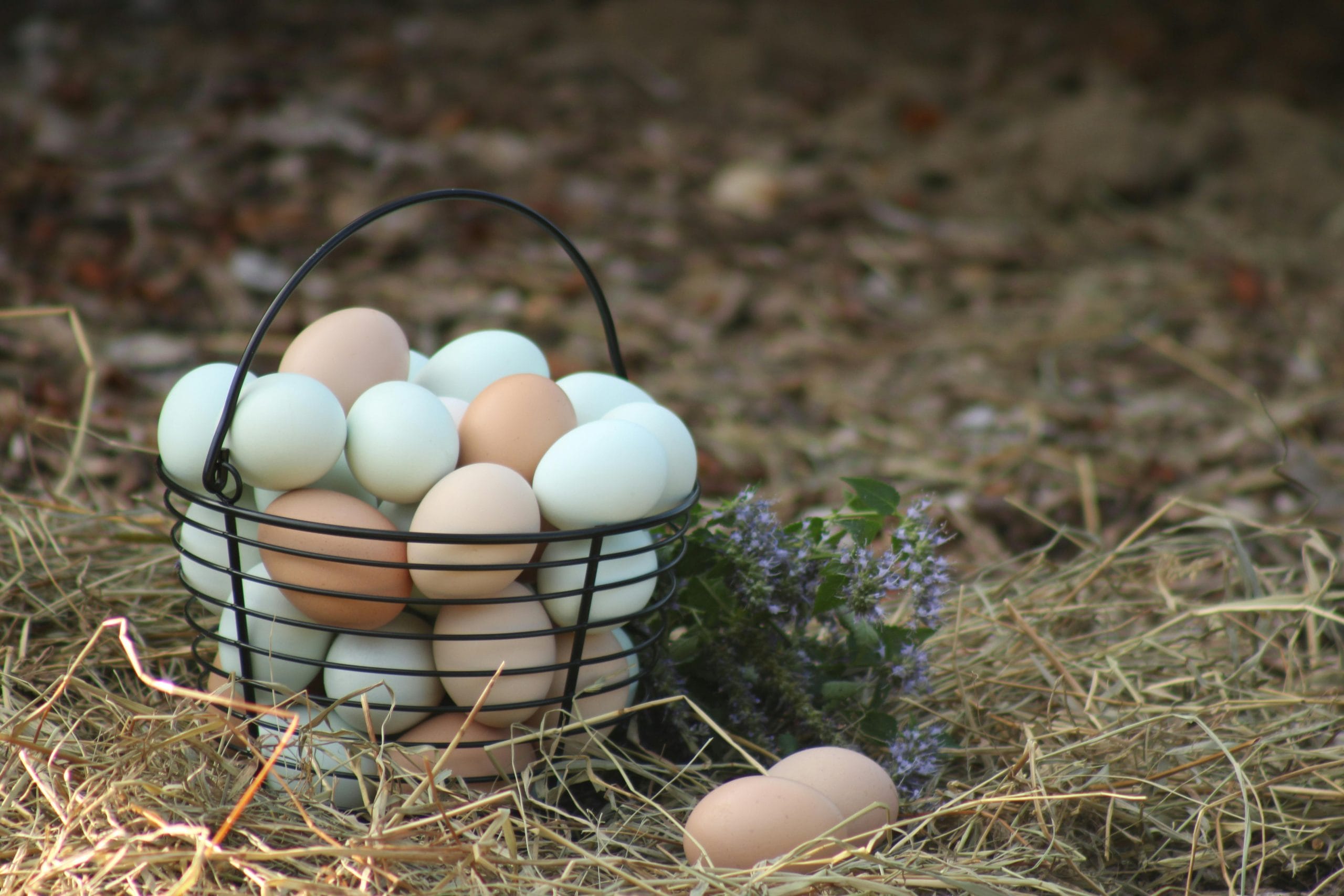
The eggs are real, and they are genuinely superior to store-bought. A properly managed flock of six laying hens produces roughly three to five eggs per day during peak laying season — more than enough for a household of two to four people, with surplus to share or sell.
But the catalogue of what a small farm with chickens actually produces is longer than that.
Natural pest control. Chickens are enthusiastic and effective consumers of insects, grubs, and small pests. A flock in a garden space reduces insect pressure significantly and organically.
Exceptional compost material. Chicken manure mixed with coop bedding is one of the most nitrogen-rich organic fertilizers available. A small flock produces enough material annually to substantially improve the soil health of a home garden.
A genuine food system. Even a very small farm with chickens changes the household’s relationship with food in ways that are difficult to fully anticipate in advance. The connection between the living animal, the care you provide, and the food that results creates a different kind of engagement with eating that most people describe as deeply satisfying.
Community. Chicken keepers find each other. Neighbors become curious. Children from nearby families come to help collect eggs. The birds become a point of connection in ways that are both surprising and consistently noted by everyone who raises a flock.
Starting Small: The Four-Hen Farm
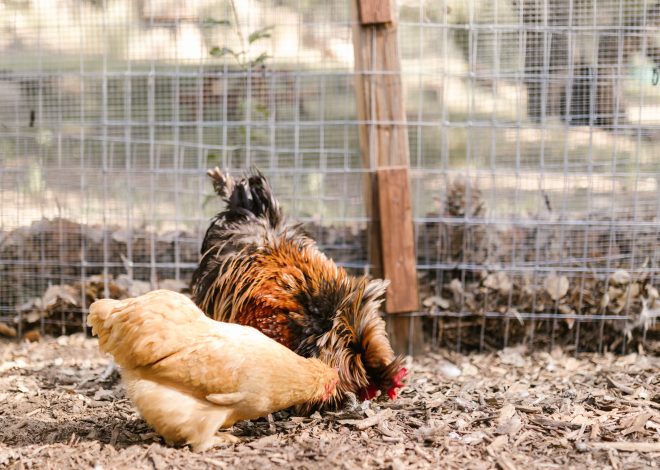
The ideal beginner farm with chickens is smaller than most people initially envision. Four hens is the sweet spot for starting — enough to give you the full flock dynamics and consistent egg production you want, manageable enough that mistakes (and there will be a few) don’t become overwhelming.
Four hens of a calm, reliable breed like Buff Orpingtons or Rhode Island Reds, a coop built or purchased to the proper size, a basic routine, and the willingness to observe and learn as you go — this is the complete starter formula.
You can always expand. You will almost certainly want to. What’s known among chicken keepers as “chicken math” — the mysterious process by which four chickens somehow become twelve within eighteen months — is a genuine phenomenon that virtually everyone experiences. Starting with four keeps the entry cost and management load realistic while you develop the skills and routines that make a larger flock effortless.
The Farm Aesthetic That Comes With Chickens
This deserves mention because it is one of the genuinely underrated rewards of a farm with chickens: the visual landscape of your property changes. A well-built chicken house, a flock of beautiful birds moving freely through the yard, a garden that receives the benefits of their natural fertilizer — it all produces a quality of place that photographs magnificently and feels genuinely different to inhabit.
This is not a superficial observation. The aesthetics of farm life with chickens are part of why so many people find the experience deeply satisfying. You have built something, you tend it daily, and it looks like something worth having built.
Final Thoughts
Check the rules before buying birds
Small-space keeping begins with local zoning, homeowner-association rules, setback requirements, flock limits, and rooster restrictions. Then plan the coop, run, feed storage, manure handling, and veterinary options around the number of birds the space can comfortably support—not the maximum number you hope to fit.
Sources and further reading
- University of Minnesota Extension: Raising chickens for eggs
- CDC: Backyard Poultry and Public Health
- Utah State University Extension: Poultry resources
Continue Exploring Your Backyard Flock
Use these closely related guides to plan your next steps:
2 thoughts on “From Zero to Flock: Raising Chickens Successfully in a Small Space”
Comments are closed.