




5 Signs a Pullet May Be Approaching Her First Egg
Waiting for a pullet’s first egg can make every visit to the nesting boxes feel like an event. Age and breed offer a rough expectation, but daylight, nutrition, health, season, and individual development can move the timeline considerably.
Body and behavior often change as a pullet reaches sexual maturity. These five signs can suggest that laying is approaching, but none provides a reliable hour-by-hour or day-by-day countdown.
Sign 1: Increased Interest in Nesting Areas
Free Backyard Flock Checklist
Planning the rest of your flock setup?
Turn your coop-size estimate into a complete setup plan with our free equipment and preparation checklist.
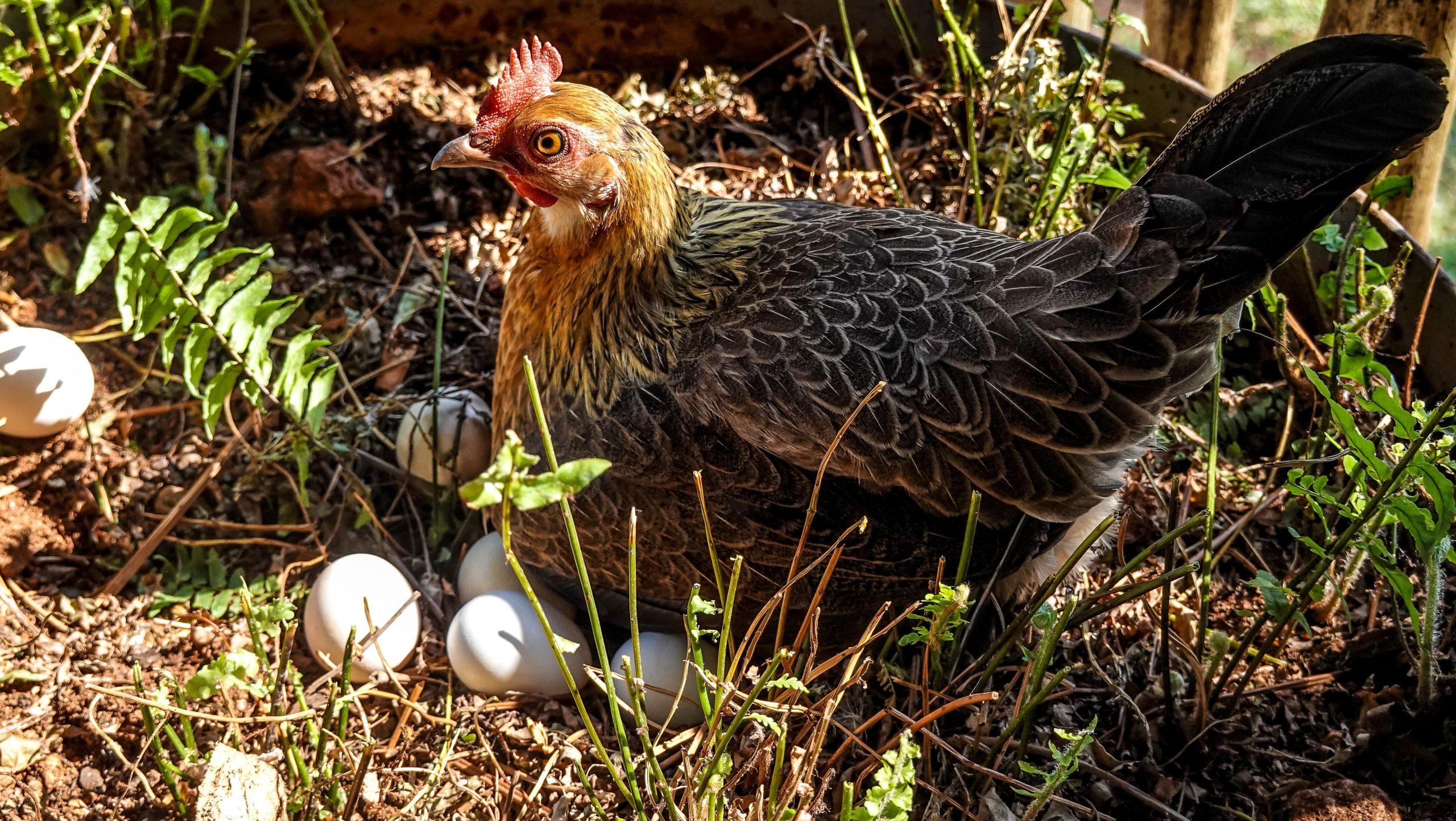
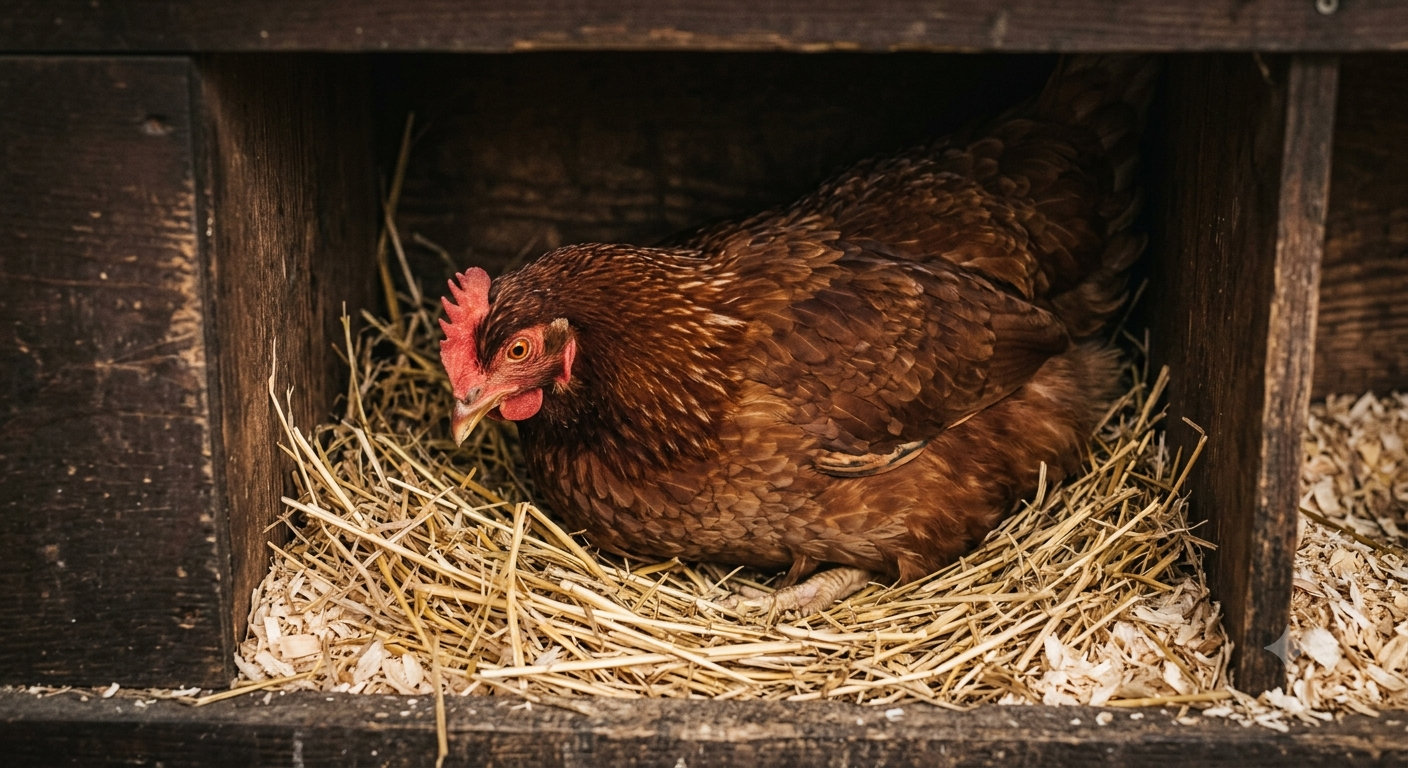
A pullet may begin entering nest boxes, scratching the bedding, sitting briefly, or testing several locations as maturity approaches. Some birds do this well before laying, while others show little obvious investigation and choose an unexpected site.
Treat nesting behavior as one clue alongside age and other changes—not a definitive 24- to 48-hour signal.
What to do: Keep nest boxes clean, dry, quiet, and filled with suitable nesting material. A washable nest egg can help identify the intended site. Avoid small objects that could be swallowed, and collect real eggs regularly.
Sign 2: A Receptive Squatting Posture
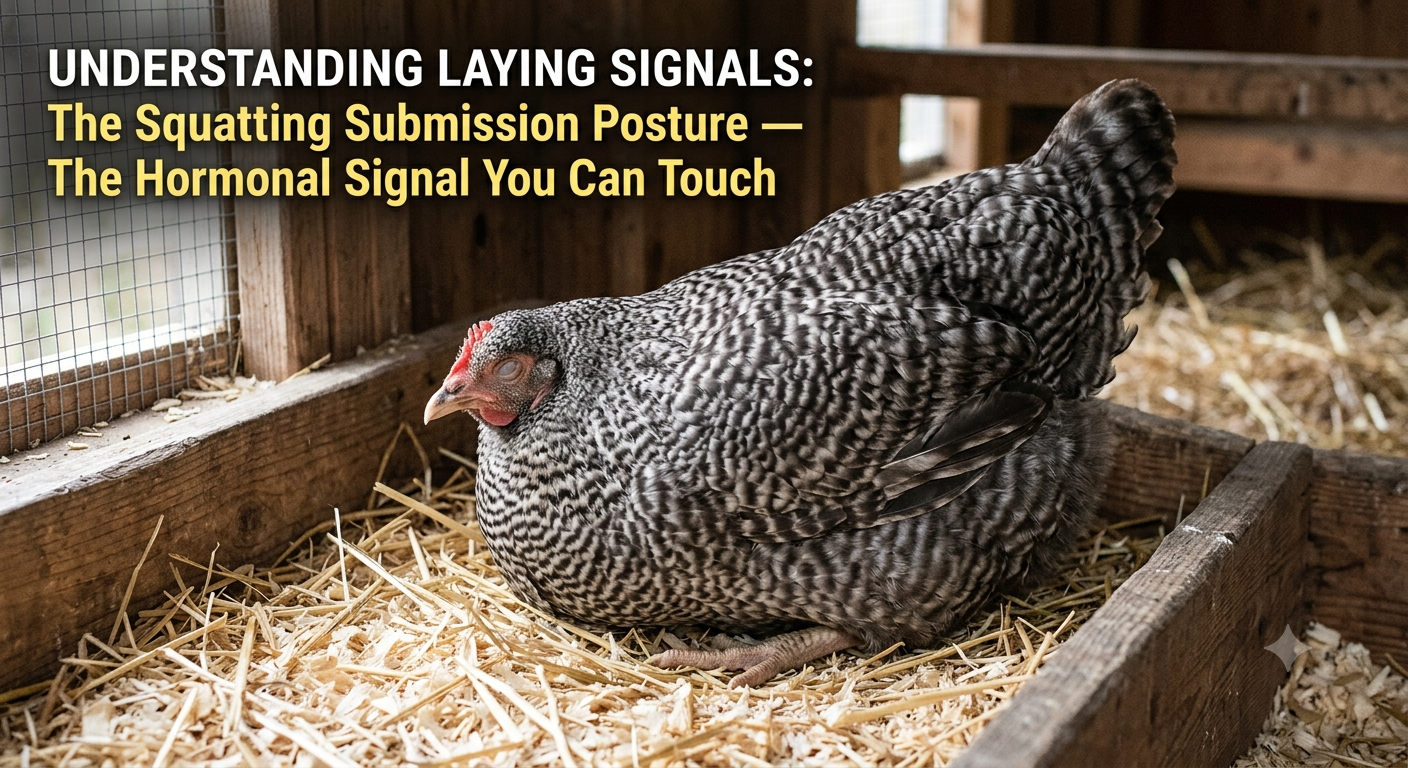
When you approach a pullet who is approaching laying age, and she stops, flattens her body low to the ground, and spreads her wings slightly — this is the mating submission posture. It is triggered by the hormonal changes associated with imminent laying, not by your specific approach, but your approach is what most commonly elicits it in the absence of a rooster.
Receptive squatting can accompany reproductive maturity, but it is not perfectly reliable and does not predict the first egg within a fixed number of days. A bird may also crouch from fear, social pressure, discomfort, or learned handling.
Age varies: Many pullets begin laying around five to six months, but some mature earlier or substantially later. Genetics, hatch date, daylight, body condition, health, and management matter more than a rigid production-versus-heritage timetable.
Sign 3: The Bright Red Comb and Wattles — The Visible Physical Change
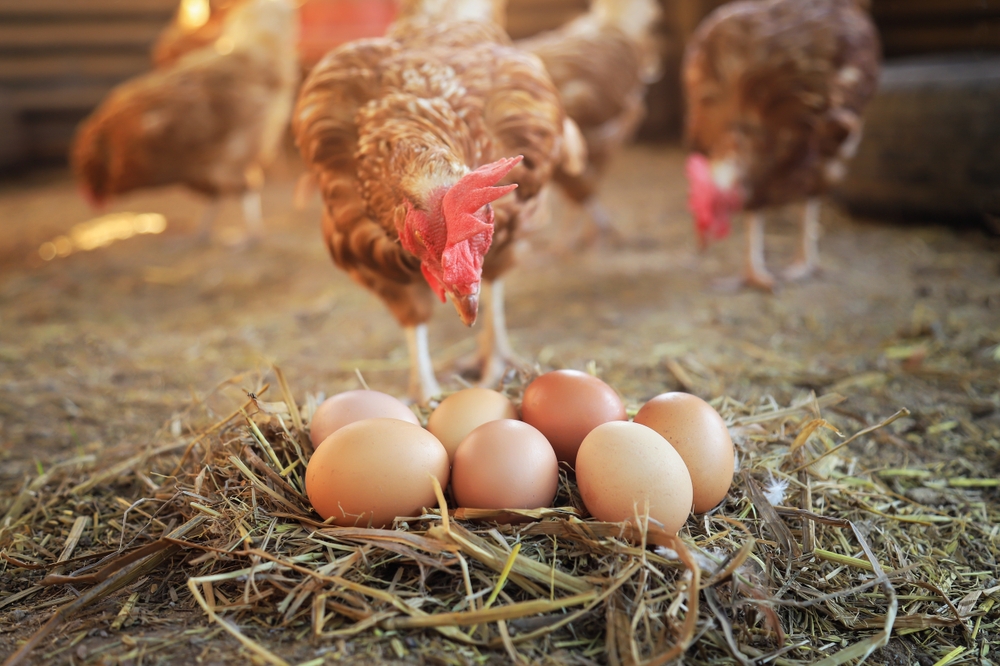
A pullet’s comb and wattles are small and pale throughout the juvenile period. As she approaches laying maturity, they begin growing and deepening in color — moving from the pale pink of a juvenile bird to the full, bright, vivid red of a laying hen.
Comb and wattle growth can accompany maturity, but size and color vary greatly by breed and individual. Temperature, excitement, circulation, illness, and reproductive status also affect color, so a red comb cannot show whether an egg is hours or days away.
Optional weekly photographs can document gradual development without handling the bird, but compare each pullet with her own normal appearance rather than another breed.
Sign 4: Vocalizing Differently — The Egg Song Rehearsal
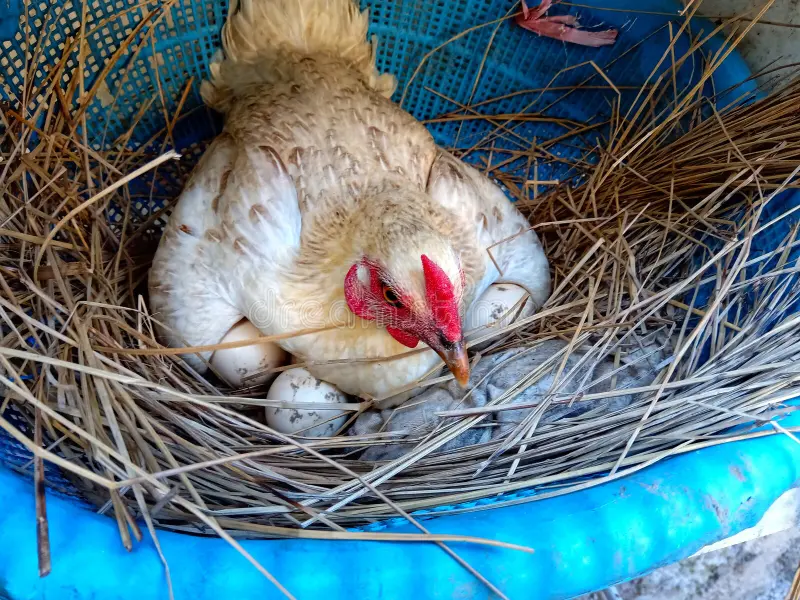
Most chicken keepers know the egg song — the loud, repetitive vocalization that hens produce immediately after laying. What fewer know is that pre-laying vocalizations sometimes precede the first egg as well.
Some pullets vocalize more while exploring nest sites, but calls vary and may also reflect alarm, separation, discomfort, or ordinary flock communication. Vocal changes are therefore supporting context, not proof that laying is imminent.
The familiar “egg song” can occur before or after laying, and not every hen performs it. Confirm by checking the nest rather than assuming a call identifies what happened.
Sign 5: Changes in Pelvic Spacing and Abdominal Capacity
Pelvic spacing and the softness of the abdomen may change in laying condition, but “finger widths” are subjective because hands and birds differ. This is not a reliable countdown, and frequent vent-area examinations are unnecessary.
If you choose to check: Handle the bird only when calm, support her body and wings, use minimal pressure, and stop if she struggles. Never squeeze the abdomen or insert anything into the vent. Skip this check entirely if you are not confident handling poultry.
After the Signs — Preparing for Success
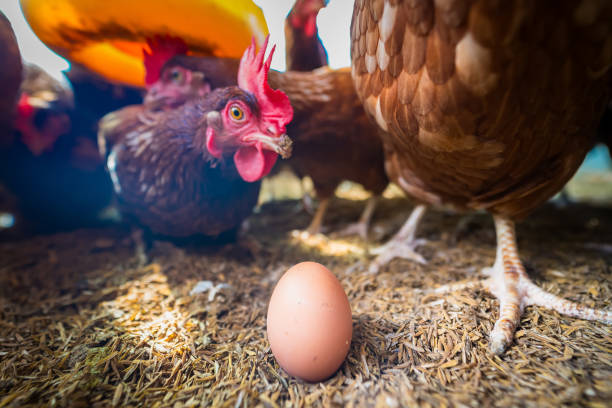
Several signs together make reproductive maturity more likely, but they still cannot promise an egg within 24–72 hours. Continue normal care and avoid manipulating daylight or adding supplements merely to accelerate laying.
Preparation: Keep nest boxes clean, dry, comfortably bedded, and easy to access. Feed an age-appropriate complete ration. When pullets reach laying stage, follow feed-label or professional guidance on layer feed and offer oyster shell separately where appropriate; do not force-feed calcium.
The first eggs: Early eggs may be smaller or occasionally irregular while laying becomes established. A repeated soft shell, straining, lethargy, abnormal posture, blood, prolapse, or other illness sign is not something to dismiss as “calibration”; contact a poultry-experienced veterinarian.
Nest exploration, squatting, comb development, vocal changes, and pelvic changes can help you recognize maturity without turning normal variation into a deadline.
Observe patiently, provide appropriate nutrition and nest space, and let the first egg arrive on the bird’s own timetable.
Sources and Further Reading
- Penn State Extension: Management Requirements for Laying Flocks
- Penn State Extension: Successfully Raising a Small Flock of Laying Chickens
Continue Exploring Your Backyard Flock
Use these closely related guides to plan your next steps:
One thought on “5 Signs a Pullet May Be Approaching Her First Egg”
Comments are closed.