





9 Practical Nesting Box Ideas for a Beautiful, Easy-to-Clean Coop
The nesting box is where the magic happens. It’s where your hens lay, where your mornings begin, and — if you get it right — one of the most visually satisfying elements of any inside chicken coop. Get it wrong, and you’ll have stressed hens, floor eggs, and a hygiene problem that compounds daily. Get it right, and you’ll have a setup that works beautifully for the birds and looks extraordinary in photographs.
These nine ideas cover every style, every budget, and every flock size.
1. The Classic Wooden Row
The standard and the gold standard are good reasons. A row of uniform wooden nesting boxes built from plywood, each approximately twelve inches wide by twelve inches deep by twelve inches tall, mounted at a consistent height with a simple lip at the front to keep bedding and eggs inside.
Free Backyard Flock Checklist
Planning the rest of your flock setup?
Turn your coop-size estimate into a complete setup plan with our free equipment and preparation checklist.
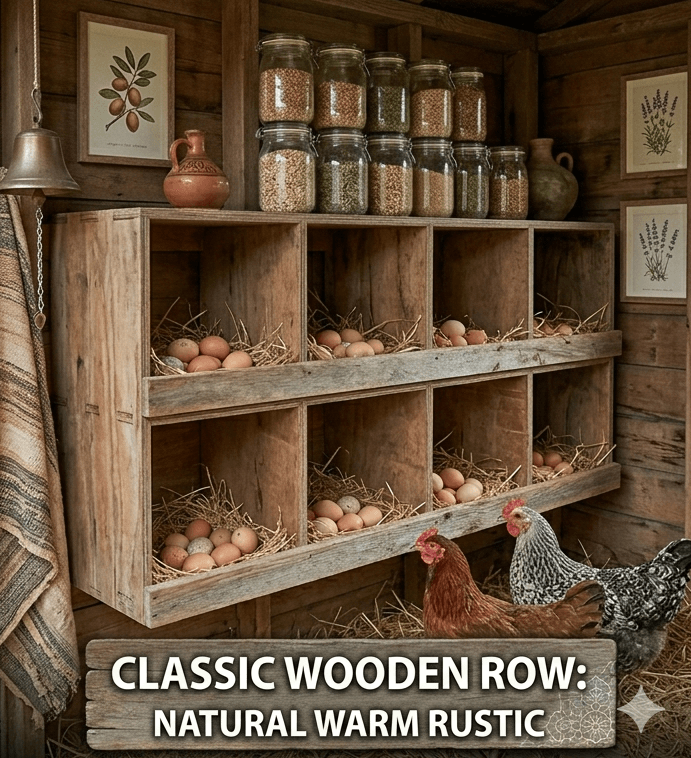
Painted white, these boxes are the most photogenic inside chicken coop element in existence. Painted dark green, they feel botanical and intentional. Left natural wood, they have a warm rustic quality that fits the farmhouse aesthetic perfectly. The classic wooden row works in every aesthetic context and remains the most reliable nesting setup available.
2. The Wooden Crate Stack
Vintage wooden crates — the kind originally used for fruit, wine, or produce — stacked and mounted to create individual nesting compartments. Each crate becomes its own private box, lined with straw or nesting pads, and the variety of natural wood tones creates a layered, organic look that photographs beautifully.
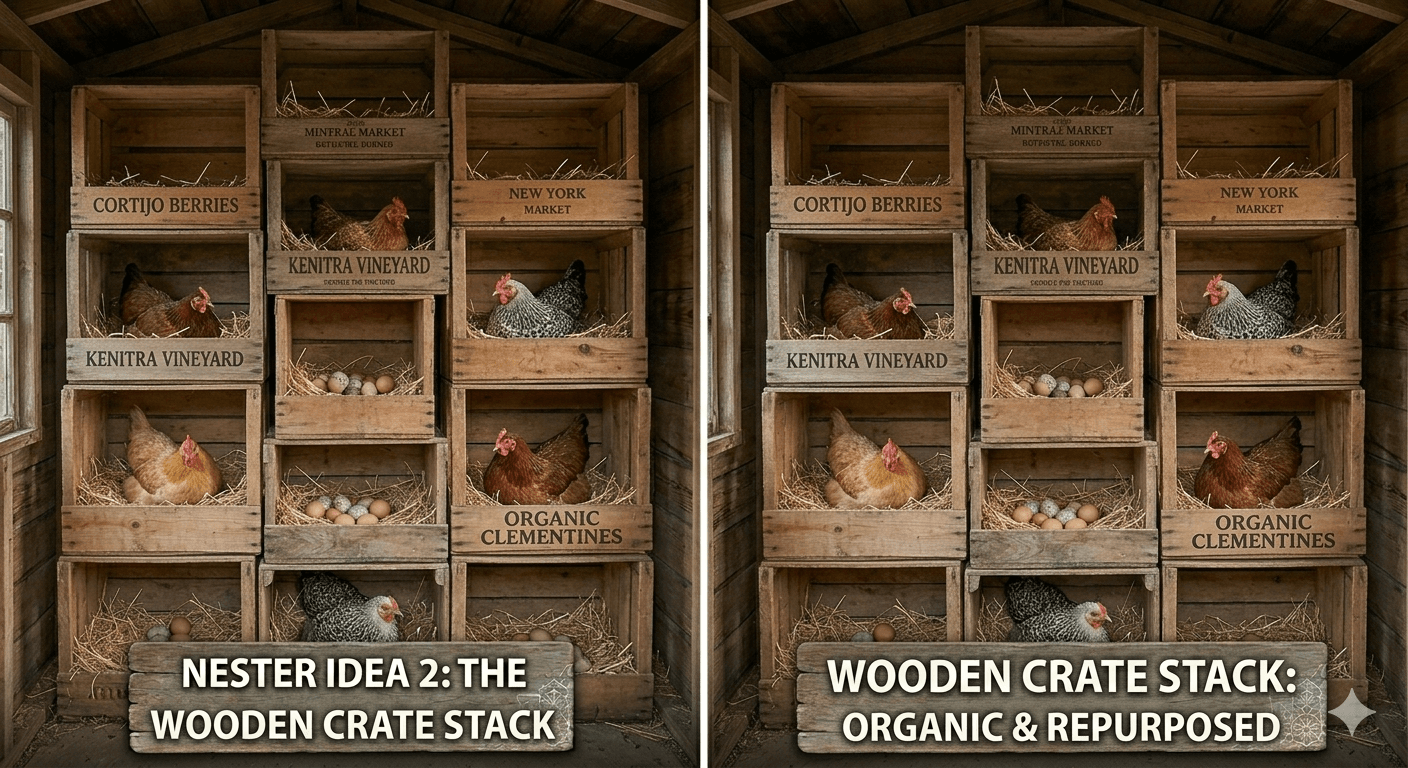
Wooden crates are typically available at markets, farm supply stores, or online marketplaces, often inexpensively or free. This is one of the most budget-friendly and visually compelling nesting box solutions available.
3. The Five-Gallon Bucket Hack
Five-gallon plastic buckets mounted horizontally in a row or stacked in a grid pattern — each one becomes a perfectly sized, perfectly private nesting box for a standard-sized hen. The bucket’s rounded interior discourages egg rolling, and the lip of the bucket opening naturally contains bedding.
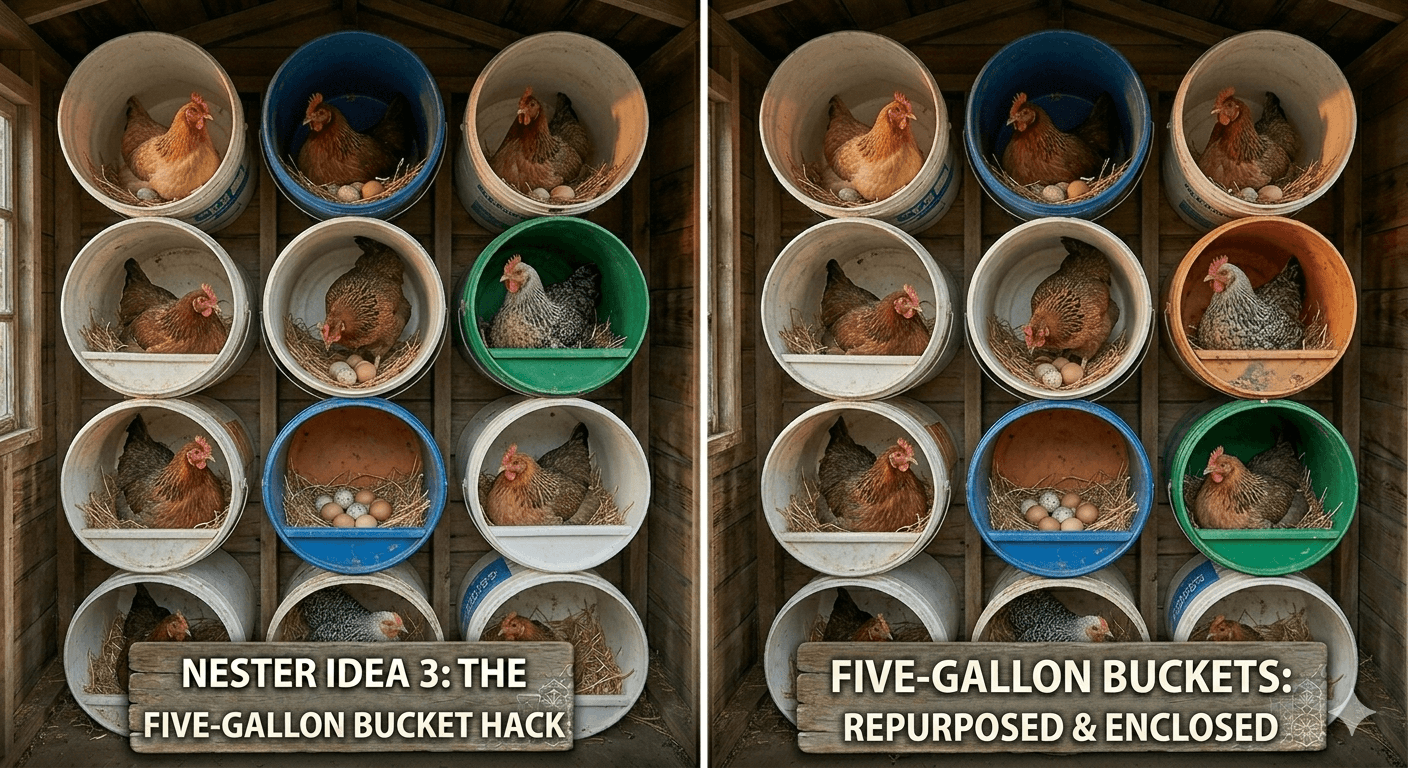
Paint the bucket exteriors in coordinating colors or leave them utilitarian white. Either way, this setup costs almost nothing, installs in an afternoon, and performs extremely well. Hens consistently prefer the enclosed, darker environment a bucket provides.
4. The Curtained Box
Any nesting box design becomes dramatically more attractive to hens — and dramatically more photogenic — with the addition of a simple curtain across the front. A strip of burlap, a length of linen, or a small piece of cotton fabric hung from a small rod or tension wire gives each box a private, enclosed feeling that hens strongly prefer for laying.
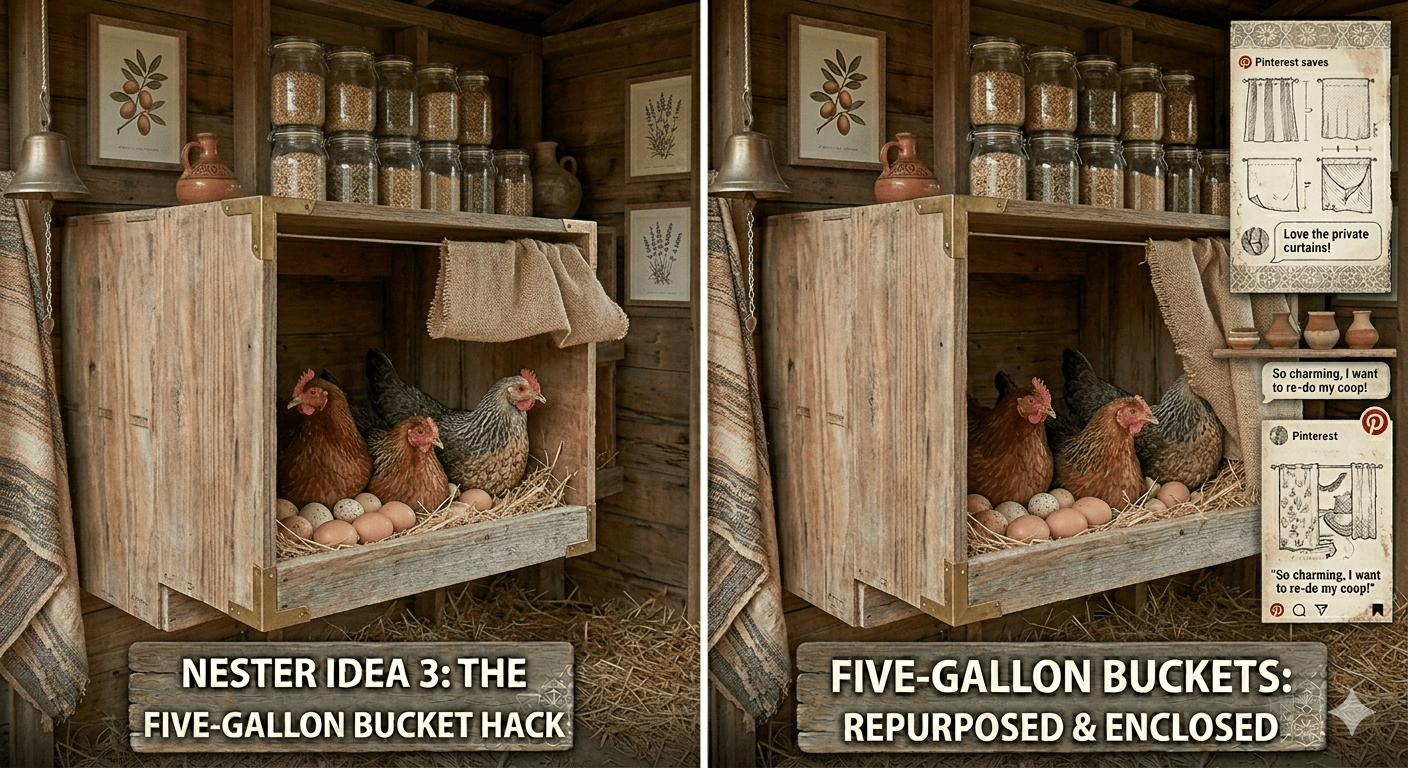
The curtained nesting box is consistently the most-saved inside chicken coop image on Pinterest. The fabric softens the visual harshness of a utilitarian space and immediately reads as considered and charming.
5. The Herb-Lined Box
This is less a structural design and more a philosophy applied to any nesting box style. Each box is lined with a base of pine shavings or straw and then topped with a small bundle of fresh or dried herbs — lavender, rosemary, mint, or thyme.
6. The Roll-Away Box
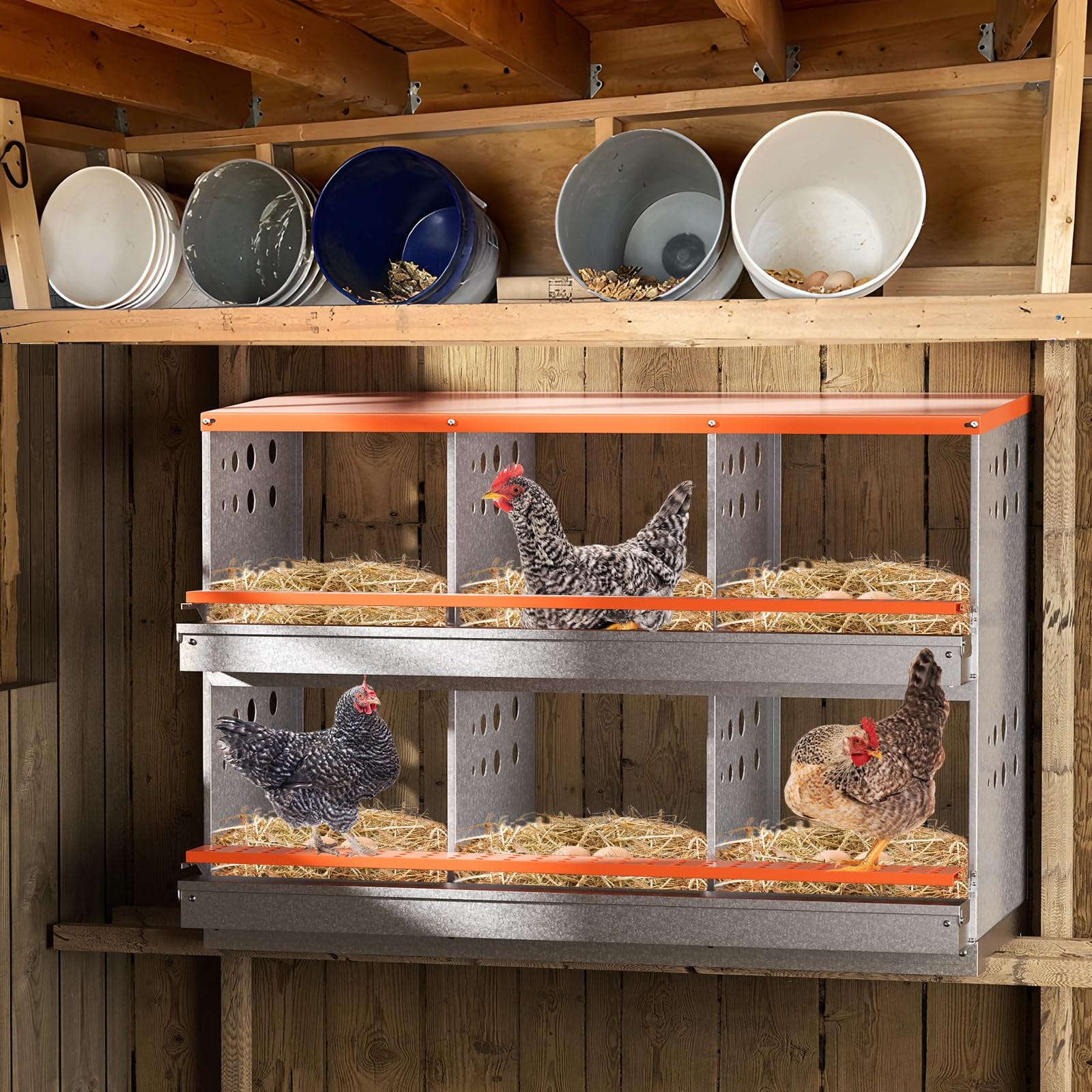
A nesting box with a slightly sloped interior floor that allows freshly laid eggs to roll gently to a separate collection area at the rear of the box, keeping them away from hen traffic and preventing breakage or soiling. The roll-away mechanism significantly improves egg cleanliness and makes collection faster and easier.
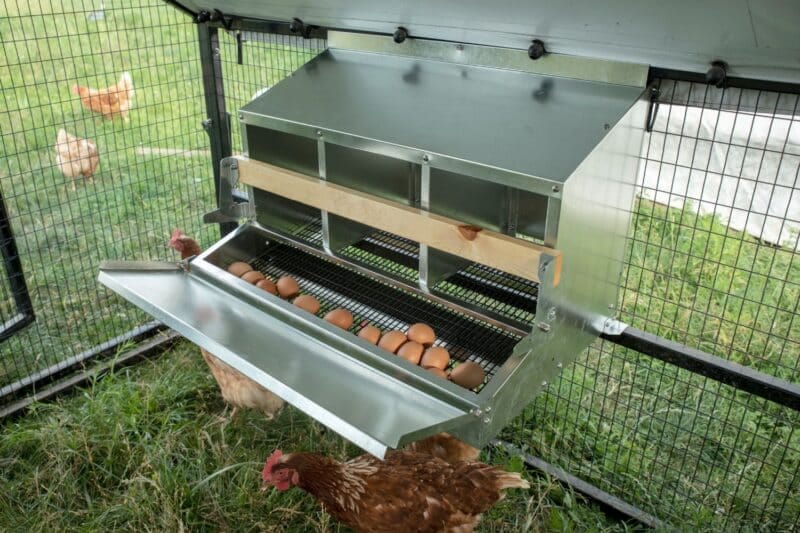
Roll-away boxes are particularly valuable for larger flocks where eggs may sit in boxes for longer periods before collection, and for hens who have a tendency to stand on or break eggs.
7. The Corner Box
Nesting boxes mounted in the corners of the chicken coop rather than along a wall create a different spatial experience inside the coop and allow for more creative arrangement of the interior. Corner placement also gives hens a more sheltered, enclosed feeling that many prefer for laying.
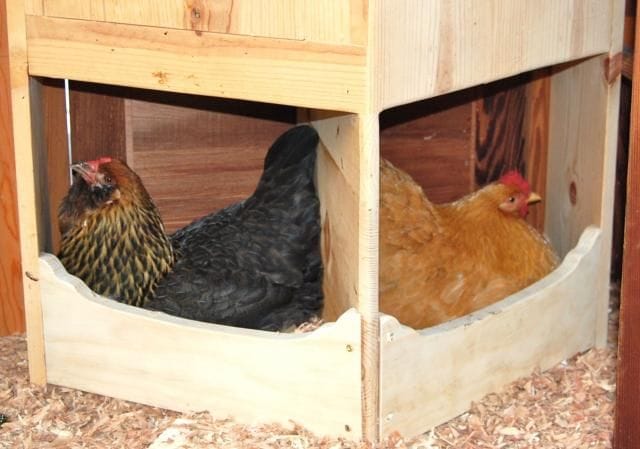
Corner-mounted boxes allow the remaining wall space for roost bars, storage, or ventilation windows, which can make the overall interior layout significantly more functional in a smaller footprint.
8. The External Access Box
Nesting boxes accessible from outside the chicken coop through a hinged lid or door, allowing egg collection without entering the coop itself. This design is one of the most practical innovations in backyard chicken keeping and dramatically reduces the time and effort of the daily egg-collection routine.
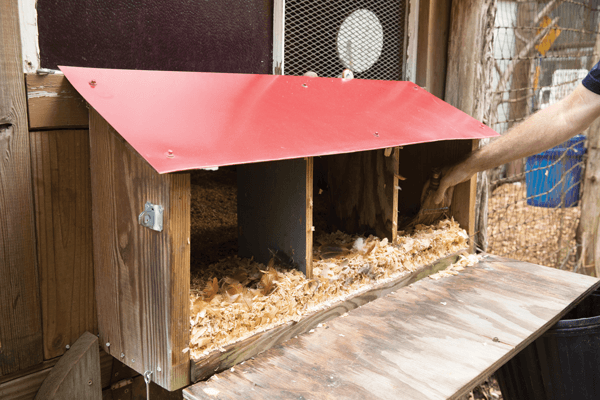
External access nesting boxes also mean cleaner eggs and fewer disturbances to the flock during laying hours — a meaningful welfare improvement as well as a practical convenience.
9. The Luxury Lined Box
This is the nesting box at its most indulgent — and chickens genuinely respond to it. Commercial nesting pads made from antimicrobial material, a small sprig of dried lavender, a slightly deeper box than standard to provide extra privacy, and a curtained opening. Some keepers add a small nameplate above each box.
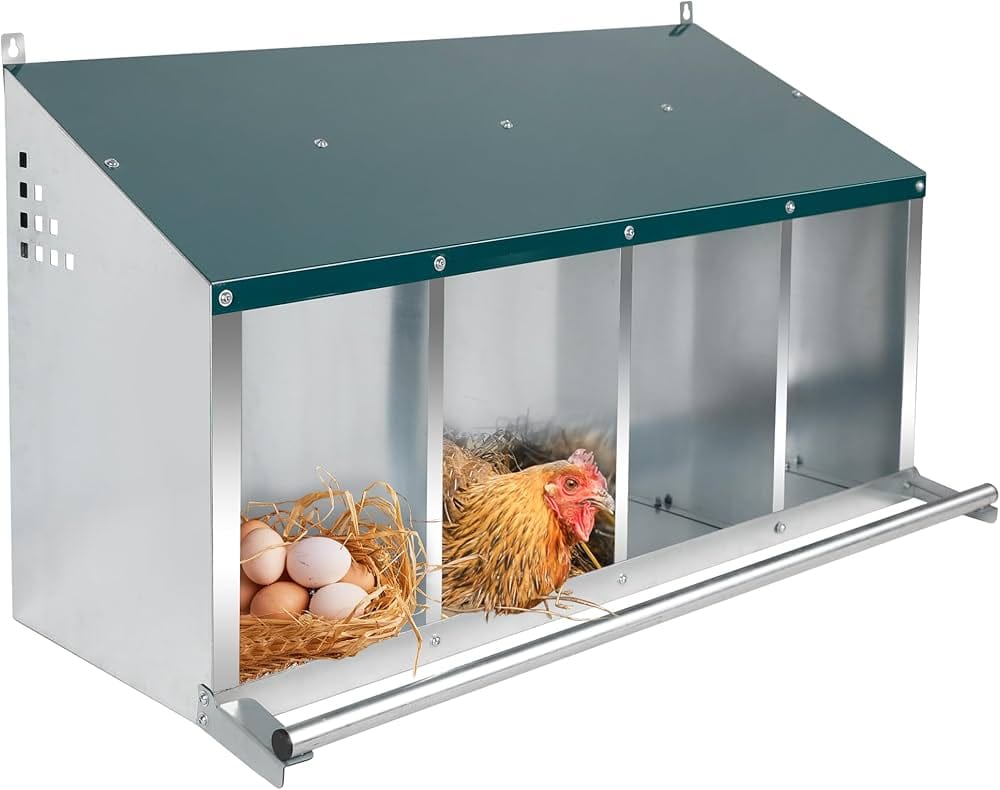
Hens that previously laid inconsistently or on the floor often begin laying reliably in boxes when those boxes are made genuinely comfortable. This is not anthropomorphism — it is a behavioral response to environmental quality. The luxury-lined box is the most effective solution for hens with laying box preferences.
Final Thoughts
Put flock welfare before the look
Whatever style you choose, keep nest boxes dry, easy to inspect, and lower than the main roosts so hens are less tempted to sleep in them. Avoid loose fabric, sharp hardware, peeling finishes, and decorations that collect droppings or block ventilation. A beautiful box still needs to be safe and simple to clean.
Sources and further reading
- University of Minnesota Extension: Raising chickens for eggs
- CDC: Backyard Poultry and Public Health
- Utah State University Extension: Poultry resources
Continue Exploring Your Backyard Flock
Use these closely related guides to plan your next steps:
11 thoughts on “9 Practical Nesting Box Ideas for a Beautiful, Easy-to-Clean Coop”
Comments are closed.