




10 Chicken Coop Design Ideas That Combine Style and Practicality
Somewhere along the way, the chicken coop went from a utilitarian box in the corner of the yard to one of the most aesthetically considered spaces on the entire property. And we are here for every second of it.
The chicken coop aesthetic movement — cottagecore, farmhouse modern, botanical, rustic minimalist — has produced some of the most genuinely beautiful small structures on the internet. These are spaces that make you want to have chickens not just for the eggs but for the experience of building and maintaining something this lovely.
Here are ten of the most inspiring directions in chicken coop aesthetics right now.
Free Backyard Flock Checklist
Planning the rest of your flock setup?
Turn your coop-size estimate into a complete setup plan with our free equipment and preparation checklist.
1. Cottagecore Coop
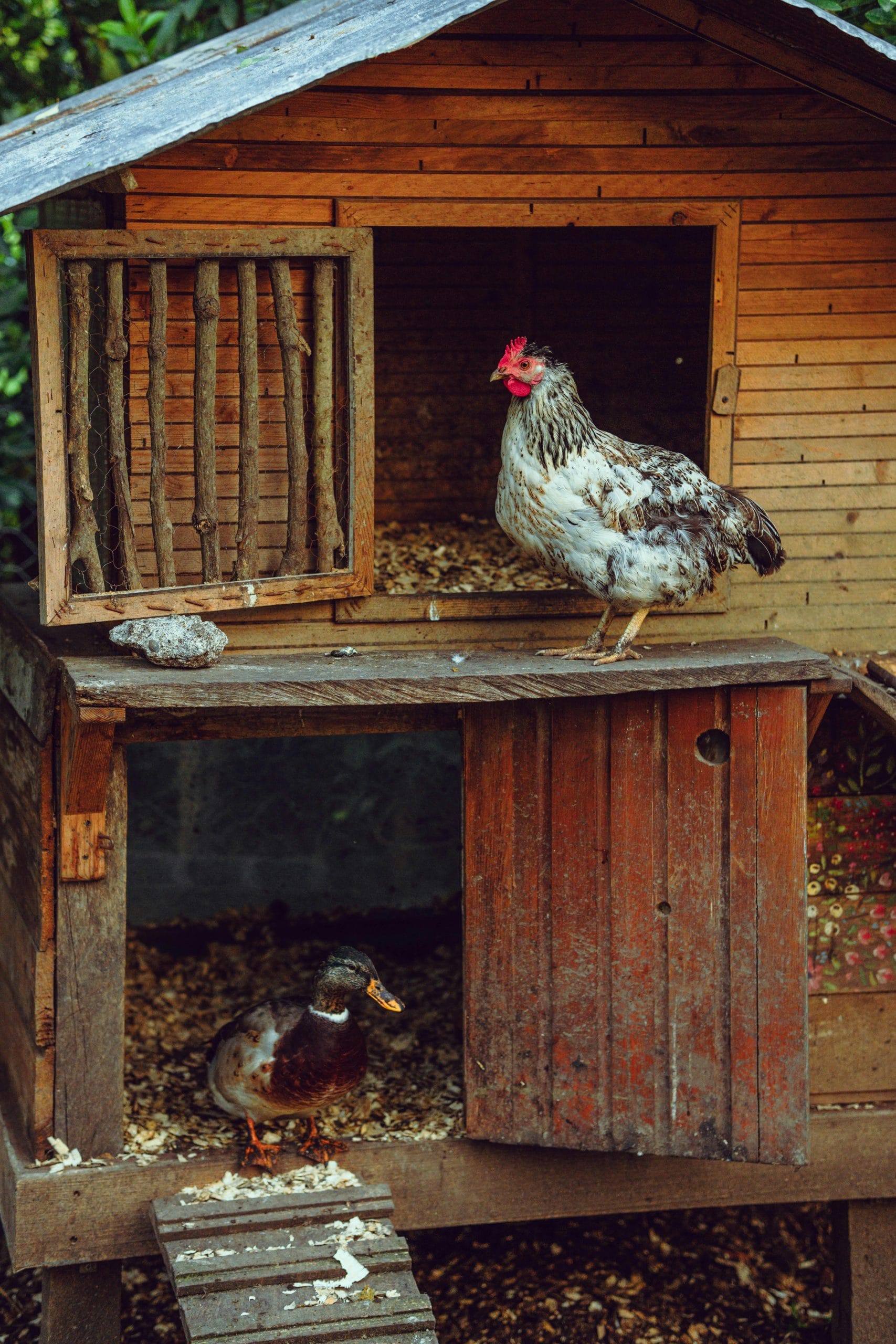
The cottagecore aesthetic translates to the chicken house with almost embarrassing ease. A small wooden structure with a pitched roof, window boxes spilling with herbs and wildflowers, a weathervane on top, climbing roses or wisteria up one side — the exterior alone is something people stop to photograph on country roads.
Inside, the cottagecore chicken coop continues the story: white-painted tongue-and-groove walls, hand-painted nesting box fronts, dried herb bundles, and a small chalkboard for the egg count. Everything soft, everything deliberate.
2. Pacific Northwest Farmhouse Modern
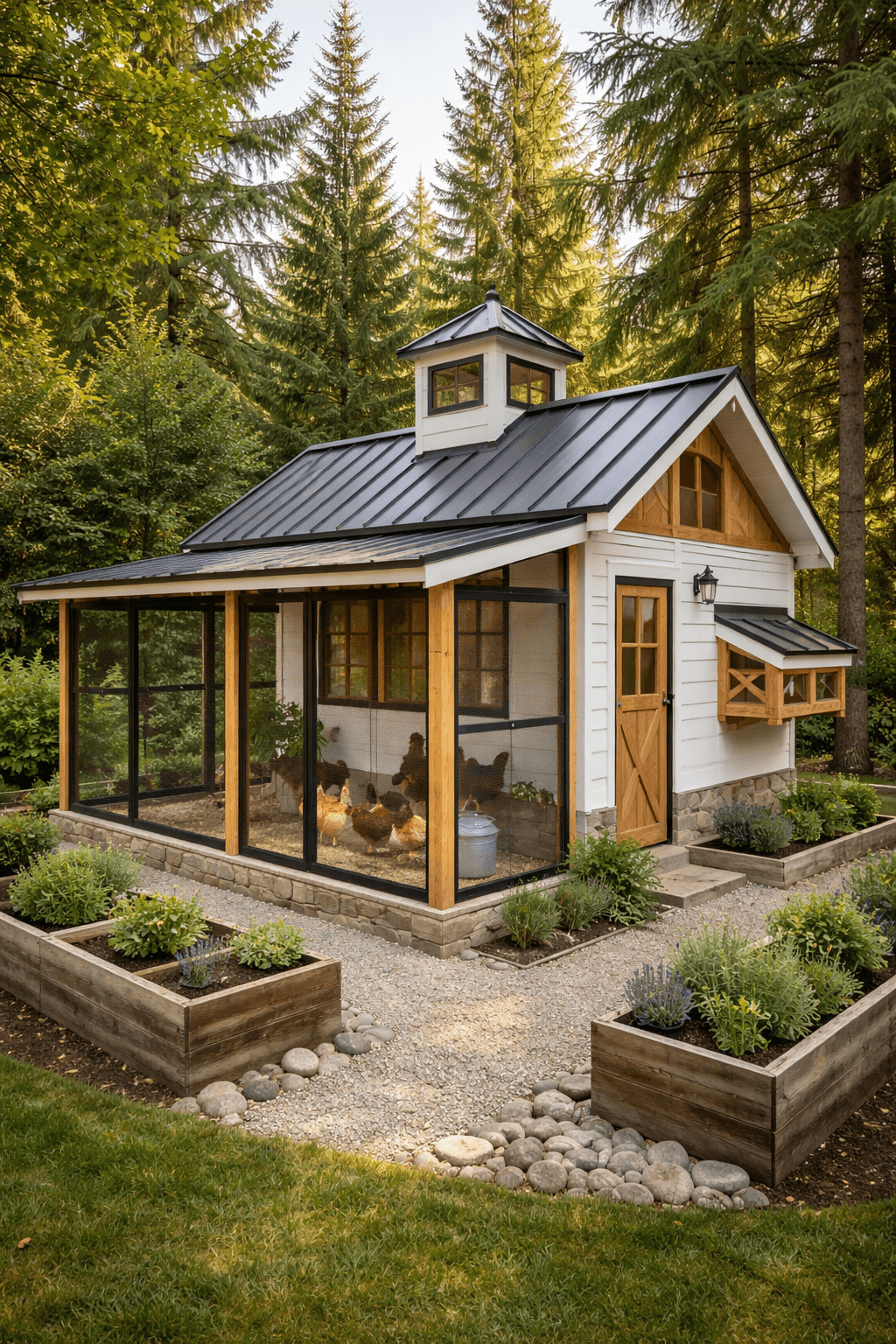
Dark-stained cedar siding, matte black hardware, a corrugated metal roof, clean geometric proportions. The Pacific Northwest farmhouse modern coop is cool, architectural, and feels utterly contemporary even in a rural setting.
Inside, this aesthetic means clean-lined roost systems, painted white walls, pendant lighting (solar-powered in most cases), and hardware cloth windows framed in black powder-coated metal. It looks like a small building that was designed, not built.
Why it performs: This aesthetic reaches audiences beyond the traditional farming community — design enthusiasts, architecture followers, and the growing urban-to-rural migration audience respond strongly to this direction.
3. The Potting Shed Aesthetic
Take a potting shed — all weathered wood, glass jar storage, hanging tools, botanical prints — and run a flock of chickens through it. The overlap between these two spaces is more natural than it sounds: both involve working with living things, both accumulate beautiful, worn surfaces over time, and both benefit from the same organizational principles.
The potting shed chicken house aesthetic uses open shelving for supplies, vintage enamelware feeders, galvanized metal bins for feed storage, and botanical artwork on any wall that isn’t actively being used by hens.
4. The All-White Interior
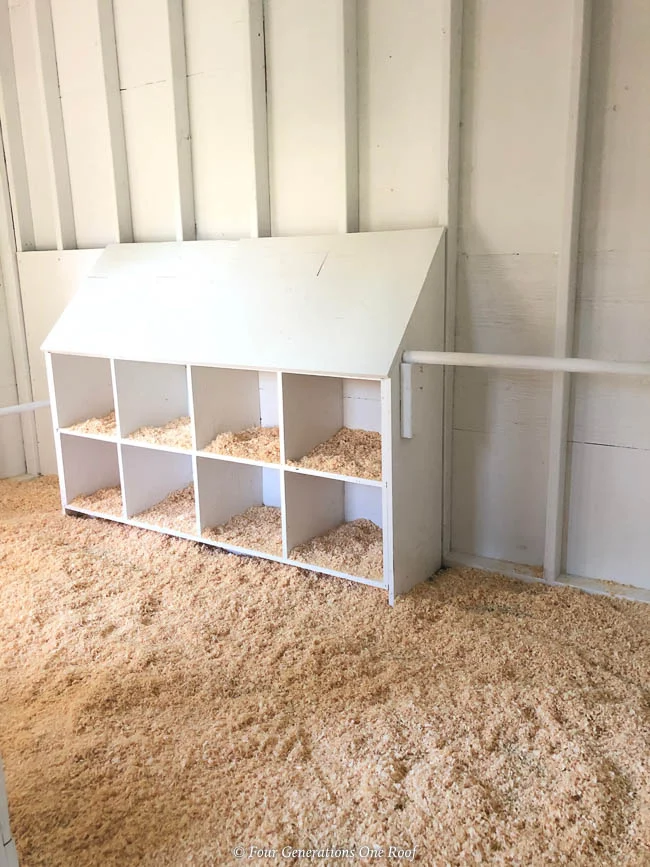
It requires more cleaning. It is absolutely worth it. An all-white painted interior — walls, nesting boxes, roost mounts — creates the highest-contrast, most visually striking inside chicken coop photography possible. The warm tones of straw, feathers, and wood grain pop against white walls in a way that deep-toned or unpainted wood interiors simply can’t match.
The all-white chicken coop aesthetic is particularly associated with the Scandinavian minimalist and modern farmhouse movements and photographs with a clean crispness that consistently performs well across both Pinterest and Instagram.
5. Botanical Integration
Hang dried lavender from roost bars. Mount a small shelf of potted herbs near the window. Press botanical prints under clip frames on the wall. Let a trailing plant grow across the upper corner of the space. These small botanical gestures transform even a basic chicken house interior into something that looks curated and alive in ways that go beyond the flock itself.
Beyond aesthetics, many of the plants that work in this setting — lavender, mint, rosemary, thyme, calendula — actively benefit your flock by discouraging mites and supporting general health.
Why it performs: The botanical interior aesthetic crosses chicken-keeping content with the home décor and wellness audiences simultaneously. It’s one of the most effective cross-audience strategies in farm-life content.
6. The Vintage Farm Aesthetic
Reclaimed wood everything. Old enamel signs from feed companies. A vintage milk crate converted into a nesting box. A galvanized metal trough as a feeder. Mason jars for smaller supply storage. Worn, layered paint in barn red, cream, and faded green.
The vintage farm chicken coop aesthetic taps into a deep nostalgia that resonates across virtually every age demographic. It looks like a place with history, even if you built it last year, and that quality — the sense of time and continuity — is something audiences respond to emotionally and reliably.
7. The Garden Coop
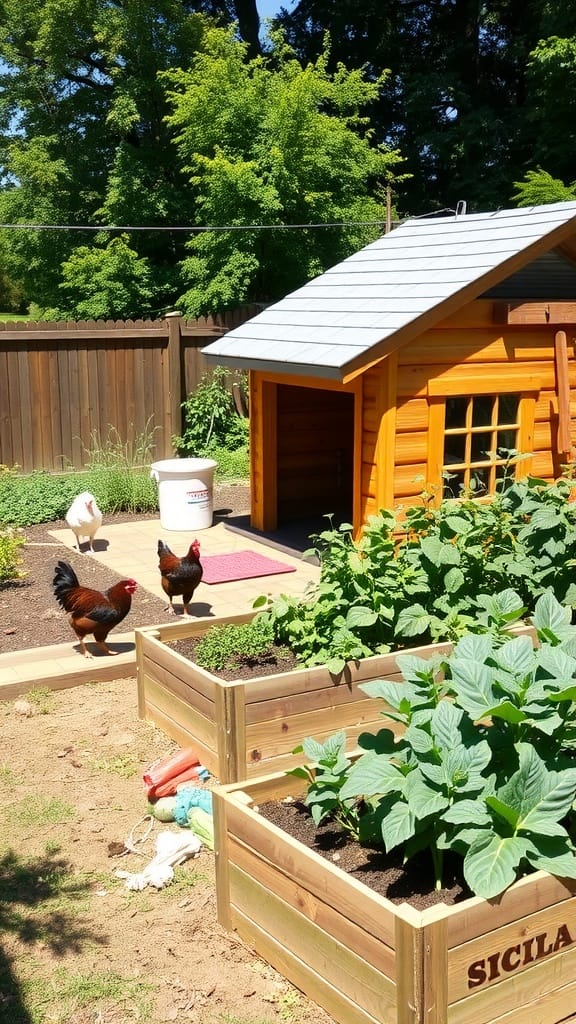
The coop is not separate from the garden. The coop is in the garden, surrounded by raised beds, climbing plants on the run fencing, bee-friendly plantings in the perimeter, and a path that connects the chicken house to the kitchen door as naturally as possible.
This integrated approach produces some of the most beautiful farm-life photography possible because the chickens exist within a larger scene of abundance — greenery, structure, life. It’s a complete aesthetic environment rather than a standalone structure.
8. The Mural Co-op
This one requires a certain level of commitment, but the results justify it absolutely. A hand-painted mural on the exterior or interior of the chicken house — whether a simple botanical print, an illustrated landscape, or a flock portrait — turns the coop into a piece of functional art.
9. The Reclaimed Materials Build
Old barn wood, salvaged windows, repurposed furniture elements, vintage hardware — a chicken house built primarily from reclaimed materials has a texture, warmth, and visual depth that new-build materials simply cannot replicate. Each worn plank, each slightly imperfect window frame, each piece of salvaged hardware tells a small piece of a story.
It’s also frequently the most sustainable and cost-effective approach to coop construction. The aesthetics are a bonus that happens to be significant enough to make this the most-shared DIY coop aesthetic category online.
10. The Seasonal Styling Approach
This is less about a single aesthetic direction and more about a practice: intentionally restyling the chicken coop interior and exterior with each season. Pumpkins and autumn foliage in fall. Fresh greenery and spring flowers in April. A harvest wreath in late summer. Simple winter white in January.
Chicken keepers who adopt this practice generate consistent, visually varied content throughout the year that builds and maintains an audience reliably rather than in spikes. It’s a content strategy as much as an aesthetic — and it is extremely effective.
Final Thoughts
Save this for your next coop project, and share it with someone who doesn’t yet know they need chickens.
Style should never reduce safety
Decorative trim, murals, plants, and vintage details can make a coop feel intentional, but they should not obstruct airflow, create chewable or loose pieces, conceal damage, or give predators a climbing route. Use durable, fully cured finishes and keep the bird-facing surfaces smooth enough to inspect and clean.
Sources and further reading
- University of Minnesota Extension: Raising chickens for eggs
- CDC: Backyard Poultry and Public Health
- Utah State University Extension: Poultry resources
Continue Exploring Your Backyard Flock
Use these closely related guides to plan your next steps:
One thought on “10 Chicken Coop Design Ideas That Combine Style and Practicality”
Comments are closed.