

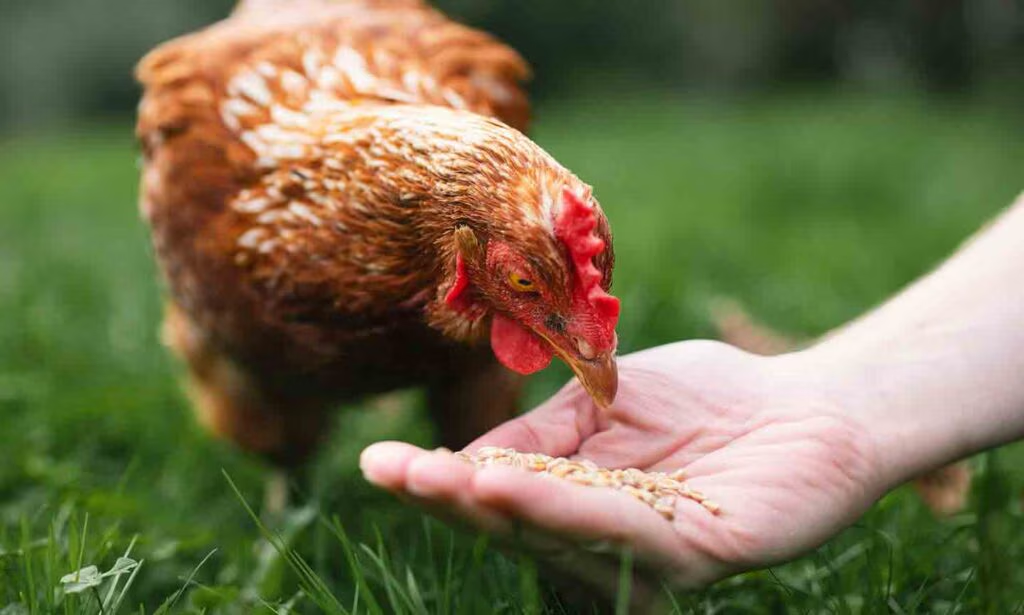
10 Plants for a Chicken-Friendly Garden—Treats, Shade, and Enrichment
Most chicken keepers think of the feed bag as a fixed cost. A modest garden patch can provide seasonal treats, enrichment, shade, and small supplemental savings, but it should not be expected to replace a complete ration or guarantee a specific reduction in the feed bill.
Why Growing Feed Makes More Sense Than It Sounds
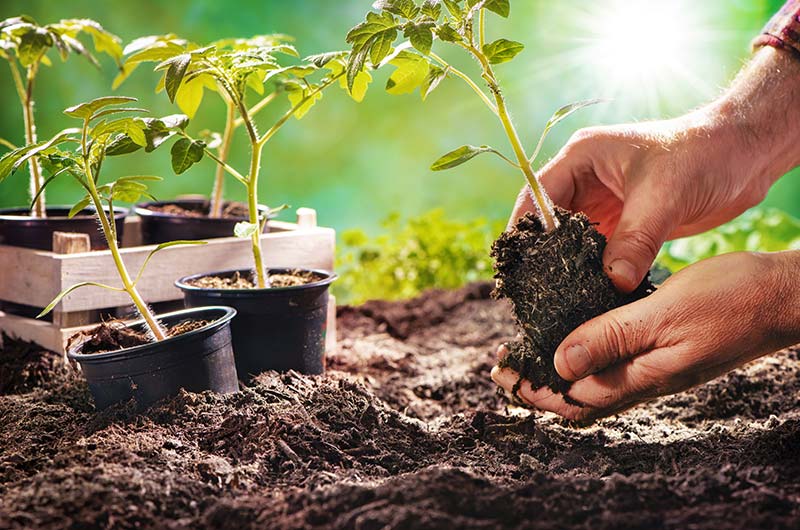
A correctly selected commercial feed is formulated to provide complete nutrition for a particular life stage. Fresh greens and garden plants can add variety, pigments, and opportunities to forage, but claims that they supply unique probiotics, prevent disease, or improve laying need evidence for the specific plant and dose. Treat garden foods as supplements rather than medicine.
Free Backyard Flock Checklist
Planning the rest of your flock setup?
Turn your coop-size estimate into a complete setup plan with our free equipment and preparation checklist.
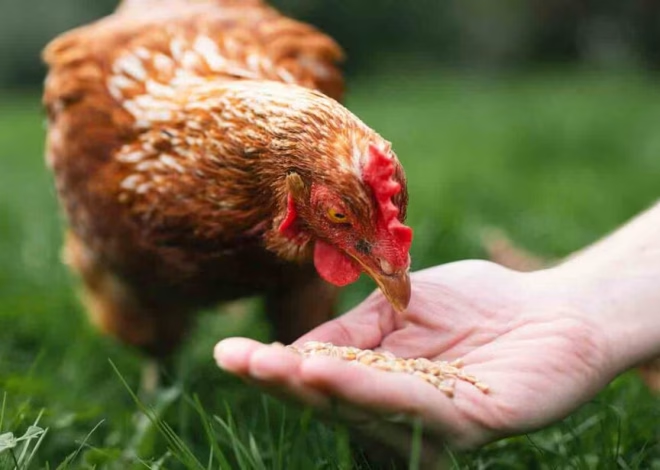
The best chicken garden complements rather than competes with a complete ration. Garden foods can provide seasonal enrichment and variety, but keep all treats and extras together to a small share of intake—commonly no more than about 10%—so birds still consume the feed formulated for their life stage.
Seeds and Forage Plants — Useful Extras, Not a Complete Ration
Sunflowers — Energy-Dense Seeds for Occasional Enrichment
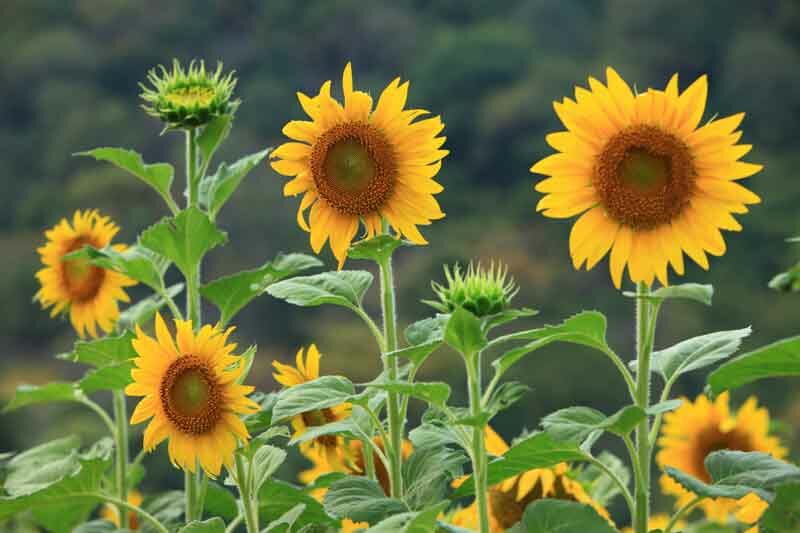
Mature sunflower seeds are energy-dense and can be offered in limited quantities after the flower head has developed. They are useful for enrichment, but they should remain a modest supplement to the complete ration.
Sunflowers generally prefer full sun and well-drained soil and are commonly sown after frost risk has passed. Days to maturity, drought tolerance, seed yield, and branching vary by cultivar and climate, so use local growing guidance. Multi-headed types can spread the harvest over time, while large single-head types may be easier to protect and dry.
Clover — A Rotational Ground-Cover Option
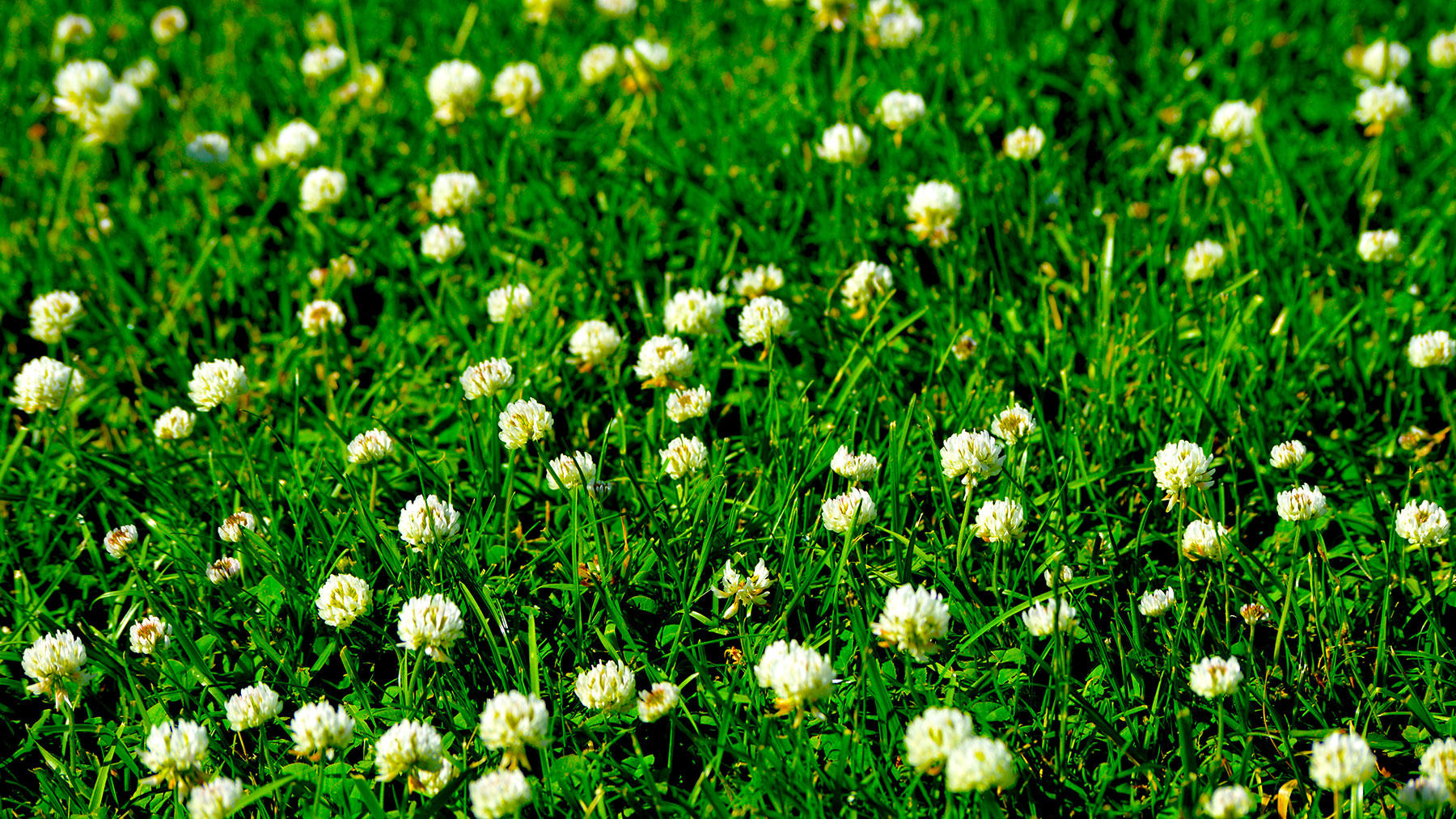
Clover fixes nitrogen and can provide seasonal ground cover and limited forage where climate and soil suit it. White clover stays relatively low, but no variety tolerates unlimited scratching or grazing. Confirm the seed is untreated, avoid moldy forage, and identify every plant in the area before allowing access.
Scatter clover seed in a suitable area and protect it while it establishes. Its growth and recovery depend on climate, soil, rainfall, stocking density, and rotation; chickens can destroy new or heavily grazed stands, so year-round coverage is not guaranteed.
Alfalfa — A Forage Plant to Offer Modestly
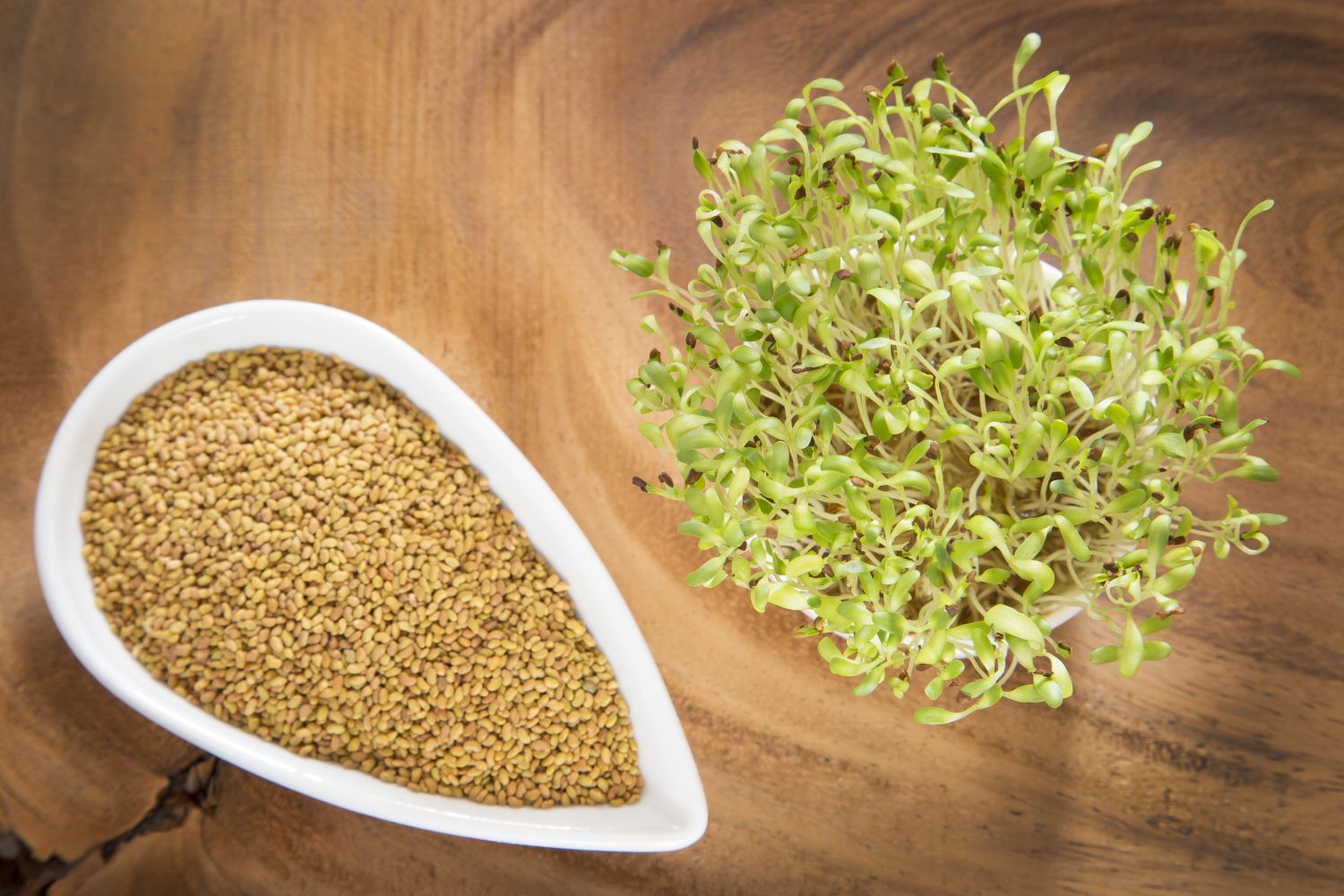
Alfalfa contains protein, fiber, pigments, vitamins, and minerals, but fresh forage is not nutritionally equivalent to a formulated poultry feed. Offer clean, pesticide-free leaves in modest amounts and remove moldy or uneaten material. It does not treat molt or guarantee better laying or shells. Whether it grows as a perennial depends on cultivar, drainage, climate, and winter conditions.
Vegetables and Flowers — Variety, Enrichment, and Yolk Pigments
Kale and the Brassica Family — Year-Round Greens in Every Season
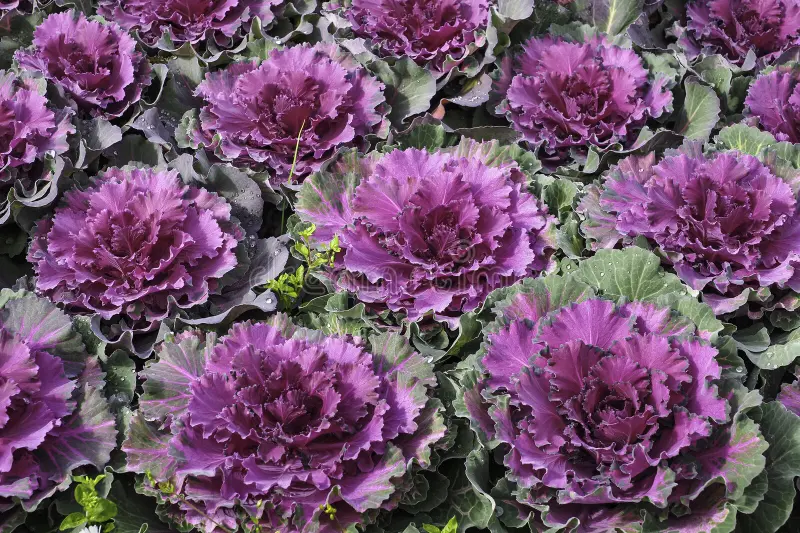
Broccoli, cabbage, cauliflower, kale, bok choy, Brussels sprouts, turnips, radishes, and mustard greens are cool-season crops in many climates. Clean, untreated edible portions can be offered as limited extras, but they should not be credited with preventing disease or improving egg quality on their own.
Kale can tolerate cool conditions and its pigments may influence yolk color. Hang a small, securely fastened portion for pecking enrichment, then remove spoiled leftovers and any string or hardware that could entangle a bird.
Squash — The Summer Plant That Feeds Them Three Ways
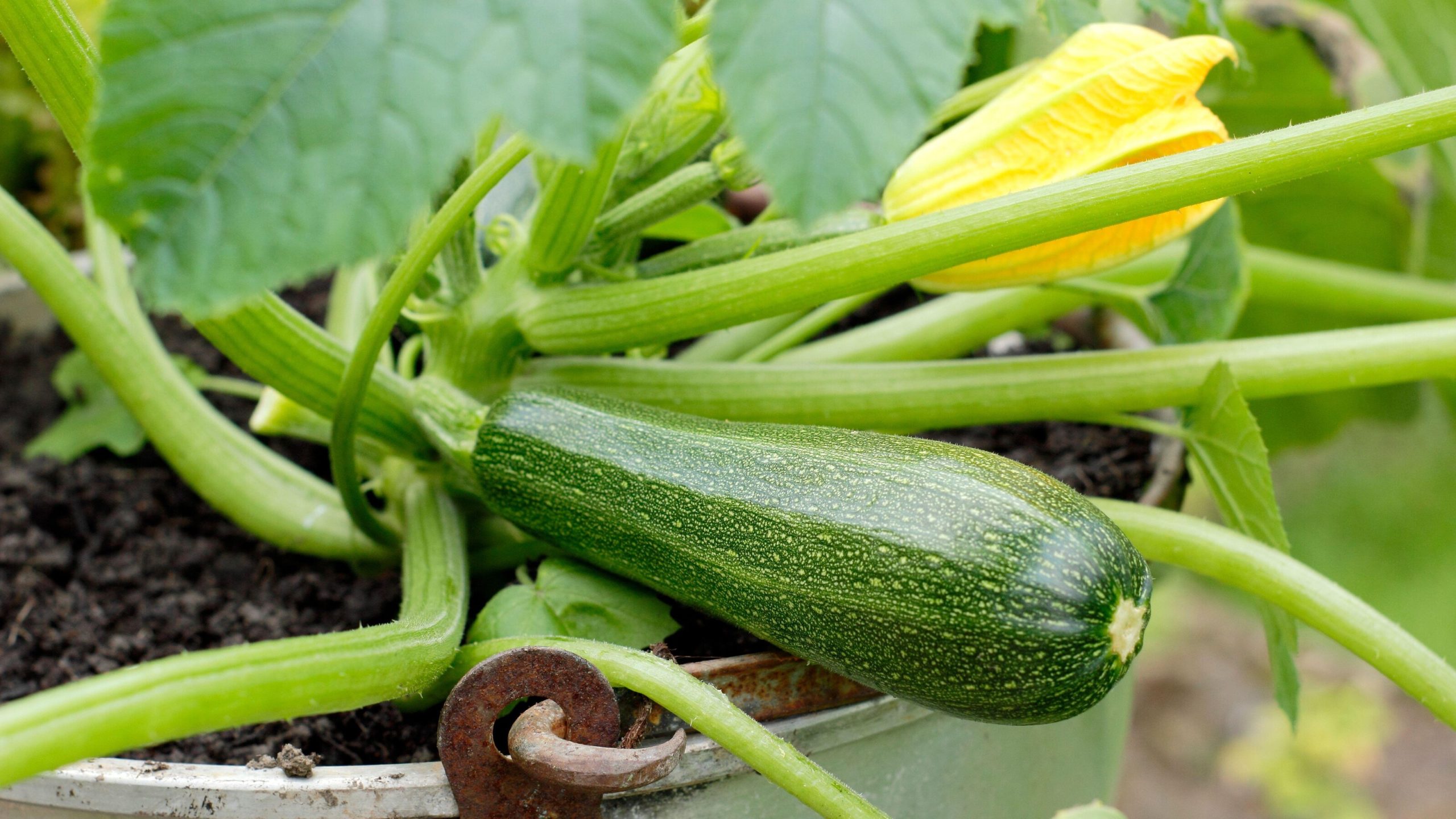
Squash flesh and seeds can be offered as occasional foods, but they are not a proven dewormer. Suspected intestinal parasites require appropriate identification and guidance from a poultry-experienced veterinarian.
Calendula — Edible Petals and Yolk Pigments
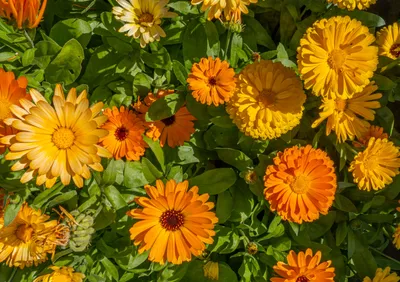
Calendula petals contain carotenoid pigments that may deepen yolk color when included appropriately. Yolk color is not a measure of immunity or overall egg nutrition, and garden petals should not be presented as an anti-inflammatory treatment.
Calendula is grown as an annual in many regions and may self-seed where conditions allow. Confirm the plant’s identity, use only unsprayed petals, and keep the serving modest.
The Herb Garden — Aroma and Occasional Enrichment
Oregano — A Culinary Herb, Not an Antibiotic
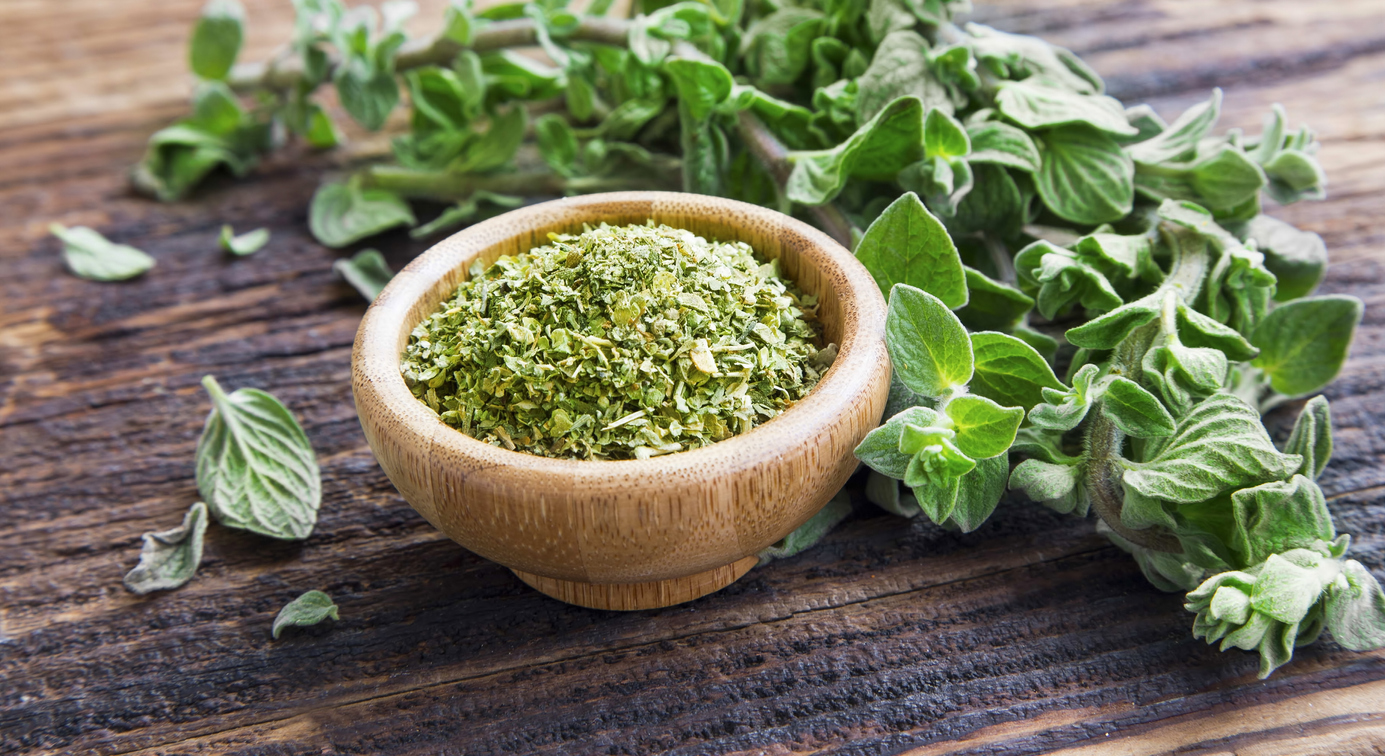
Oregano is an aromatic culinary herb. Studies of standardized extracts or essential oils in controlled poultry diets do not show that garden oregano acts like an antibiotic, outperforms prescribed medication, or treats infection. Never substitute fresh herbs or essential oils for diagnosis and veterinary care. If offered at all, use a small amount of correctly identified, unsprayed fresh herb as enrichment.
Mint — The Pest Deterrent That Also Keeps the Coop Cooler
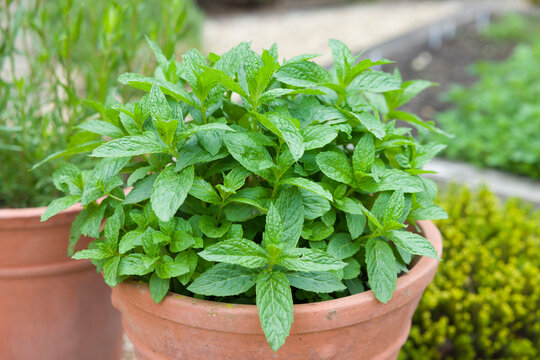
Mint is aromatic, grows vigorously, and can be planted around the flock area where appropriate. It should not be relied upon to repel rodents, mites, or other pests; sanitation, feed storage, exclusion, monitoring, and evidence-based treatment remain necessary.
Lavender — A Perimeter Herb, Not a Calming Treatment
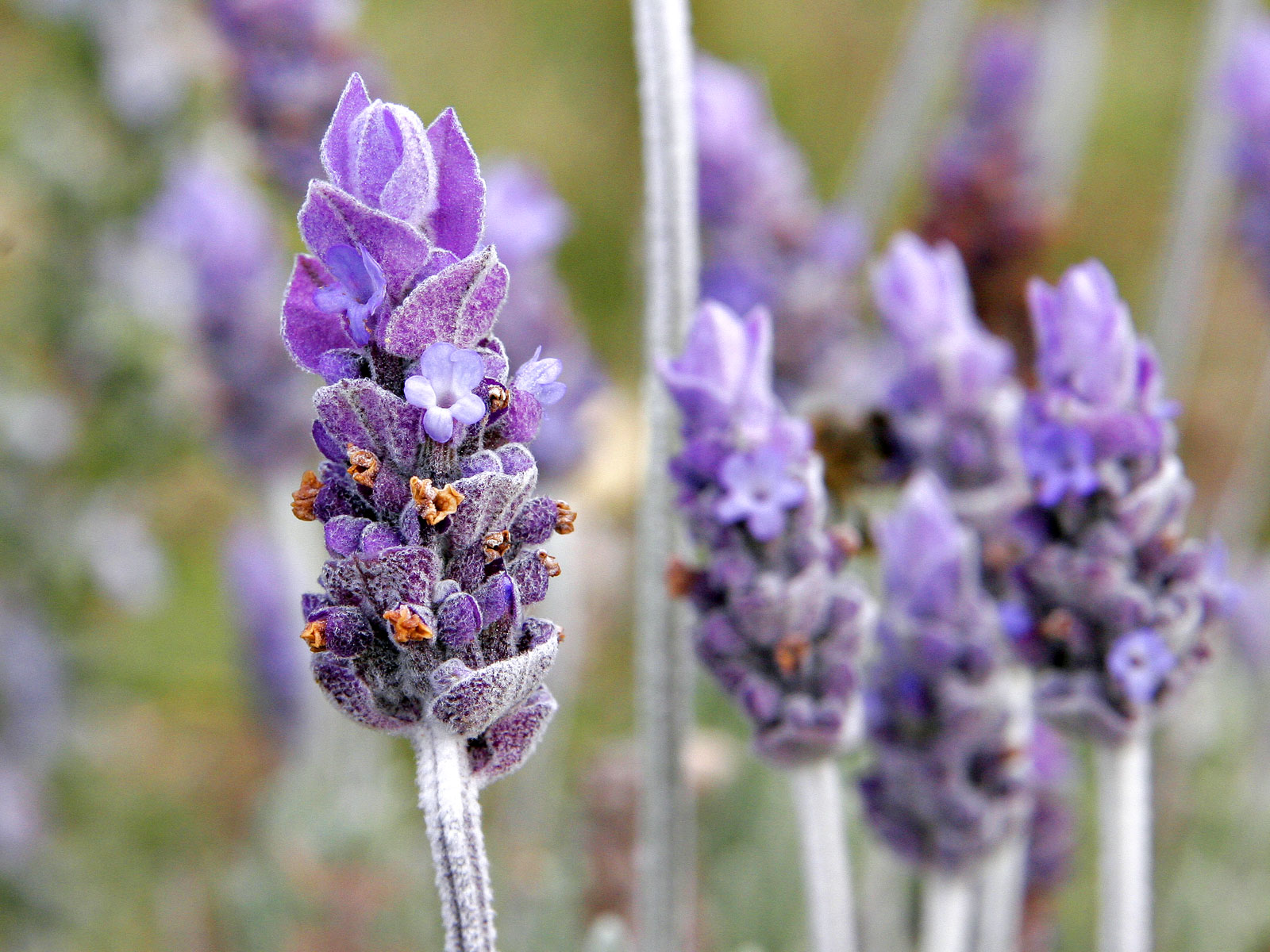
Lavender can be grown outside the coop as an aromatic landscape plant, but it should not be relied upon to repel insects, calm hens, reduce stress hormones, improve laying, or freshen unsafe air. Do not pack dried herbs into nest boxes where dust, mold, or concentrated fragrance may irritate birds; ventilation and clean, dry bedding matter more.
Thyme and Rosemary — Aromatic Garden Herbs
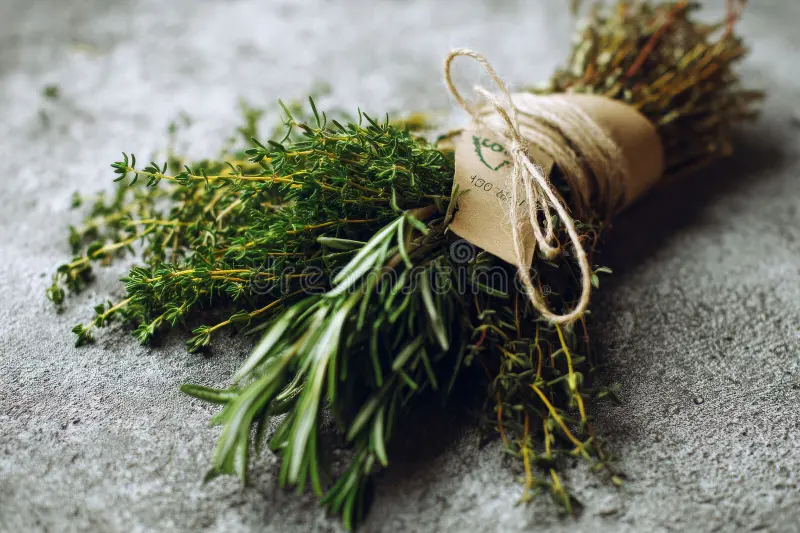
Thyme and rosemary are culinary herbs that may be grown near the flock area when the climate suits them. Fresh sprigs are not proven respiratory treatments and should not be added to bedding or feed as medicine. Keep the coop air clean through ventilation, moisture control, low-dust bedding, and veterinary evaluation of respiratory signs.
A Garden Plant to Keep Out of the Feed Bowl
Comfrey — Useful for Compost, Not Routine Poultry Feeding
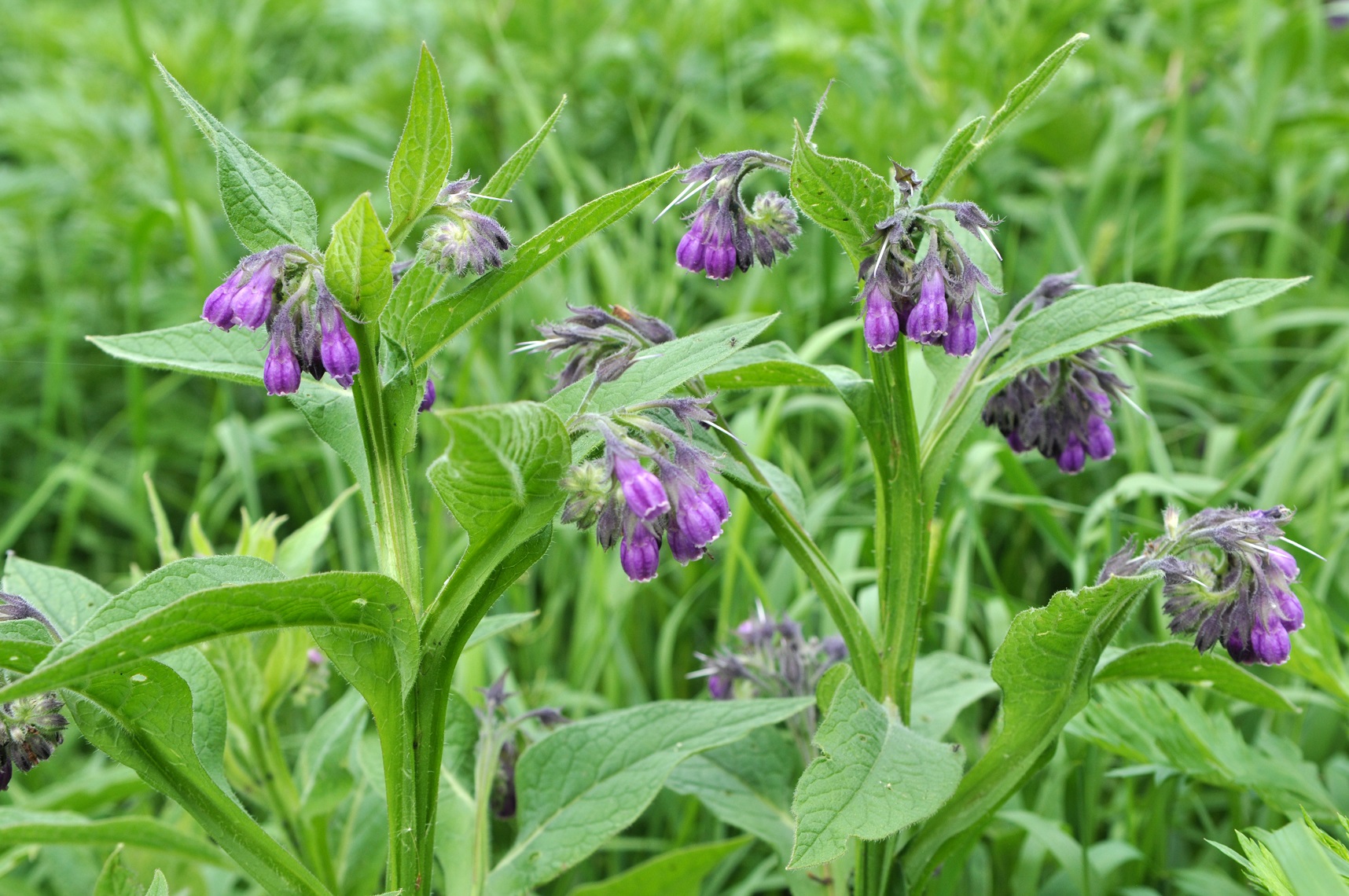
Comfrey is a vigorous perennial often grown for mulch or compost. Because comfrey contains pyrrolizidine alkaloids and safe poultry inclusion levels are not established here, do not present it as a routine high-volume chicken feed. Keep it out of the flock’s regular ration unless a qualified poultry professional has reviewed its use.
Comfrey can spread persistently from root pieces and may be difficult to remove, so check its invasive status and choose its location carefully. Use it for compost or mulch where appropriate, keep it outside the poultry feeding area, and prevent birds from consuming large quantities.
Your Garden and Your Flock Are Already a Partnership — You Just Need to Plant for Both
Start with two or three suitable plants, observe how they perform in your climate, and introduce flock-safe garden foods in modest amounts. Results—including feed savings, yolk color, and plant survival—will vary, while the complete ration should remain the nutritional foundation.
Sources and Further Reading
- Pacific Northwest Extension: How to Feed Your Laying Hens
- University of Georgia Extension: Feeding Poultry Right
- Merck Veterinary Manual: Pyrrolizidine Alkaloidosis in Animals
- Merck Veterinary Manual: Nutritional Requirements of Poultry
3 thoughts on “10 Plants for a Chicken-Friendly Garden—Treats, Shade, and Enrichment”
Comments are closed.