

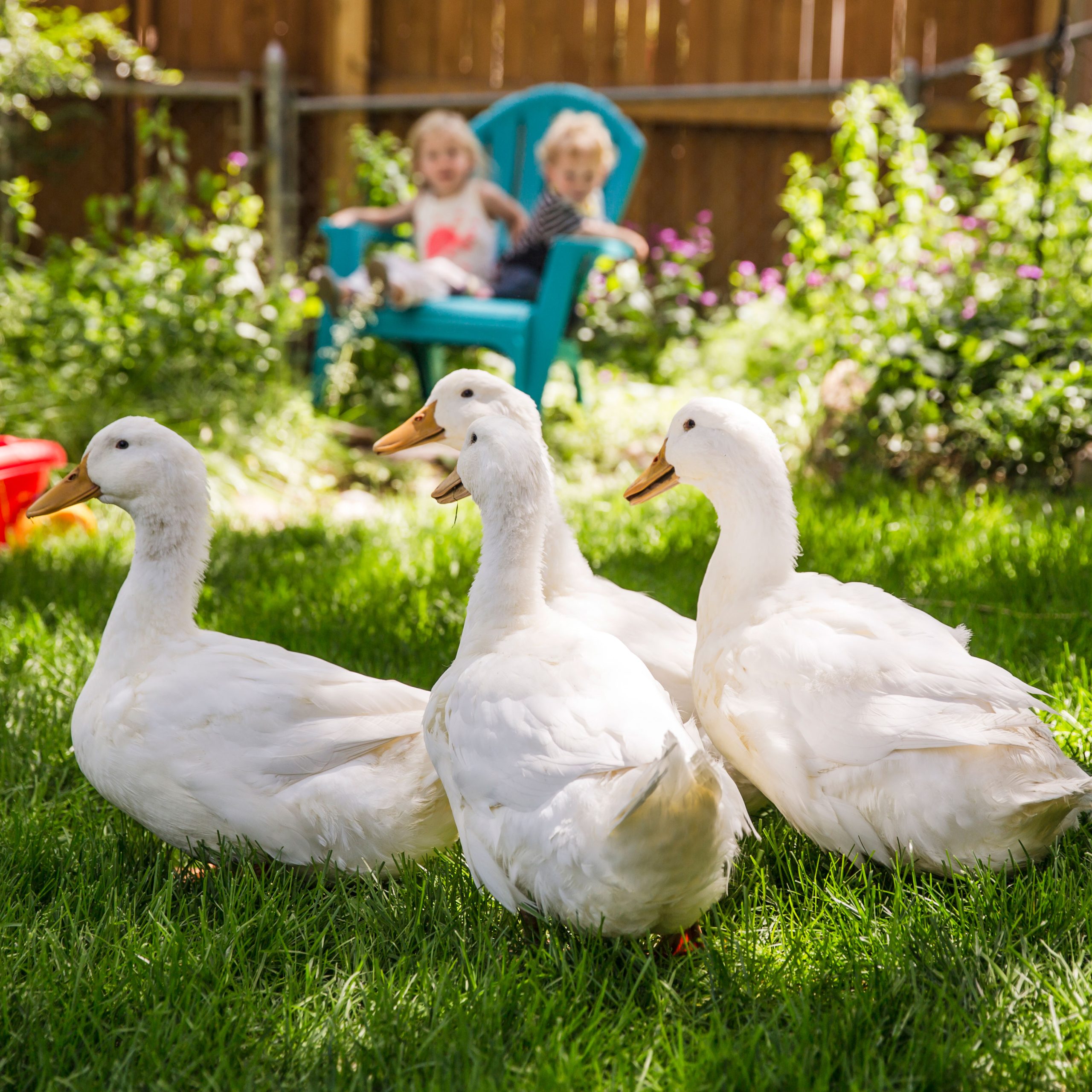
5 Duck Breeds Compared: Eggs, Temperament, Noise, and Care
You have decided to add ducks to your backyard. Now you are standing in front of the breed options, feeling the same way you felt the first time you looked at the chicken breed charts — simultaneously excited by the variety and paralyzed by the number of decisions. Egg production, temperament, noise level, space requirements, meat potential, cold hardiness, swimming needs, containment ease — every breed scores differently across every variable, and the “best” duck depends entirely on what you actually want from your flock and what your specific backyard situation allows. This guide compares five widely kept breeds across egg production, temperament, noise, space, broodiness, and management. Breed descriptions are useful starting points, but individual birds, breeding lines, sex, age, handling, and environment can produce substantial variation.
Before You Choose — The Questions That Determine Your Breed
What is your primary goal: eggs, meat, pets, or all three? How close are your neighbors, and how much noise can you tolerate? How large is your containment area? Do you have a water source for swimming or only for drinking? How cold do your winters get? Your honest answers to these five questions will narrow the field significantly before you reach the breed descriptions below.
Breed 1 — Khaki Campbell: A High-Production Egg Breed

Free Backyard Flock Checklist
Planning the rest of your flock setup?
Turn your coop-size estimate into a complete setup plan with our free equipment and preparation checklist.
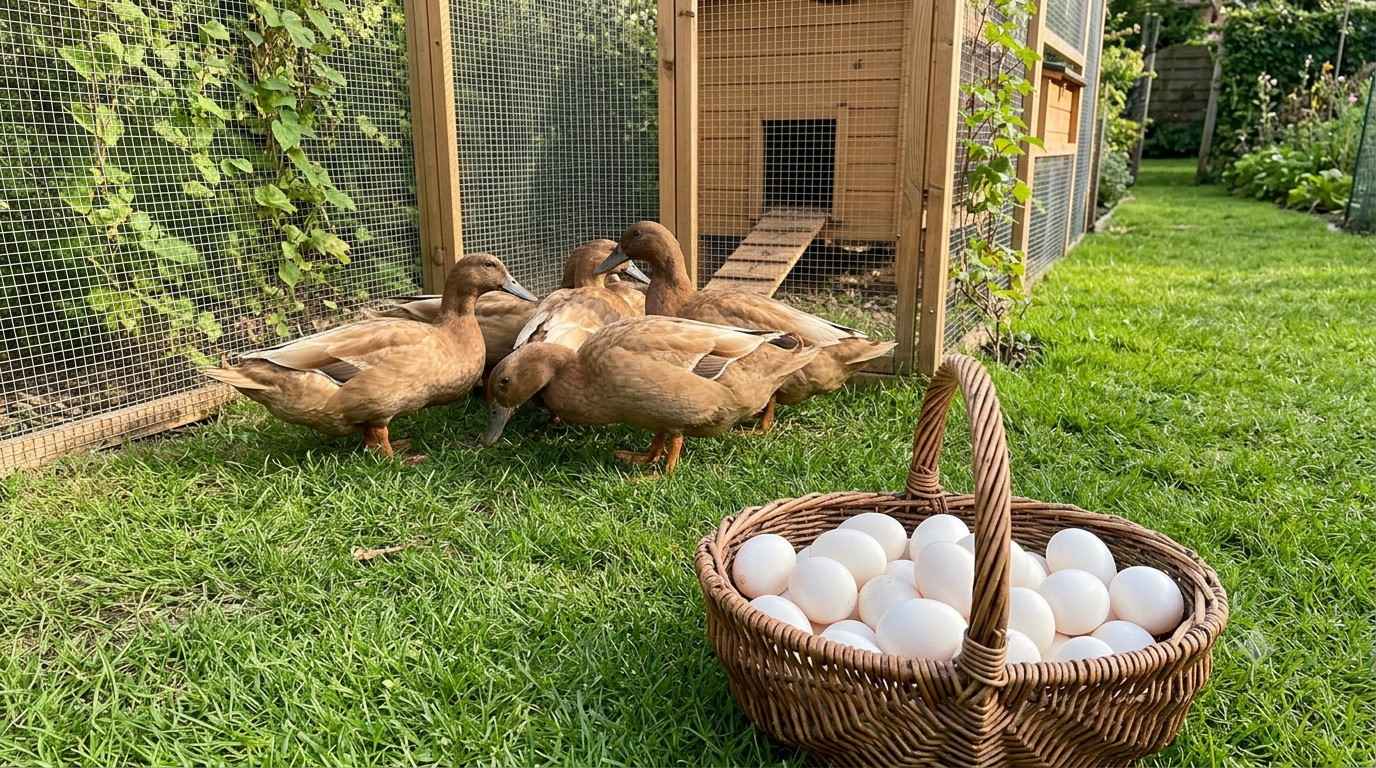
Khaki Campbells are widely recognized as productive egg ducks. Some production strains may approach 300 eggs annually under strong management, but output varies with line, age, nutrition, health, daylight, climate, and housing. Many begin laying during their first year; a fixed five-to-seven-month timetable should not be treated as a guarantee.
For keepers prioritizing eggs, a well-bred production Khaki Campbell is worth considering. Published figures differ among sources and strains, so unusually high annual totals should be read as potential under particular conditions—not an expectation for every hen. Beginners still need suitable feed, clean water, shelter, predator protection, and access to poultry veterinary care.
Khaki Campbells are generally selected for laying and may be less consistently broody than some breeds, but individual hens can still brood. They require the same careful nutrition, hygiene, shade, ventilation, weather protection, and health monitoring as other ducks. Swimming water is not required for drinking, but ducks must always have clean water deep enough to immerse the bill and clean their eyes and nostrils; managed bathing water supports normal behavior and feather care.
The temperament note that matters: Khaki Campbells are active, alert, and slightly high-strung compared to the calm breeds below. They are not aggressive, but they are not lap ducks either. They manage their own affairs efficiently and produce eggs with the focus of a professional. If you want eggs and find the self-sufficient nature of a working breed appealing, the Khaki Campbell is your duck.
Often considered for: Keepers prioritizing egg production who can provide sufficient space, weather-appropriate housing, and consistent daily care.
Breed 2 — Pekin: A Popular Dual-Purpose Duck
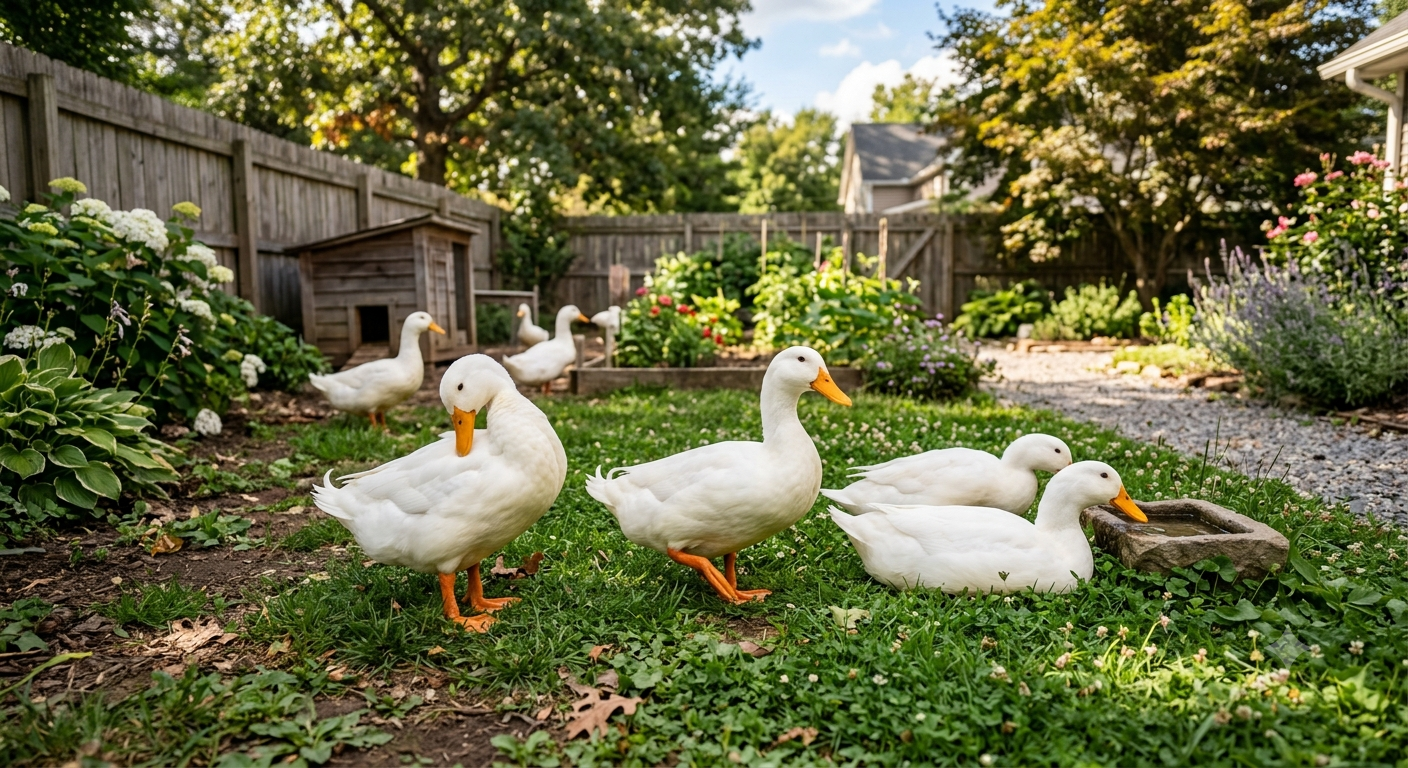
Pekins are large, white, widely kept dual-purpose ducks. Some lines are calm and comfortable around people, while others are more reserved. Egg production varies substantially by strain and management; commercial egg-type Pekins and meat-selected Pekins should not be assumed to perform alike. Children must be supervised, taught gentle handling, and kept away from territorial or frightened birds.
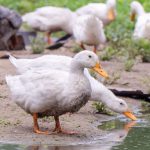
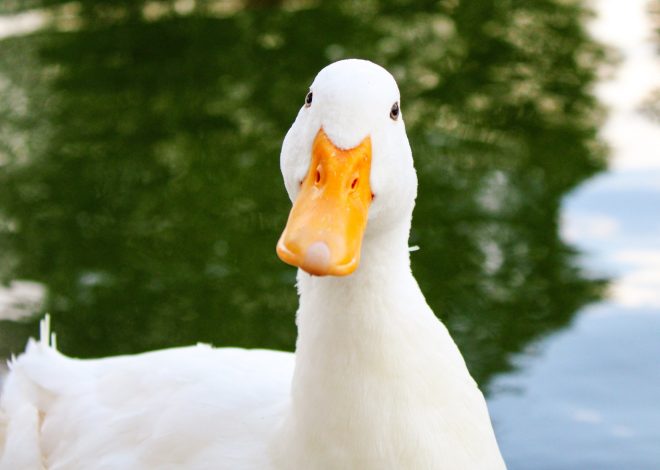
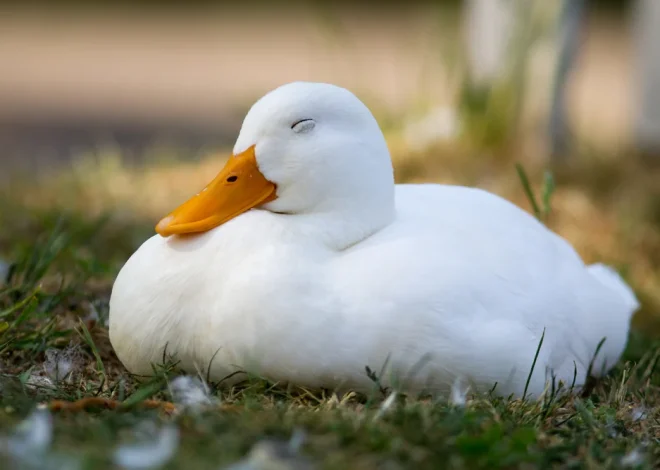
Pekins have the familiar white plumage, orange bill, and broad-bodied appearance many people associate with domestic ducks. They can become engaging flock birds with calm handling, but no breed guarantees pet-like behavior.
Female Pekins can provide useful seasonal egg production, but annual totals vary widely by strain, age, health, daylight, nutrition, and management. Their white plumage has a commercial advantage — Pekin carcasses dress clean, leaving no colored pin feathers behind. The Pekin’s only significant limitations for backyard keeping are noise — female Pekins are loud quackers whose enthusiasm for announcing everything to everyone is considerable — and size, which means their water and space requirements are proportionally larger than smaller breeds.
Pekins are calm, gentle, and easy to handle. They grow quickly and are known for meat production, but they also lay eggs reliably and make fun, sociable pets.
Often considered for: Keepers prepared for a large, vocal duck and interested in a familiar dual-purpose breed. Adult supervision is essential around children.
Breed 3 — Muscovy: The Quiet, Independent, Genuinely Different Duck
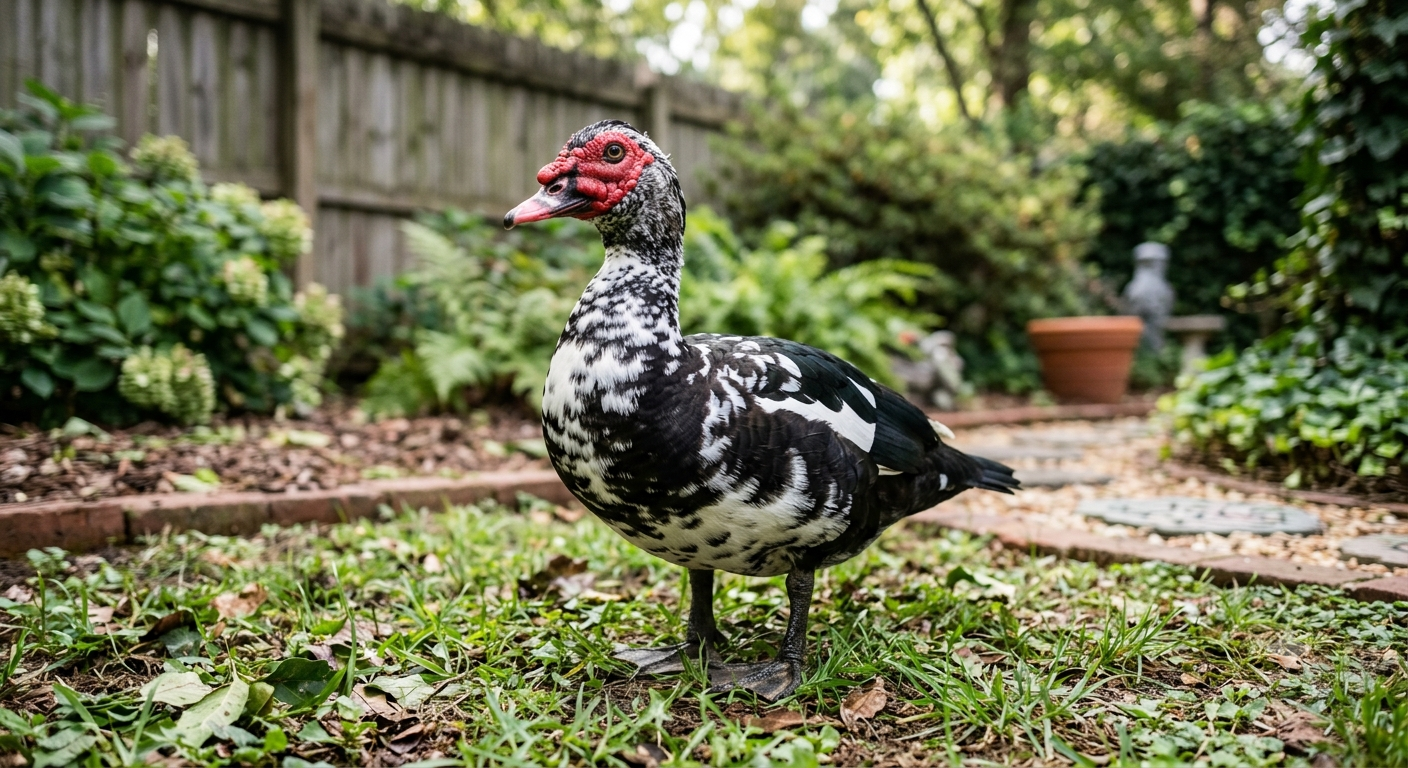
Muscovies generally do not produce the loud, repeated quack typical of female Mallard-derived duck breeds, but they are not silent: they hiss, trill, pant, and make other sounds. Noise tolerance and local rules still matter. They are capable fliers, may perch or roost above ground, and require containment designed for their behavior.
The Muscovy deserves its own category of understanding because it is technically a different species from every other domestic duck. The Muscovy is technically a different species from other domestic ducks — Cairina moschata rather than Anas platyrhynchos. This has practical implications: the Muscovy incubation period is 35 days rather than the standard 28, they can crossbreed with Pekins to produce the sterile Moulard duck, and they have a genuinely different behavioral profile from Mallard-derived breeds.
Muscovy hens are often persistent brooders and may hatch ducklings naturally, but fertility, hatchability, and maternal success vary. A broody hen confronting a predator is at serious risk and must never be used as protection; secure housing and appropriate barriers remain essential. Prospective keepers should also check local rules because Muscovy ownership, sale, or release may be regulated in some jurisdictions.
The appearance note: Muscovies have red facial caruncles — the fleshy red skin around their bill and eyes — that some people find striking and others find alarming. They are perfectly healthy features of the breed, not signs of disease, but they do make the Muscovy the most visually distinctive domestic duck breed and the one most frequently described as unusual-looking by people seeing them for the first time.
Often considered for: Keepers interested in natural broodiness who can manage flight, perching, containment, local regulations, and species-specific behavior.
Breed 4 — Welsh Harlequin: The Beautiful Layer That Will Hatch Her Own
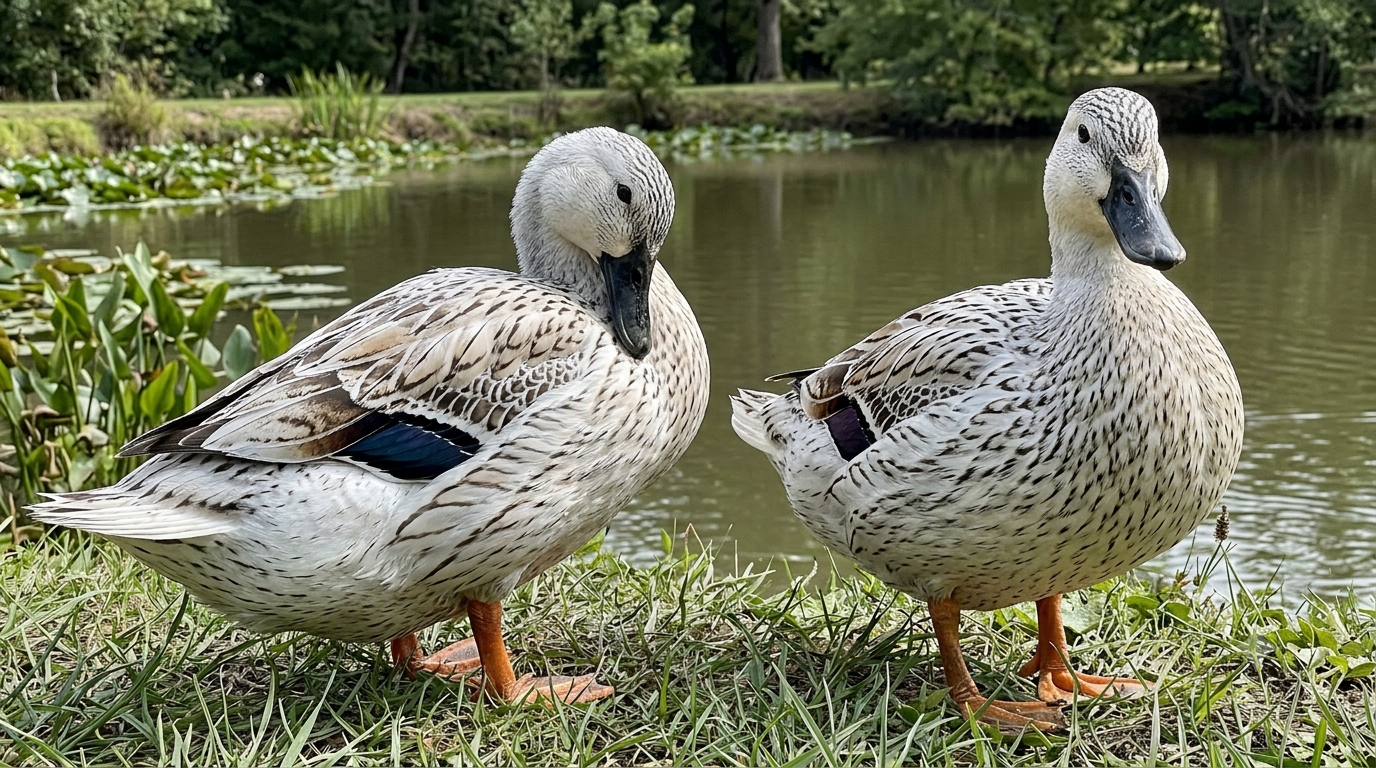
Welsh Harlequins are recognized as productive layers, although annual output and temperament vary by line, individual, and management.
Developed in 1949 in Wales, the Welsh Harlequin is quickly becoming a favorite among backyard duck keepers. Originally bred from off-colored Khaki Campbells, this newer breed brings together beauty, productivity, and personality. Welsh Harlequins are often described as active foragers with relatively calm temperaments. Some females become broody, but neither temperament nor natural hatching is guaranteed. Free-ranging exposes any duck to predators and requires a site-specific risk assessment and supervision plan.
The Welsh Harlequin may combine useful egg production with a greater tendency toward broodiness than some production-focused lines. Direct numerical comparisons and temperament rankings should be treated as approximate because breeding strain and management strongly affect both. For the keeper who wants high egg production and the option of hatching ducklings without an incubator, this is the breed that most completely addresses both needs simultaneously.
The visual appeal of the Silver Welsh Harlequin — the females’ complex, lace-like feather patterns in silver, cream, and chestnut — makes them among the most beautiful domestic duck breeds available and one of the most photographed for exactly this reason.
Best for: High egg production with broody option, free-ranging flocks, and keepers wanting a beautiful breed with practical performance.
Breed 5 — Indian Runner: The Quirky Forager Who Earns Their Keep
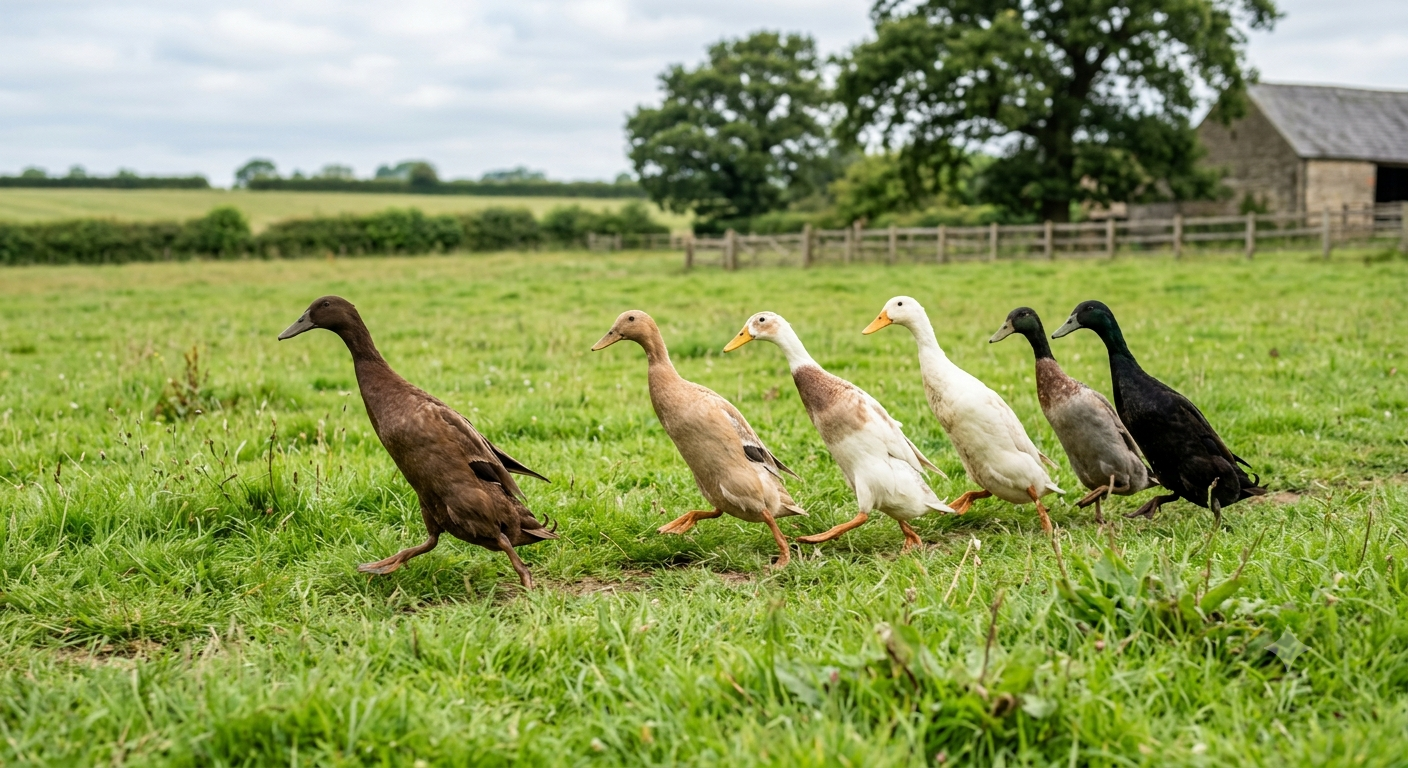
Indian Runners are active, upright ducks valued for foraging and egg production. Some strains may produce high annual totals, but output varies with genetics and management. Their activity level and alert temperament may not suit every small backyard.
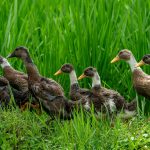
The Indian Runner is the duck that makes people stop and stare. Their upright, penguin-like posture — a result of their unusually vertical skeletal alignment — combined with their distinctive running gait (they do not waddle, they genuinely run), creates one of the most immediately recognizable and endlessly entertaining duck behaviors in any backyard. They come in an extraordinary range of colors — fawn, white, chocolate, blue, black, penciled — and their slim, elegant body shape is unlike any other domestic duck breed.
Indian Runners can forage actively for insects, slugs, and snails, but they do not provide complete pest control and may also damage tender plants or compact wet soil. Garden access should be supervised and kept separate from pesticide-treated areas.
Best for: Pest control in gardens and orchards, keepers who want entertainment alongside production, and large free-ranging spaces.
The Breed You Choose Reflects the Life You Want to Give Them
Each breed offers different tendencies rather than guaranteed outcomes. Match the bird’s likely adult size, activity, noise, broodiness, flight ability, climate needs, and production traits to your property and goals. Regardless of breed, commit to secure housing, balanced nutrition, clean drinking water, managed bathing opportunities, daily observation, and a plan for veterinary care. Longevity and productivity vary, so avoid assuming a fixed decade of performance.
Sources and Further Reading
- Oklahoma State University: Khaki Campbell Ducks
- Oklahoma State University: Pekin Ducks
- Oklahoma State University: Muscovy Ducks
Continue Exploring Your Backyard Flock
Use these closely related guides to plan your next steps:
5 thoughts on “5 Duck Breeds Compared: Eggs, Temperament, Noise, and Care”
Comments are closed.