
When Egg Laying Slows or Stops: 10 Checks for Backyard Hens
She should be lying. Everything looks fine. Nothing has visibly changed. And yet the nesting box is empty day after day, and you are running out of ideas. This guide is for exactly that moment — the one where you have already done the obvious things and the eggs still are not coming. These are ten practical checks that can help identify common reasons egg production slows or stops. Some pauses are normal, and no intervention can guarantee that laying will resume.
Try This First, Then Move Through the List
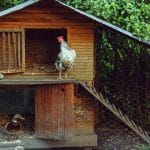
Before attempting any of the ten interventions, confirm one baseline: check whether your hen is actually not laying or is simply laying somewhere other than the nesting box. A hen that has decided the corner of the coop, behind the feed bin, or under a bush in the yard is preferable to the nesting box will stop laying without any biological problem at all. Do a thorough search of every corner of your coop and run before concluding that production has genuinely stopped.
1. Review Seasonal Daylight Before Adding Artificial Light
Shorter days commonly reduce egg production, and allowing a natural winter pause is a reasonable backyard-flock choice. Supplemental lighting is optional—not risk-free or automatically appropriate. If it is used, obtain species-appropriate guidance for total photoperiod, gradual schedule changes, fire-safe fixtures, protected wiring, and adequate darkness for rest. Do not rely on one bulb wattage or mounting height for every coop.
Free Backyard Flock Checklist
Planning the rest of your flock setup?
Turn your coop-size estimate into a complete setup plan with our free equipment and preparation checklist.
2. Check Whether Treats Are Diluting a Complete Ration
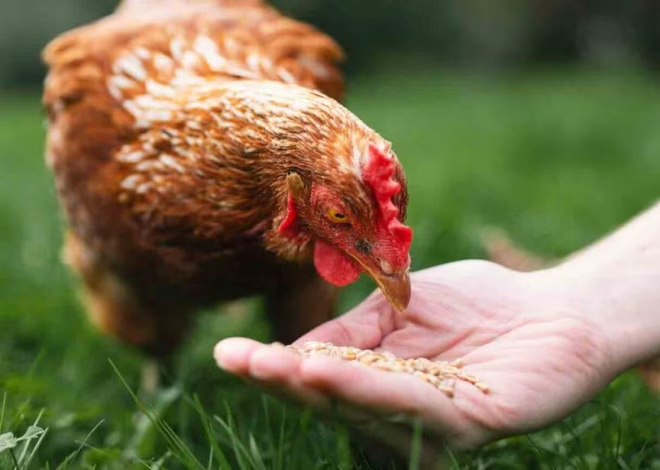
Offer a nutritionally complete feed appropriate to the bird’s age and laying status, and keep treats or scratch limited so they do not displace the balanced ration. Check the feed label, freshness, storage conditions, access, and whether subordinate hens can eat without being driven away. A change in egg count after altering feed does not by itself diagnose a deficiency; illness, molt, daylight, age, broodiness, and stress may overlap.
3. Review Calcium and Complete-Feed Intake
Calcium is essential for shell formation, but reduced laying has many possible causes and should not automatically be treated as calcium deficiency. Hens consuming a complete layer ration may also be offered an appropriate coarse calcium source separately. Chicks, growers, roosters, and mixed flocks have different needs, so do not replace their balanced feed with a high-calcium layer ration without qualified guidance.
Thin or soft shells can involve nutrition, age, heat, disease, stress, or temporary reproductive irregularities. Offer any calcium product according to its label and keep it separate from the complete feed. Birds do not self-regulate perfectly, and a one-week response is not guaranteed. Repeated abnormal shells, weakness, reduced appetite, or other illness signs warrant veterinary assessment.
4. Check Her Body Weight and Adjust Feed Accordingly
Both underweight and overweight hens show reduced laying. An underweight hen does not have sufficient nutritional reserves to complete egg formation. An overweight hen — often caused by excessive scratch grain or corn — develops fat deposits in the reproductive tract that physically impair the laying process. Overweight hens develop fat around their reproductive organs, which directly impairs laying ability. Pick up your hen and run your fingers along her keel bone — the long bone down the center of the chest. A hen in ideal laying condition has a keel bone that is palpable but not sharp or prominent. A hen with a very sharp, prominent keel bone is underweight and needs more feed. A hen whose keel bone is difficult to feel under a layer of fat is overweight and needs less scratch grain and more genuine exercise.
5. Conduct a Thorough Parasite Check Tonight
Parasites such as mites, lice, or internal worms can interfere with laying. Check hens monthly for external parasites by looking closely at the skin around their vents and under their wings.
Mites and lice are most active at night. Conduct your parasite check after dark by going into the coop with a flashlight and parting the feathers around the vent area, under the wings, and along the base of the neck on each hen. Red mites — among the most damaging external parasites to laying hens — are visible as tiny red or dark dots moving on the skin, and you may also see them in cracks in the coop wood during the day. A hen supporting a significant mite infestation is diverting nutritional resources to immune response and is under significant physical stress, both of which directly suppress laying. If parasites are suspected, identify the organism before treatment and follow a product specifically labeled for the bird, premises, and jurisdiction. Observe application directions, protective measures, retreatment timing, and egg or meat withdrawal requirements. A poultry-experienced veterinarian or extension professional can help distinguish mites, lice, and internal parasites and avoid ineffective or unsafe treatment.
6. Evaluate and Eliminate Every Stressor in the Coop Environment
Stress is one of the most overlooked causes of hens not laying eggs. Chickens are creatures of habit and can be easily thrown off by environmental changes, new flock members, predators, excessive noise, cramped coops, relocation, or extreme weather.
Walk slowly around the coop and run at different times of day, looking for things that have recently changed. A new dog next door patrols the fence line. Construction sounds from a nearby property. A rooster that has become aggressive and is chasing hens off the feeder. A hen low in the pecking order that is being prevented from accessing the nesting boxes by higher-ranking birds. A coop that was adequate in winter but is now overcrowded as the young pullets have grown. Each of these is a stress trigger that suppresses production across the affected hens. Correct any identified stressor and monitor the whole flock. Recovery time varies, and laying may remain reduced when daylight, molt, age, illness, or several factors are involved.
7. Avoid Treating Probiotics or Fermented Feed as a Cure
A probiotic is not a general treatment for reduced laying, and product strains, quality, evidence, and intended uses differ. Do not use supplements to delay investigation of nutrition, parasites, reproductive disease, or other illness.
Home-fermented feed can become contaminated if preparation, temperature, acidity, storage, or hygiene is poorly controlled. It is not necessary when a complete ration is fed and should not be promised to restore production. If you choose to use it, obtain a validated poultry-specific method and discard any batch with mold, an abnormal odor, or uncertain handling.
8. Introduce a Fake Egg or Golf Ball Into the Nesting Box
This intervention addresses a specific and common problem: a hen that has lost the nesting box habit and needs a visual cue to re-establish it. Place a ceramic dummy egg, a wooden egg, or a plain white golf ball into each nesting box. A clean dummy egg can help show young hens where a suitable nest is located, but it does not physiologically trigger egg production. The most common method to encourage nesting behavior is to place artificial eggs in the nest. Leave them for an extended period and make the nest accessible to the hen. This approach is particularly useful for young pullets approaching their first laying period who have not yet established a nesting routine.
9. Confirm She Is Not Egg-Bound Before Assuming a Behavioral Cause
When a hen is egg-bound, the egg is physically stuck inside the hen. This is a rare occurrence, but it should be treated seriously as it can lead to death. An egg-bound hen will show specific, observable symptoms that distinguish this medical emergency from a standard laying pause. She will appear hunched, walk with a penguin-like, wide-legged gait, strain repeatedly in a squatting posture without producing an egg, may have a visibly distended lower abdomen, and will appear lethargic and distressed. An egg-bound hen cannot wait — this is a same-day veterinary emergency. Do not squeeze the abdomen, insert anything into the vent, or attempt to break or extract an egg. These actions can cause serious injury. Keep the hen quiet and contact a poultry-experienced veterinarian promptly; similar signs can result from several reproductive or abdominal emergencies.
10. Allow Natural Rest and Address the Underlying Cause
Sometimes the correct intervention is no intervention at all. A hen that has been laying intensively for 18 months, gone through a molt, managed a disease challenge, and navigated a winter of reduced light has done an enormous amount of biological work. Natural pauses during molt, shorter days, broodiness, or aging do not require forced production. Continue providing a complete diet and clean water; do not deliberately restrict calories to induce a reset. Address illness or husbandry problems, and allow normal seasonal rest. Future laying depends on age, breed, health, season, and individual biology.
Work Through the List Systematically, and the Answer Will Reveal Itself
Not every check applies to every hen, and several causes can occur together. Start with observation, diet, daylight, molt, broodiness, age, stress, and flock access to resources. Seek veterinary help for lethargy, breathing difficulty, abdominal swelling, straining, abnormal discharge, weight loss, neurologic signs, repeated abnormal eggs, or a persistent unexplained decline. Laying may or may not return.
Sources and Further Reading
- Oregon State University Extension: Why Did My Chickens Stop Laying?
- Virginia Cooperative Extension: Why Have My Hens Stopped Laying?
Continue Exploring Your Backyard Flock
Use these closely related guides to plan your next steps:
2 thoughts on “When Egg Laying Slows or Stops: 10 Checks for Backyard Hens”
Comments are closed.