




9 Features Every Well-Designed Chicken House Needs
Most chicken problems — predator losses, low egg production, illness, behavioral issues, stressed birds — trace back, sooner or later, to the chicken house. Get the coop right, and the rest of chicken keeping falls into place with surprising ease. Get it wrong, and every other effort is working against a structural disadvantage.
This guide covers everything that separates a chicken house that merely exists from one that your flock genuinely thrives in. The difference is smaller and more achievable than most first-time builders realize.
The Foundation: Size It Right
The single most common chicken house mistake is building too small. The guidelines exist for real reasons: four square feet of enclosed coop space per bird minimum, ten square feet of attached run space per bird minimum. These are floors, not targets.
Free Backyard Flock Checklist
Planning the rest of your flock setup?
Turn your coop-size estimate into a complete setup plan with our free equipment and preparation checklist.
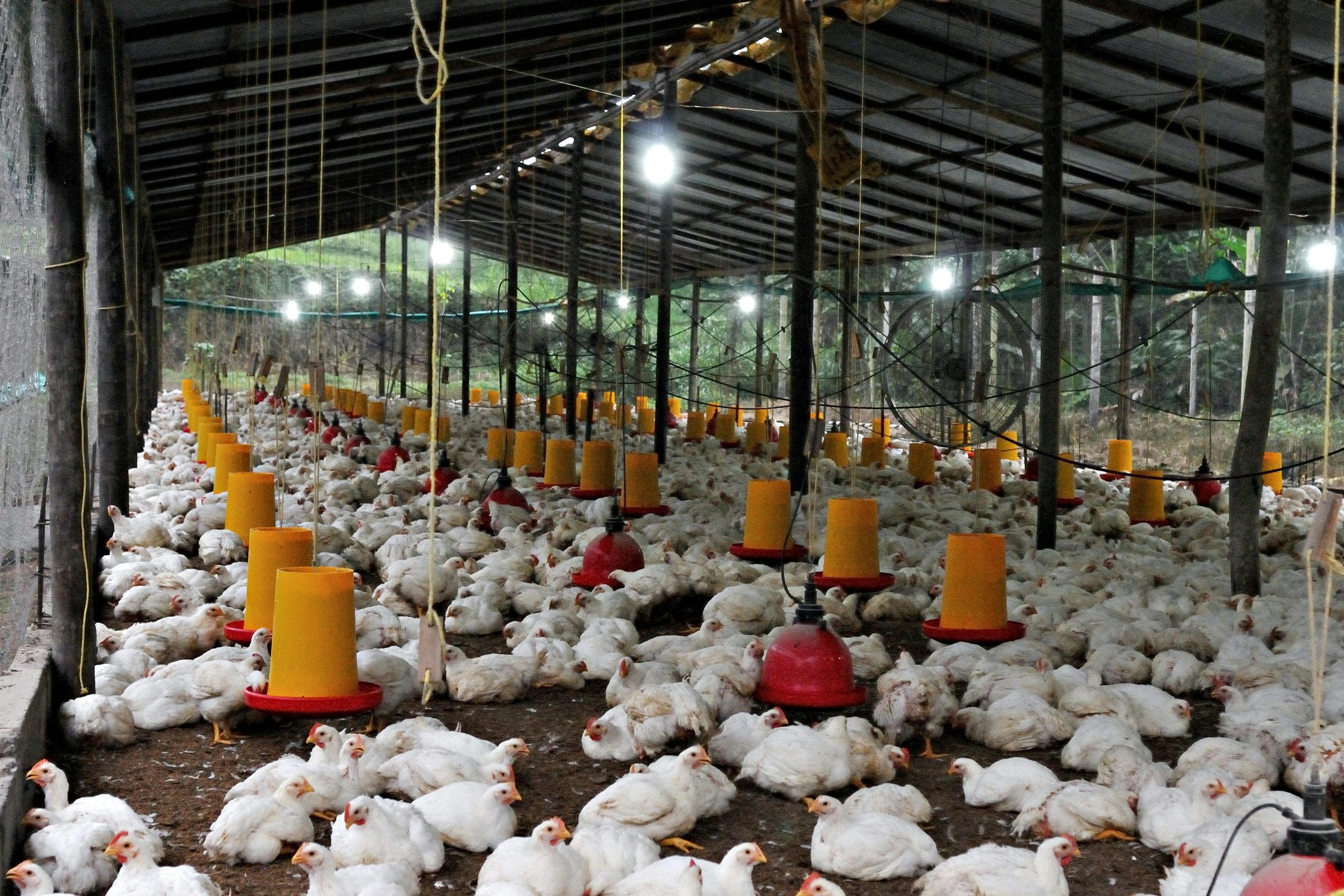
Overcrowded birds are stressed birds. Stressed birds peck each other, stop laying reliably, become more susceptible to illness, and make the entire experience of chicken keeping harder than it needs to be. Building slightly larger than you think you need — allowing for the flock expansion that almost always happens — is one of the most practical investments you can make.
If you’re starting with six hens, build for ten. The cost difference is modest. The difference in management experience is significant.
The Non-Negotiables Inside Every Chicken House
Roost bars come first. Chickens roost — they sleep on elevated bars, not on the floor — and this is a hard behavioral instinct you cannot train away or work around. Roost bars should be positioned at a comfortable height (18 to 24 inches minimum off the floor), wide enough for birds to stand on comfortably without gripping (a 2×4 on its flat side is the standard recommendation), and provide 8 to 10 inches of linear space per bird.
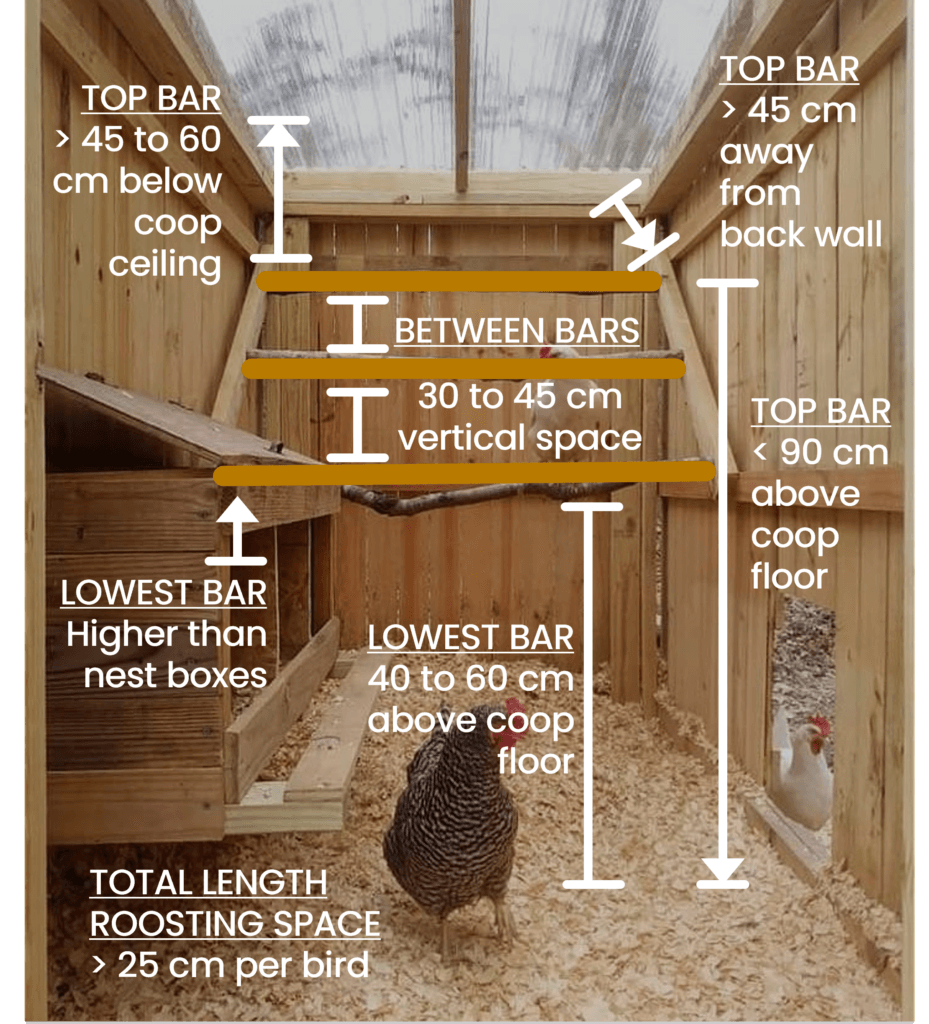
Position roost bars higher than nesting boxes. Chickens will always try to sleep at the highest available point, and you don’t want your hens roosting in the nesting boxes, soiling the clean laying space.
Nesting boxes are essential. One box for every three to four hens, positioned 12 to 18 inches off the floor, approximately 12×12 inches in size, darker and slightly enclosed to provide the privacy hens strongly prefer for laying. Keep them consistently filled with clean, dry nesting material — pine shavings, straw, or commercial nesting pads.
Ventilation is perhaps the most overlooked element in an indoor chicken coop. Chickens produce significant moisture and ammonia from their droppings. Without adequate ventilation, moisture buildup leads to respiratory disease, and ammonia buildup leads to eye and lung irritation that becomes serious quickly. Vents near the roofline — above the level where birds roost — provide airflow without drafts.
Predator Protection: The Part You Cannot Compromise On
Predators are the most emotionally devastating part of backyard chicken keeping, and virtually every loss is preventable with proper construction. This is not a place for shortcuts.
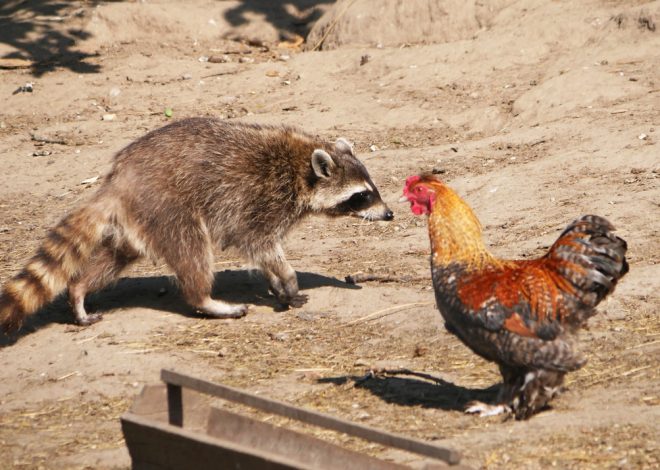
Hardware cloth — the welded metal mesh with small grid openings — should cover every window, vent, and opening. Chicken wire is not a substitute. Chicken wire keeps chickens in; it does not keep predators out. Raccoons can and will tear through standard chicken wire with ease.
Doors must latch securely. Spring-loaded latches or carabiner closures prevent raccoons — which can manipulate simple hook latches with their dexterous front paws — from opening doors that appear closed.
An apron of hardware cloth buried 12 inches underground around the perimeter of the run stops digging predators. Many losses attributed to “mysterious disappearances” are the result of foxes, skunks, or weasels digging under run walls overnight.
An automatic door opener — a solar-powered mechanical door that opens at dawn and closes at dusk — provides failsafe protection on nights when you forget or can’t close the coop manually. It is one of the highest-value single investments you can make in your chicken house.
The Chicken House Floor: Your Three Real Options
The floor of your chicken house determines how easy cleaning is, how safe your birds are from ground predators, and how well you manage moisture. The three main approaches each have genuine tradeoffs.
A dirt floor is the most basic option. It allows natural drainage and lets chickens scratch naturally. The disadvantage is that it also provides easy access for digging predators and can become saturated and difficult to manage in wet climates.
A solid wood floor is the most common choice in prefabricated coops. Easy to clean, easy to line with bedding, no predator access. The disadvantage is that it requires more active management to prevent moisture buildup and needs to be replaced over time as wear accumulates.
A hardware cloth floor — set into a frame — provides maximum predator protection and drainage, but is harder on chicken feet for birds that spend most of their time inside. Better suited to runs than enclosed coop floors for longer-term comfort.
Most experienced chicken keepers land on wood floors with deep litter management — building up layers of carbon-rich material (pine shavings, dry leaves, straw) over time and managing moisture through regular turning rather than full removal. The deep litter method, done correctly, produces excellent compost material and makes coop cleaning far less frequent.
Light and the Laying Cycle
Hens need roughly 14 to 16 hours of light daily to lay consistently. In summer, natural daylight provides this. In winter, natural daylight drops well below this threshold in most climates, and egg production drops accordingly — sometimes to zero in the shortest winter weeks.
Supplemental lighting inside the chicken house — a simple incandescent or LED bulb on a timer, adding light in the early morning hours before dawn — extends the effective day length and maintains more consistent winter egg production.
This is entirely the keeper’s choice. Many people allow their flocks to follow natural seasonal cycles, accepting lower winter production as part of the natural rhythm. Others prefer the consistency of year-round production. Both approaches are legitimate. Having the lighting infrastructure in place gives you the option to choose.
Final Thoughts
The chicken house is the heart of everything — the daily routine, the health of the flock, the egg production, the entire experience of farm life with chickens. Build it well, equip it thoughtfully, and it will reward that investment every single day for years. Save this for your build planning, share it with anyone who’s starting their first coop, and come find us on Pinterest for the aesthetic inspiration to go with the practical foundation. 🐔🌿
Good design is specific to your flock
No single coop plan suits every location. Breed size, summer heat, winter moisture, local predators, drainage, and the hours birds spend confined all change the design. Build with room to inspect every corner, clean without dismantling the coop, and adjust ventilation as conditions change.
Sources and further reading
- University of Minnesota Extension: Raising chickens for eggs
- CDC: Backyard Poultry and Public Health
- Utah State University Extension: Poultry resources
Continue Exploring Your Backyard Flock
Use these closely related guides to plan your next steps:
2 thoughts on “9 Features Every Well-Designed Chicken House Needs”
Comments are closed.