



11 Surprising Things That Happen When You Get Backyard Ducks
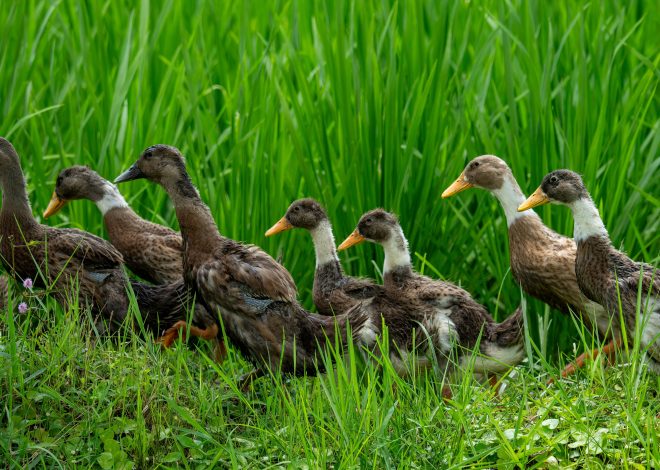
You have seen the Pinterest photos. A beautiful backyard with a charming little duck house, ducks waddling contentedly through lush green grass, a small pond glinting in the afternoon light. The whole scene looks like a dream, and if you are honest with yourself, part of your desire to get backyard ducks traces directly to one of those images.
Here is the thing: those images are real. Backyard ducks genuinely look like that, at specific moments, in good light. And the rest of the time—the muddy reality, the extraordinary mess, the 6 am quacking that carries half a mile on a still morning, the management work the beautiful photographs don’t include—is also genuinely worth it.
These eleven things are what the photos don’t show. Know them before you get your first ducks. It will make the beautiful moments more beautiful, because you will know what you earned them with.

Free Backyard Flock Checklist
Planning the rest of your flock setup?
Turn your coop-size estimate into a complete setup plan with our free equipment and preparation checklist.
1. Ducks Are Significantly Wetter and Messier Than Chickens
This cannot be overstated. Ducks are wet, poopy — but also lovable — creatures. So keep in mind how you will keep them dry. Also, how will you access cleaning and egg collecting?
The combination of constant water use and the volume of liquid-heavy waste that ducks produce means that the area around a duck setup is genuinely, persistently wet and muddy in a way that a chicken setup of the same scale is not. This is manageable with the right infrastructure — good drainage, pea gravel around water sources, regular bedding management — but it is a real difference from chicken keeping that catches people off guard.
The person who has been keeping chickens for three years and decides to add ducks will be surprised. Not negatively — but surprised. The cleanup routine is different, the infrastructure demands are different, and the standard of “clean” requires recalibration.
2. They Will Not Go to Bed by Themselves
Chickens, reliably, put themselves to bed at dusk. Every chicken keeper knows this — the flock simply returns to the coop as the light fades, and closing the door is a two-second task.
Ducks will not always go into the coop when you want them to. Build your enclosure so that when the door is open, it hits the fence — this allows you to herd them in if needed, otherwise you might be circling the coop for hours.
This is not because ducks are less intelligent than chickens. It is because ducks have different instincts about nighttime — wild ducks rest on water at night rather than retreating to enclosed shelter, and domestic ducks retain some version of this instinct. With training — a consistent food call at closing time, established routine — most flocks develop reliable coop-return behavior within a few weeks. But unlike chickens, this behavior requires deliberate development rather than occurring naturally.
3. Their Eggs Are Worth the Effort
Duck eggs are larger than chicken eggs and are known for their rich flavor.
This is not a minor difference in palatability. The yolk-to-white ratio is higher, the yolk color is deeper and more orange, the flavor is distinctively richer, and the baking properties of duck eggs are genuinely superior to chicken eggs — the higher fat content produces fluffier cakes, better-binding pastry, and richer custards that baking professionals specifically seek out duck eggs for.
Once you have made scrambled eggs from your own fresh duck eggs and the eggs of an attentive, well-fed flock, the comparison to store-bought chicken eggs is significant enough to understand immediately why people who keep ducks consistently describe the eggs as the most tangible and immediate reward of the whole enterprise.
4. They Need Real Water — More Than You Think
Ducks always need clean drinking water deep enough to submerge their bills and clear their nostrils. A safe bathing container also supports preening and enrichment, but bigger and deeper is not automatically better: birds need easy entry and exit, stable footing, clean water, and supervision when a setup is new.
Ducks without adequate swimming water are not fully able to express their natural behaviors. They use swimming for thermoregulation, for preening (which requires full body immersion to be effective), for social play, and for the specific frenzied diving activity that appears to be pure joy and is one of the most entertaining things in backyard duck keeping to witness.
A shallow, easy-to-drain tub can be more practical and hygienic than a pond. Choose a container you can empty and scrub regularly, while ensuring the flock’s drinking water remains clean even when bathing water becomes dirty.
5. They Have Distinct and Consistent Personalities
Within weeks of your flock’s arrival, you will know each bird individually. The bold one who always comes to you first when you appear. The cautious one who hangs back until she is certain the bold one has not been captured and eaten. The one who is always slightly separate from the group for reasons that are entirely her own.
Ducks are not interchangeable units of poultry. They are individuals with consistent behavioral traits, social preferences, and specific relationships with their flock mates and with you. The keeper who approaches their flock with genuine attention will be rewarded with a level of personality insight that is surprising to most people who have not kept waterfowl before.
6. Drakes Require Deliberate Flock Management
Drakes can require additional management, particularly during the breeding season. Drakes do not cluck. They do not crow They are quieter than hens. They are also, during mating season, relentlessly focused on breeding in ways that can injure or stress hens in a small flock.
There is no universal drake-to-hen ratio: breed, age, season, individual behavior, space, and the presence of multiple males all matter. Ratios such as one drake to several hens are only starting points; separate a persistent male promptly if hens show avoidance, feather loss, wounds, or exhaustion. Many backyard keepers choose an all-female flock for eggs and simplicity. If a drake is kept, monitoring the condition of the hens — particularly their feathers and the skin on the back of their necks — provides the most reliable indicator of whether the sex ratio is working.
7. Predator Pressure Is Real and Requires Active Prevention
If you plan to let them free-range on a pond, you’ll need to start them out with really good training and incentives to get them into a coop at night. So much about what you end up with depends on your climate and predator situation. My neighbor did ducks on her pond for a few years, but could never get them to come in at night, and they just got picked off one by one until she ran out.
Domestic ducks are significantly more vulnerable to predators than wild ducks. They have been selectively bred for docility and egg production — not for predator avoidance. Most domestic breeds cannot fly, move slowly on land, and lack the vigilance of their wild relatives. A secure nighttime shelter and reliable closing routine substantially reduce risk, although no enclosure is permanently predator-proof. Inspect latches, mesh, roofs, floors, and digging barriers regularly.
8. They Are Hardier Than You Expect in Cold Weather
The duck’s thick down insulation — the same insulation that has been harvested for human bedding for centuries — provides extraordinary cold-weather protection. Cold tolerance and winter laying vary with breed, age, health, daylight, wind, moisture, and nutrition. All ducks still need unfrozen drinking water, dry footing, ventilation, and shelter from severe wind and weather.
Our duck coop is an open-air structure that has three sheltered sides and a wide-open southern-facing area. In our experience, this layout has provided strong airflow, but an open-sided design must be adapted to local wind, precipitation, predators, and temperature rather than copied without modification.
The primary winter management concern is not cold but moisture. Damp bedding produces respiratory problems in ducks, and the combination of cold and damp is significantly more damaging than cold alone. Keeping bedding dry through frequent changes and adequate ventilation is the critical winter management task.
9. They Are Natural Garden Allies — With Conditions
Ducks in a garden consume slugs, snails, beetle grubs, and other insects with enthusiasm and efficiency. They do not scratch like chickens — their feet do not disturb soil surfaces the way a chicken’s scratching behavior does — and many gardeners find that duck access to certain garden areas is genuinely beneficial.
The conditions: ducks will consume low-growing plants, seedlings, and berries with equal enthusiasm. They cannot distinguish between a pest slug and a newly planted lettuce seedling. Garden-duck integration requires careful management — specific access to designated areas at specific times, not free-roaming access to established beds during the growing season.
10. Water Changes Are Non-Negotiable
I could not lock mine in and go out of town — their water needs to be changed once or twice a day and their litter cleaned and added to. I pay a dog sitter to come in the morning and evening.
Duck water becomes fouled with extraordinary speed — within hours of being changed, a pool or water container used by several ducks is noticeably dirtier than it was. Daily water changes for drinking water and regular pool refreshes are a core maintenance requirement that cannot be deferred without health consequences for the flock.
This is the commitment to understand before getting ducks. The daily routine — opening the coop, filling clean water, closing the coop at dusk — is non-negotiable. It does not take long. But it must happen every day, rain or shine, busy day or not.
11. You Will Love Them Unreasonably Much
Every duck keeper eventually develops specific, slightly disproportionate affection for individual birds. The duck who learned to respond to her name. The one who follows you around the garden while you work. The one who — despite everything you know about anthropomorphism — appears to be genuinely happy to see you every single morning.
This is not sentimental projection. It is the natural outcome of the daily care relationship that duck keeping requires. You show up for them every day. They respond to you, recognize you, and develop behavioral patterns around your presence. That is a relationship, even if it is a small one. And it is, in the honest assessment of most duck keepers, one of the genuinely unexpected rewards of the whole enterprise.
Plan for the Work as Well as the Charm
Backyard ducks are the combination of beautiful and chaotic that farm life at its best always is. Raising ducks involves both labor and immense happiness; while they bring chaos and mud, they also provide the most incredible eggs imaginable. Many people start with ducks, thinking they are similar to chickens, only to find themselves entirely captivated by their unique charm within the first fortnight.
Before bringing ducks home, confirm local rules and line up secure housing, clean-water capacity, feed, bedding, veterinary access, and a plan for unwanted drakes. Preparation makes the charming parts far easier to enjoy.
Sources and further reading
- Cornell Duck Research Laboratory: Duck housing and management
- Cornell Duck Research Laboratory: Duck nutrition
Continue Exploring Your Backyard Flock
Use these closely related guides to plan your next steps:
2 thoughts on “11 Surprising Things That Happen When You Get Backyard Ducks”
Comments are closed.