


8 Best Duck Breeds for Beginners — And How to Choose the Right One for Your Flock
The breed decision is the most consequential choice you make before getting ducks — more consequential than the coop design, more consequential than the feed brand, more consequential than almost any other variable in your first year of duck keeping. The right breed for your specific situation makes everything easier. The wrong one creates management challenges that persist for the entire life of the flock.
Ducks are generally easier to keep and hardier than chickens, making them an excellent choice for beginner poultry keepers. But choosing the right duck breed is the first step toward a successful and enjoyable duck-keeping experience. Whether you want a prolific egg layer, a friendly pet, or a hardy forager, each breed offers a different mix of productivity, temperament, and beauty.
This guide covers the eight breeds that experienced keepers most consistently recommend to beginners — with honest assessments of the strengths and tradeoffs of each.
Free Backyard Flock Checklist
Planning the rest of your flock setup?
Turn your coop-size estimate into a complete setup plan with our free equipment and preparation checklist.
How to Think About Breed Selection
Before the breeds: three questions that determine which option is right for you.
What is your primary goal? Maximum egg production, friendly pets, meat production, or a beautiful flock for the aesthetic pleasure of it? Different breeds excel at different things and no single breed does everything best.
What is your setup? A small suburban backyard has different space and noise constraints than a rural property with half an acre. Noise levels, space requirements, and flying capability all vary meaningfully by breed.
What is your climate? Most domestic duck breeds are cold-hardy, but some handle extreme heat better than others, and some handle very cold winters better. Matching breed to climate prevents welfare problems and production drops.
Before choosing: Egg totals and temperament descriptions are approximate. Individual birds, strain, age, daylight, nutrition, climate, health, and management can produce very different results. Confirm local rules and source birds from a responsible breeder or hatchery.
1. Khaki Campbell — The Egg Production Champion
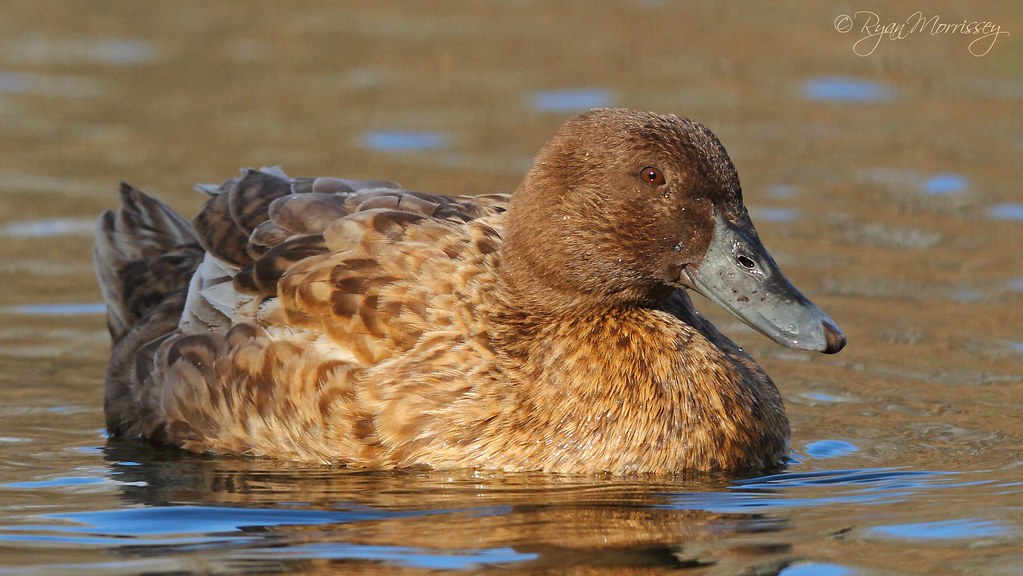
Khaki Campbells are hardy, adaptable to various climates, and prolific egg layers, producing up to 300 eggs per year. They are friendly but independent, making them easy to manage. Personality: Curious and active, but not overly demanding. Egg Production: 250 to 300 eggs per year.
The Khaki Campbell is the breed you choose when eggs are the primary goal. Their laying productivity rivals the best chicken breeds — in favorable conditions, a Khaki Campbell hen lays more consistently and in larger numbers than most laying hens — and the eggs are larger, richer, and more nutritionally dense than chicken eggs.
The trade-off: Campbells are more active and alert than heavier breeds like Pekins. They are active foragers and may need a taller or covered enclosure than heavier breeds. Use secure housing and training rather than assuming wing clipping is necessary or permanent. They are also slightly less friendly with handlers than Pekins, tending toward independence rather than seeking human interaction.
Best for: Egg-focused keepers. Active, alert ducks who entertain through movement and foraging behavior. Keepers who want maximum productivity from minimum feed investment.
Not ideal for: Families wanting highly manageable, lap-duck personalities. Very confined setups with limited foraging space.
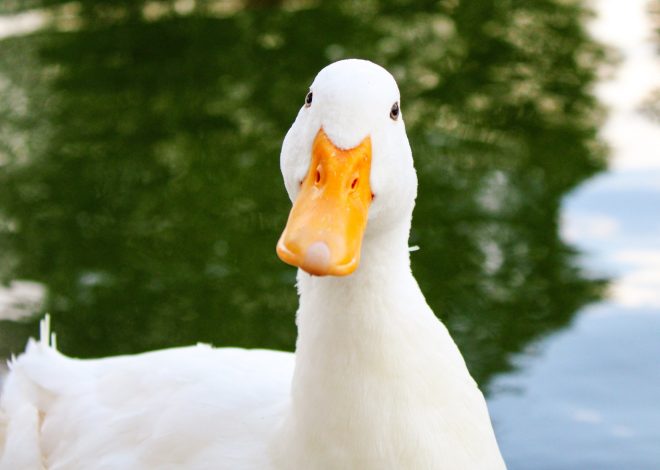
2. Pekin — The Friendly Giant
Pekins are calm, easy to manage, and well-suited for backyard environments. Temperament: Friendly, calm, and good-natured — docile and making great pets. Egg Production: Moderate layers, producing around 150 to 200 eggs per year. Size: Large and sturdy, weighing 8 to 11 lbs.
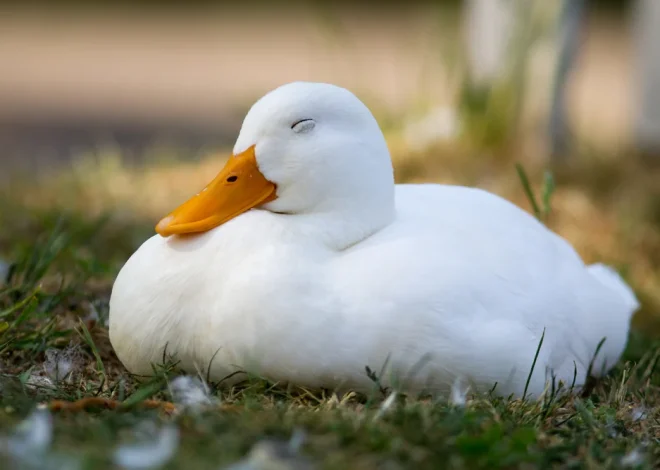
The Pekin is the most immediately recognizable domestic duck in the world — large, white, yellow-billed — and their temperament is as broadly appealing as their appearance. They are the most commonly recommended beginner breed for families with children, specifically because of their calm, tolerant nature that makes handling natural rather than stressful.
Their size is their primary management consideration. Pekins require slightly more space than lighter breeds, consume more feed, and produce more waste per bird. They are also more vulnerable to overheating in very hot climates due to their size and the insulating white feathers that reflect light but reduce heat dissipation. Shade and cool water are essential summer management tools for Pekins in warm climates.
Best for: Families with children. Keepers who want friendly, handleable ducks. Anyone who wants the classic “duck” look in their backyard.
Not ideal for: Very hot climates without excellent shade infrastructure. Keepers who want maximum egg production per bird.
3. Welsh Harlequin — The Beautiful High Achiever
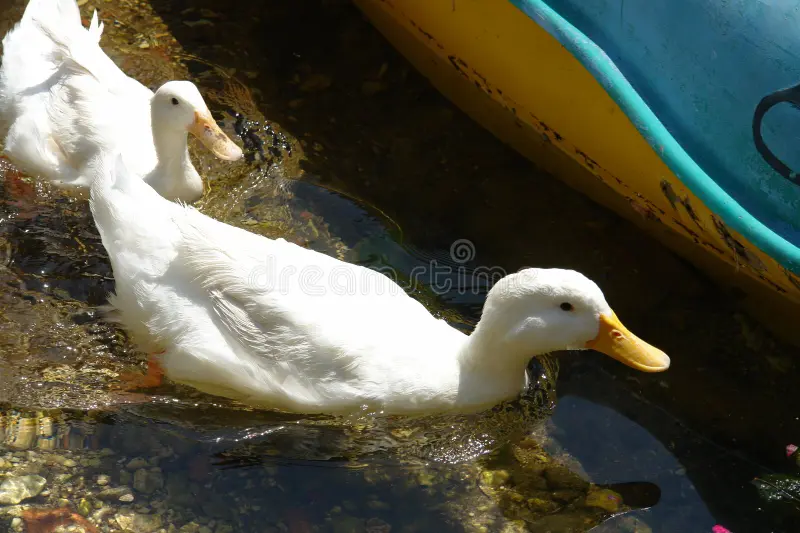
Welsh Harlequins are gentle, social, and excellent layers. Hardy in a variety of climates, they are easy to care for and a reliable choice for new duck owners. Personality: Gentle, social, and playful. Egg Production: 250 to 300 eggs per year.
The Welsh Harlequin combines egg production numbers that rival the Khaki Campbell with a temperament that is significantly more relaxed and handleable. Their plumage — a complex, beautiful pattern of silver, cream, copper, and brown — makes them one of the most aesthetically compelling breeds available for a backyard flock.
They are also auto-sexing at hatch with reasonable reliability — male and female ducklings can be distinguished by bill color at hatch (females have darker bills), which simplifies flock composition decisions significantly compared to breeds where sexing requires waiting for adult plumage.
Best for: Keepers who want both high egg production and genuine beauty in their flock. Those who want friendly, manageable birds without sacrificing productivity.
Not ideal for: There are genuinely very few downsides. This breed is difficult to criticize. Availability from hatcheries can be slightly more limited than Pekins or Campbells.
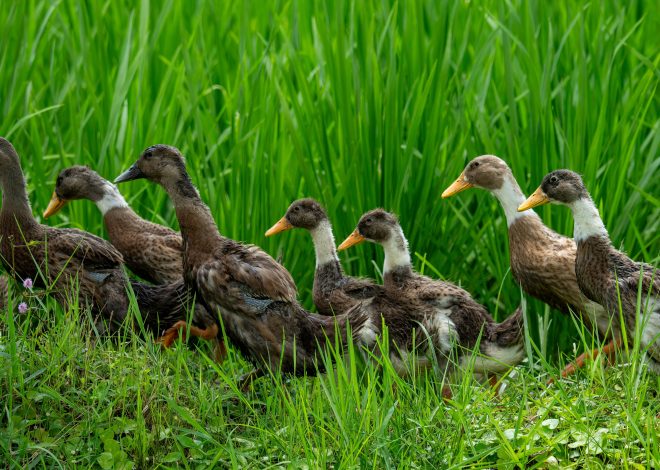
4. Indian Runner — The Eccentric Entertainer
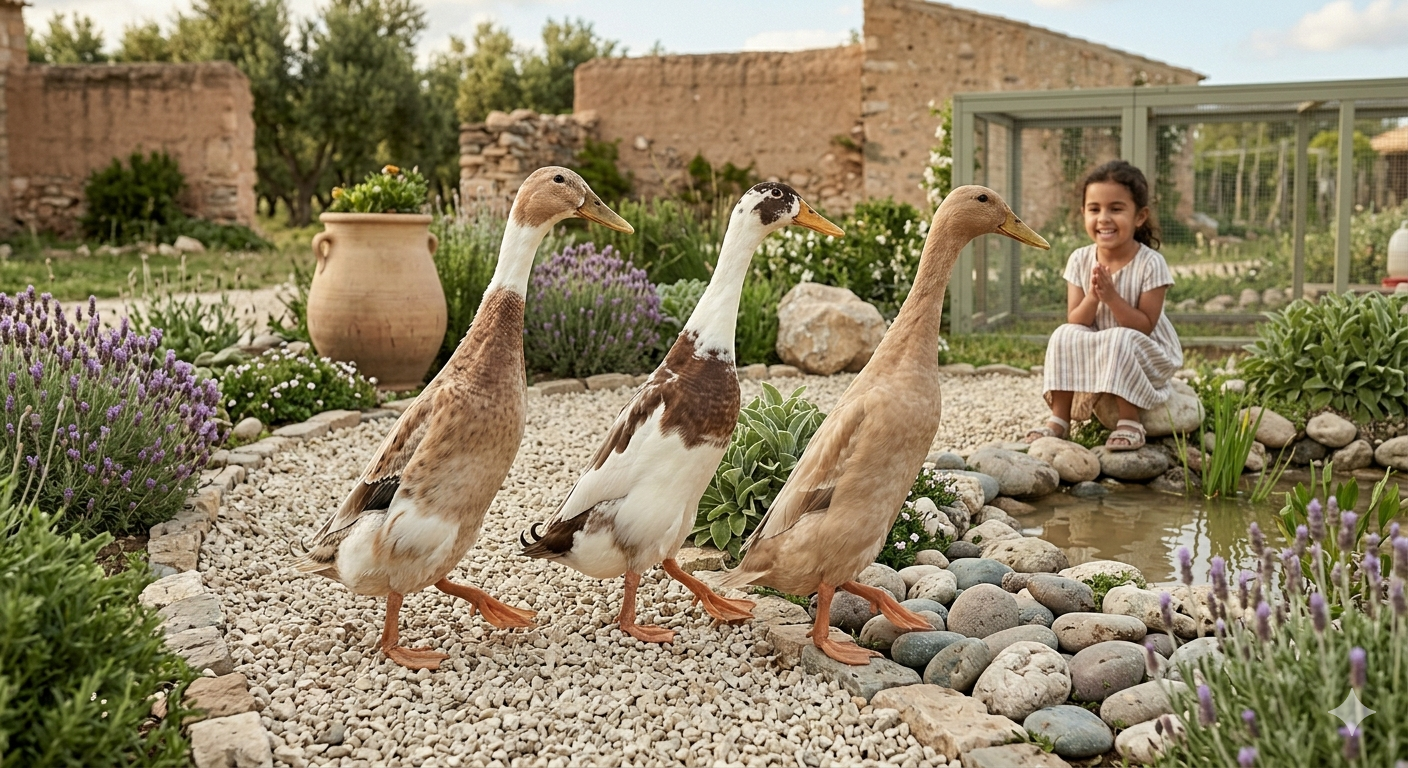
Indian Runners are prolific egg layers, with 200 to 300 eggs per year. They are very active, alert, and skittish but fun to watch. They are not lap ducks but are friendly. Size: Light and upright, around 3 to 5 lbs. They stand tall like penguins and come in a variety of colors, including white, fawn, and black. Great foragers, and the females are known to be good broodies.
The Indian Runner is the duck that makes people stop and look twice. Their upright posture — nearly vertical, unlike the horizontal body angle of most domestic ducks — gives them a locomotion style that is genuinely unlike any other domestic bird and that produces a visual spectacle that is one of the most reliably entertaining things in backyard duck keeping.
They are fast, active, and exceptional foragers — their energy and mobility make them the most effective pest controllers of any duck breed available to backyard keepers. They are also the least likely to develop the “please hold me” temperament of heavier breeds. Runners are not lap ducks. They are entertainment ducks, productivity ducks, and garden-management ducks.
Best for: Garden pest control. Keepers who want visual entertainment value. High egg production in a lighter, more active package.
Not ideal for: Children who want to hold their ducks. Confined spaces where the Runner’s energy has nowhere to go.
5. Muscovy — The Quiet Independent
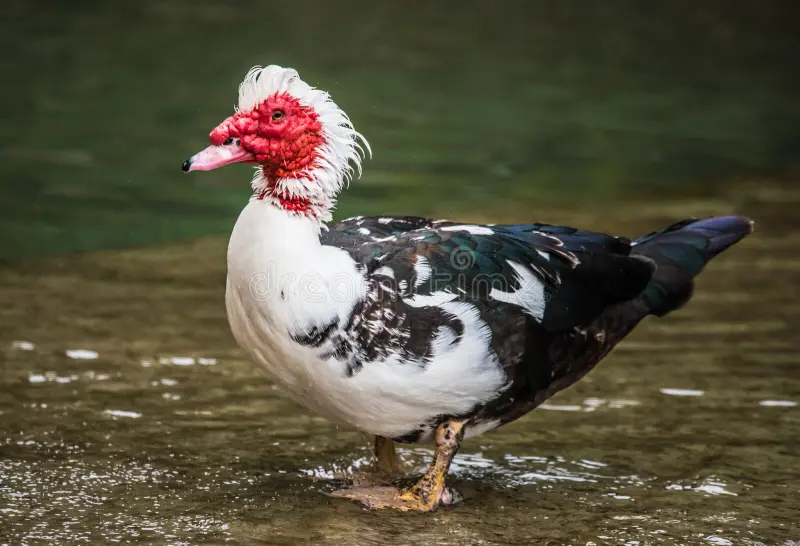
Muscovies are quieter than most duck breeds, ideal for suburban or urban settings. They are hardy, low-maintenance, and adaptable. Personality: Calm, independent, sometimes aloof, but still friendly. Egg Production: 150 to 250 eggs per year.
The Muscovy is technically a separate species from true domestic ducks — they are the only domestic waterfowl not descended from the Mallard. This separate ancestry produces several distinctive characteristics: they do not quack (they hiss), many can fly well, they have bare red caruncle facial skin rather than the feathered face of other breeds, and they are significantly more independent in temperament.
Their vocalizations are often quieter than the carrying quack of many female mallard-derived ducks, but they still require legal approval, adequate space, sanitation, and secure overhead containment. Muscovies are regulated differently in some locations, so check wildlife and municipal rules before obtaining them.
Best for: Urban and suburban settings where noise is a genuine constraint. Keepers who prefer more independent animals. Meat production alongside egg production.
Not ideal for: Keepers who want highly social, flock-oriented animals. Setups without covered enclosures — Muscovies fly effectively and require secure overhead coverage.
6. Cayuga — The Iridescent Black Beauty
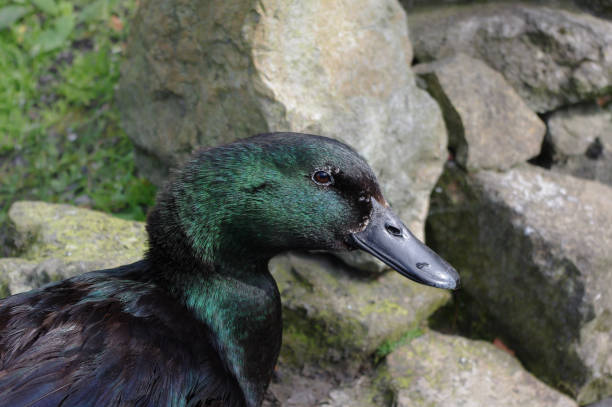
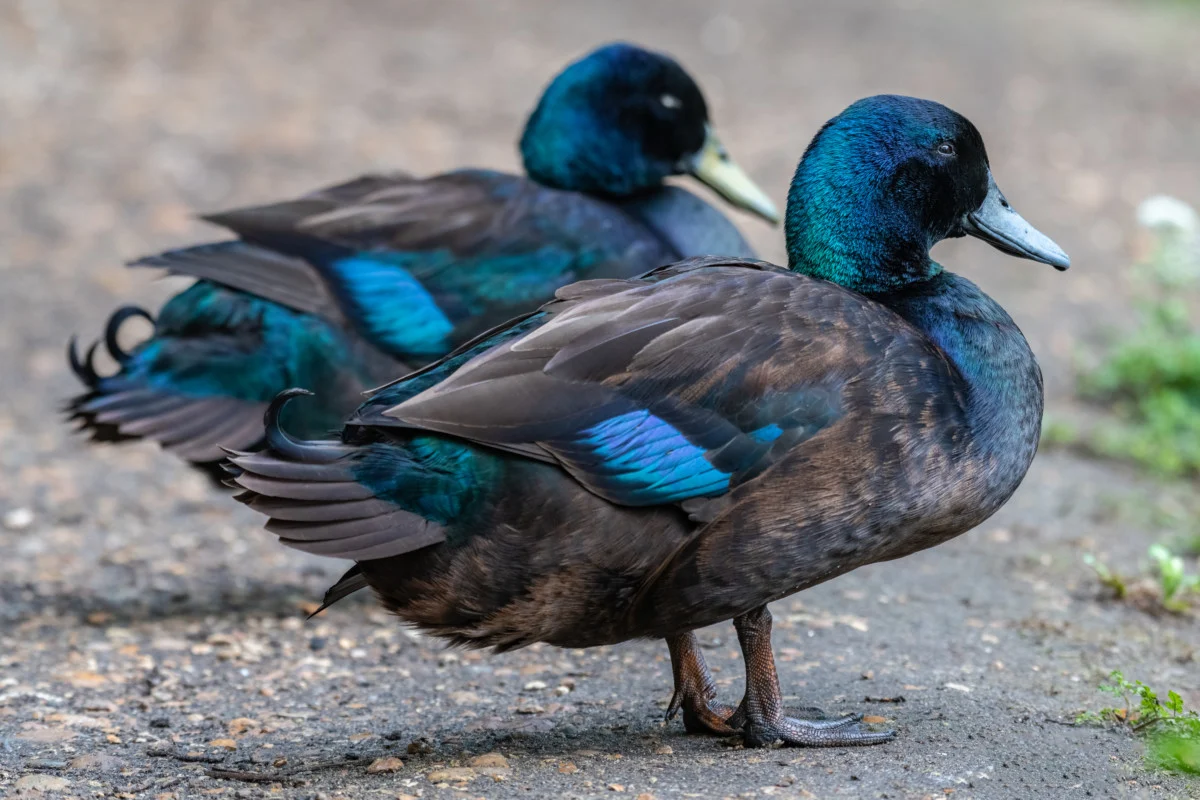
Cayugas are cold-hardy, easy to care for, and excellent foragers. Their glossy black feathers add beauty to any flock, and they are friendly and calm in temperament. Personality: Friendly, calm, and low-maintenance. Egg Production: 150 to 200 eggs per year.
The Cayuga is the most visually dramatic breed on this list — their black plumage has an iridescent green and purple sheen in direct sunlight that produces photographs of extraordinary striking quality. They are one of the few North American breeds developed domestically rather than imported from Europe or Asia.
Their laying rate is moderate rather than prolific, and their eggs have the distinctive characteristic of starting the laying season very dark — sometimes nearly black — and lightening through the season to gray and eventually white as laying continues. This color progression is unique to the breed and makes egg collection from Cayugas a genuine visual event.
Best for: Keepers who want the most visually distinctive flock. Cold climates where hardiness is a priority. Keepers who appreciate heritage breeds with American origins.
Not ideal for: Maximum egg production as the primary goal. Keepers who want uniformly colored eggs.
7. Rouen — The Beautiful Heritage Breed
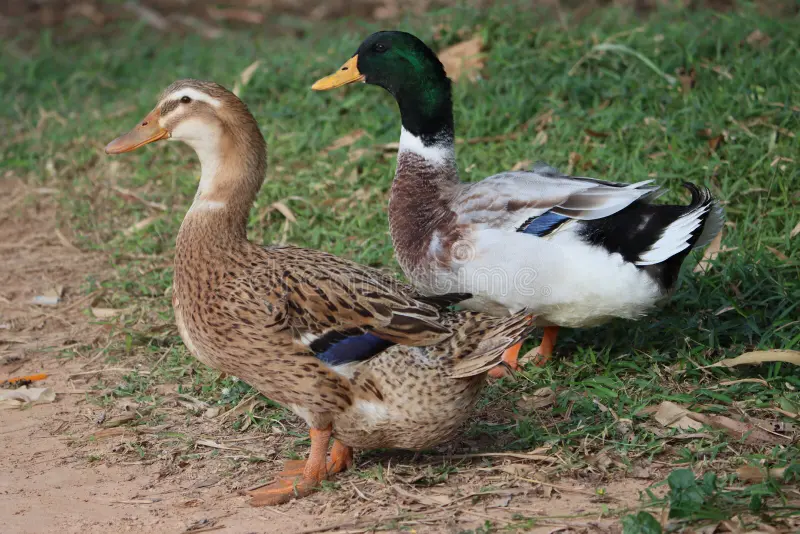
The Rouen is the most visually similar domestic breed to the wild Mallard — the males carry the classic Mallard green head, white neck ring, chestnut chest, and gray body that the wild bird is recognized by worldwide. Females carry the classic brown streaked Mallard coloring. They are larger and heavier than wild Mallards, slower moving, and incapable of sustained flight.
They are a heritage breed with a relaxed temperament that makes them excellent backyard ducks for keepers who want the visual beauty of a wild duck in a managed backyard context. Their egg production is lower than most breeds on this list, but their appearance produces photographs of such quality that many keepers choose Rouens specifically for aesthetic reasons.
Best for: Keepers who love the Mallard aesthetic. Dual-purpose setups combine some egg production with visual beauty. Pond setups where the Mallard coloring produces extraordinary photographs.
Not ideal for: Maximum egg production. Keepers who want a flock that is distinctly different from wild ducks.
8. Call Duck — The Miniature Companion
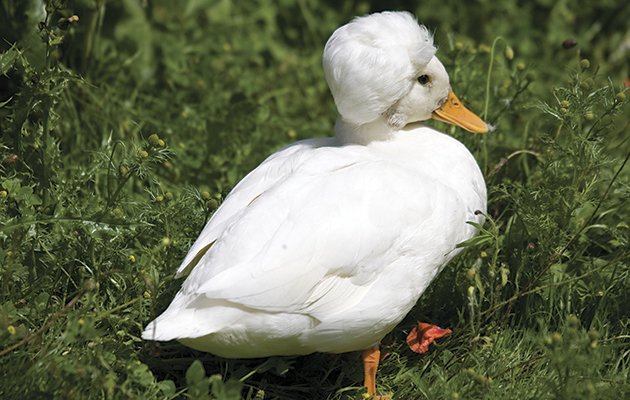
Call Ducks are the smallest domestic duck breed — weighing one to two pounds fully grown — and were originally bred for use as decoys in waterfowl hunting. Today they are kept primarily as ornamental and companion animals, and their extreme smallness combined with their loud, high-pitched call and their bold, curious personality produces a duck that is equal parts charming and attention-commanding.
They are not primarily productivity birds — their egg production is low, and their size makes them impractical for meat. What they offer is a duck experience in the smallest possible package: a compact, personable, visually beautiful miniature duck that fits in spaces where larger breeds cannot be appropriately kept.
Call ducks are small but often loud, active, and capable of flight, so a small body does not make them automatically suitable for a small urban yard. They need secure overhead containment, companionship, clean water, and the same welfare planning as larger ducks.
Best for: Experienced keepers who want ornamental companion ducks and can provide a secure enclosure while accommodating their loud calls.
Not ideal for: Egg or meat production as primary goals. Keepers who want a quieter flock — Call Ducks are paradoxically the loudest duck breed per pound of body weight in existence.
Match the Breed to the Whole Setup
The right breed changes the entire experience of duck keeping. The wrong one creates a mismatch between what you wanted and what you have that no amount of good management fully resolves. Take the time to match breed to purpose, space, climate, and your honest assessment of what kind of relationship you want with your flock.
Save this to Pinterest, share it with anyone who is on the verge of the breed decision, and remember: you can always add more breeds later. Starting with the right one for right now is the only decision that truly matters.
Sources and further reading
- Extension Foundation: Selecting a duck breed for a small flock
- Cornell Duck Research Laboratory: Duck housing and management
Continue Exploring Your Backyard Flock
Use these closely related guides to plan your next steps:
2 thoughts on “8 Best Duck Breeds for Beginners — And How to Choose the Right One for Your Flock”
Comments are closed.